
Coastal Canary Life
The Hidden Beaches of the Canary Islands
The wild coves, black-sand bays and end-of-the-road beaches you won’t see from a resort sunbed — and exactly how to reach them, island by island, without getting it wrong.
Why this guide exists
Living in the Canaries, you learn quickly that the postcard beaches and the best beaches are rarely the same thing. The ones that stay with you are usually harder to reach: a black-sand bay at the end of a dirt track, a cove you have to walk ninety minutes to find, a beach so wild the only sound is the Atlantic.
This guide is my honest shortlist of those places, across the seven main islands plus little La Graciosa — with the real names, how to actually get there, and where you genuinely need to be careful. No fences, no kiosks, no crowds. Just the islands at their most raw.
Before you go
Read this first — it matters
Most of these beaches have no lifeguard, no shade and no facilities, and several — Güigüí, Cofete, Benijo — have powerful currents and surf that catch people out every year. Treat the ocean with respect: check conditions, don’t swim alone where it’s wild, and when in doubt, admire from the sand. The reward of these places is the wildness; the price is that nobody is coming to help you quickly.
You’ll need a car — and sometimes a 4×4
None of these are a short bus ride from your hotel. A rental car is the bare minimum; for Cofete you really want a 4×4 (or the seasonal local bus). Pick the car up at the airport and the whole coast opens up.
Compare car & 4×4 rental →Flying in? Fares to the islands swing a lot — it pays to check early. Check flight prices →
What I’d bring
For beaches with nothing on them, a little kit makes the difference between a great day and a rough one.
- Plenty of water — there’s nowhere to buy any
- Sun cover: hat, high-factor cream, a shade if you can
- Proper shoes for the hikes / rocky descents
- A windproof layer (the coast is breezy)
- Snacks or a picnic
- A bag for your rubbish — leave no trace
The hidden beaches, island by island
Pick one, give it a whole day, and don’t rush. Here’s where I’d send a friend on each island.
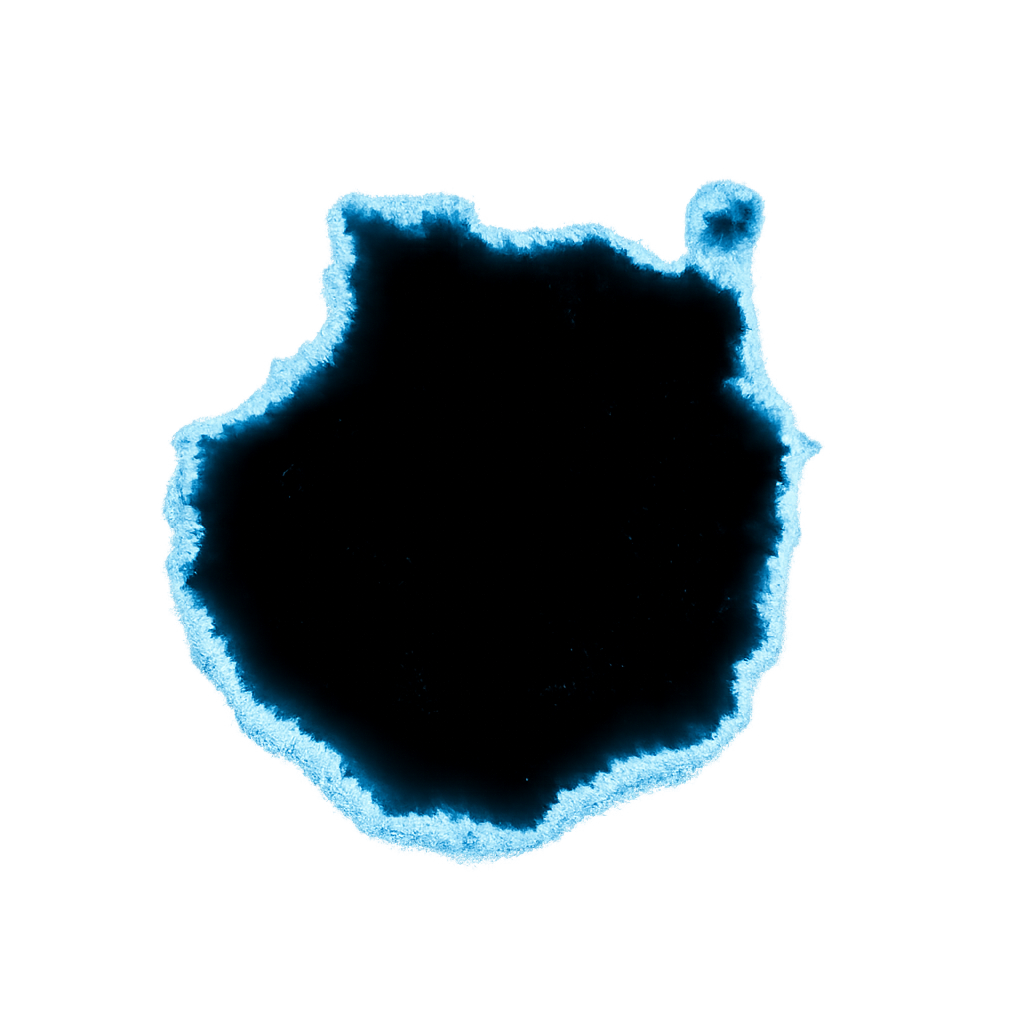
Playa de Güigüí — Gran Canaria
On the wild west coast, inside its own nature reserve, Güigüí is the island’s legend: black sand and total silence between sheer cliffs. You earn it — either a steep 1.5–3 hour hike from the village of Tasartico, or a water taxi / boat from Puerto de Mogán or Puerto Rico (around €20 per person). The smaller beach, Güigüí Chico, is only reachable at low tide. The currents are strong, so be cautious in the water — but the sunset here is pure goosebumps.
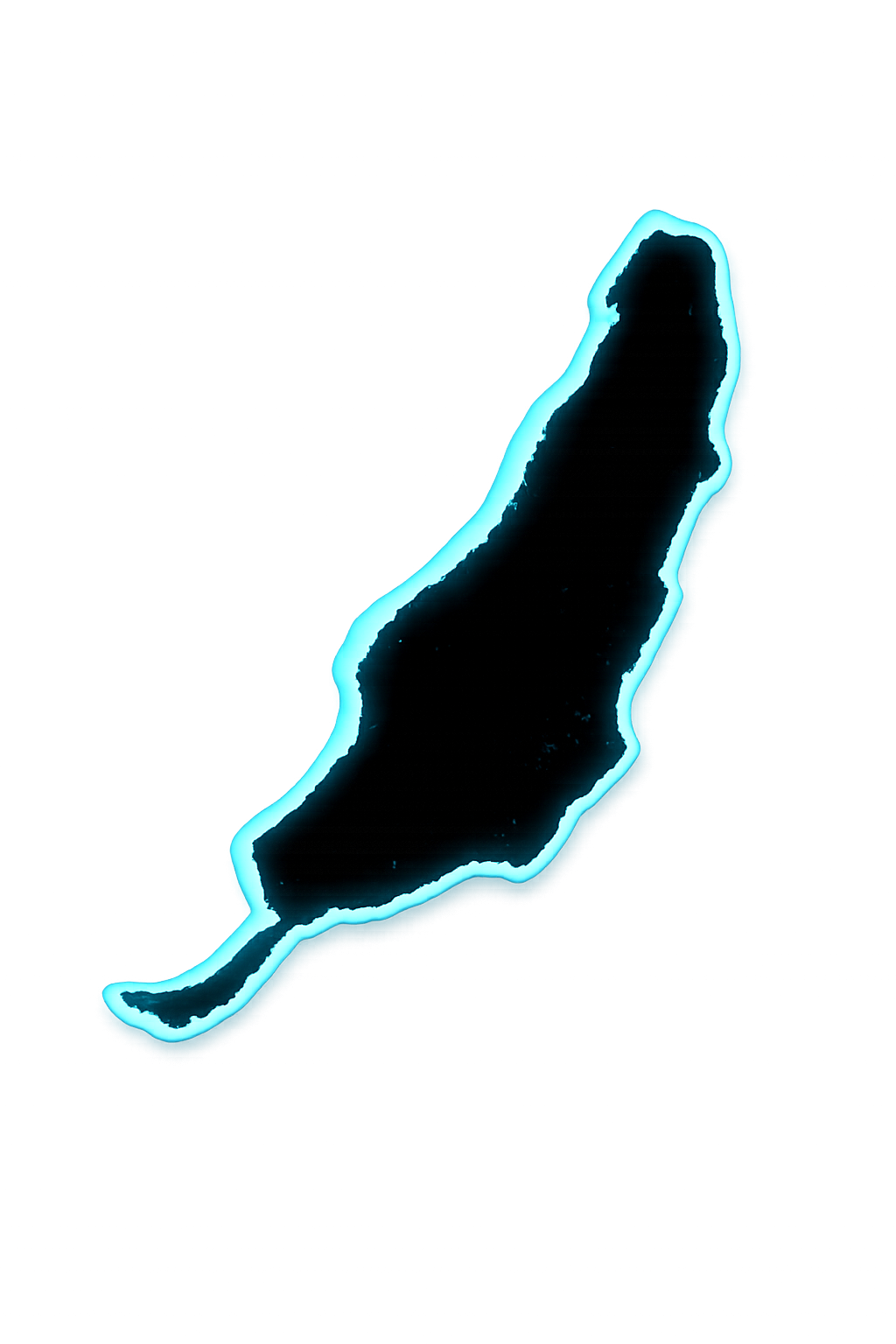
Playa de Cofete — Fuerteventura
Twelve kilometres of untamed golden sand under the Jandía mountains, at what feels like the edge of the world. The adventure is the access: a long, dusty unpaved track from Morro Jable that really wants a 4×4 (there’s also a seasonal local bus). The mysterious Villa Winter sits above it. Be warned — the surf and currents here are genuinely dangerous for swimming, and there’s no shade and fierce wind. Go for the wildness, not the swim.
Playa de Benijo — Tenerife
In the green, misty Anaga hills of the north: dramatic black sand framed by the Roques sea-stacks. A winding drive through Anaga to Almáciga, then a short steep path down. It’s one of the great sunset spots in the Canaries — but the waves and currents are powerful, so it’s better for watching the Atlantic than fighting it.
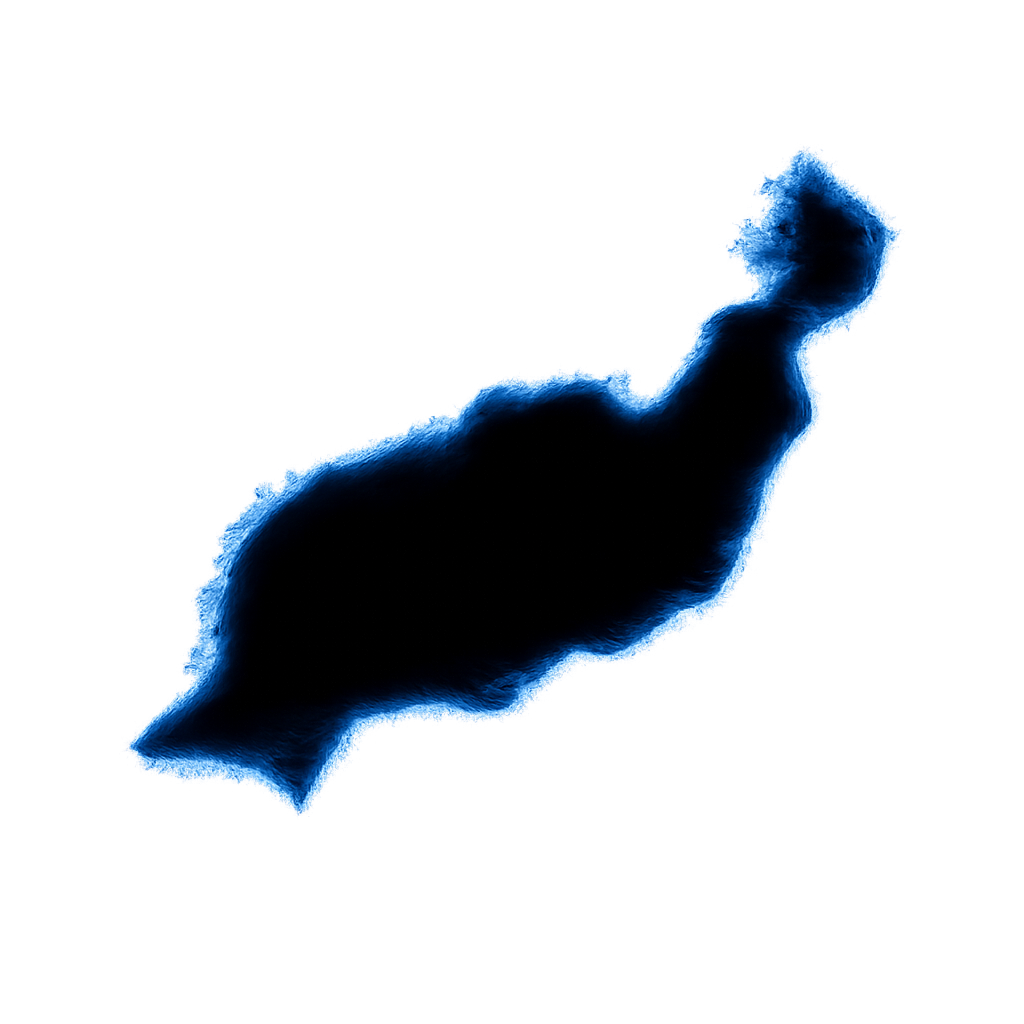
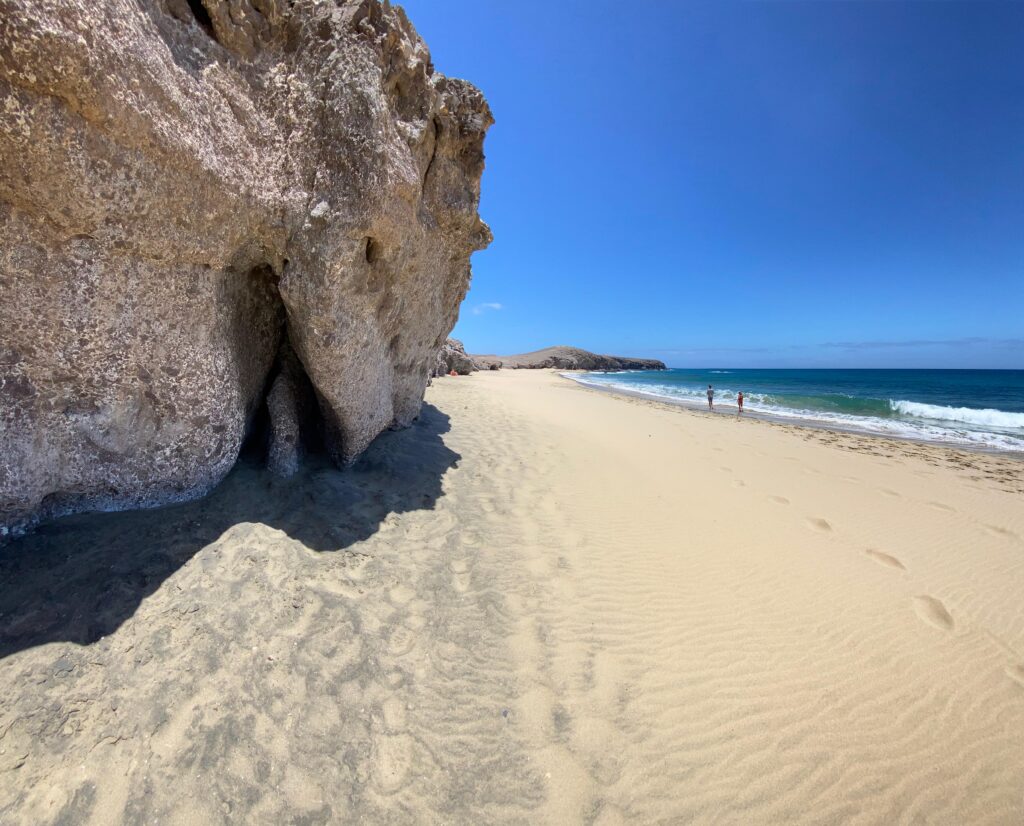
Playa de Papagayo — Lanzarote
The most “reachable” of the wild ones: a cluster of turquoise coves inside the Los Ajaches reserve, down a gravel track in the south. It feels secluded and the water is calm and clear — one of the rare hidden beaches here that’s genuinely great for swimming and snorkelling. Go early; the track and small car park fill up.
Playa del Verodal — El Hierro
On the island almost nobody visits, a beach with red volcanic sand glowing against deep blue water. Remote, raw and quiet. The sea can be rough, so swim only when it’s calm.
Playa de Nogales — La Palma
A wide sweep of black sand and pebbles below tall green cliffs, reached by a path and steps. Wild and beautiful, with strong waves — a place to walk, breathe and take photos more than to splash about.
Also worth the effort: Playa del Águila on La Gomera (a steep hike to a black-rock cove), and Playa de las Conchas on tiny La Graciosa — stunning, but with currents so strong that swimming isn’t safe.
Things I wish I knew before going
- “Beach time” here means a half-day minimum once you add the drive and walk.
- Tides matter — some coves (like Güigüí Chico) only appear at low tide.
- The wind is stronger on the coast than the forecast suggests.
- Mobile signal vanishes at most of these — download offline maps.
- Take everything out with you. These places stay pristine because people do.
- Tell someone your plan if you’re hiking to a remote one alone.
Where I’d stay
Wild beaches are easier as day trips from a comfortable base. I’d pick a central, quiet spot on whichever island you’re focusing on, rather than a big resort strip.
Hotels & boutique stays
Handpicked stays across all the islands, from design hotels to simple local bases.
Browse hotels →Villas & apartments
My honest preference for a beach trip: a quiet villa or apartment with space and a slower pace.
Find villas & rentals →Easier ways to reach the wild coast
Don’t fancy the hike or the 4×4 track? Some of the most spectacular hidden coastline is reachable by boat or guided trip.
Gran Canaria — sunset wild-coast tour
Cliffs and natural pools along the west coast, finishing at sunset — the dramatic side of the island.
See the tour →Gran Canaria — off-road jeep safari
Reach backcountry beaches and ravines you can’t get to in a normal hire car.
See the safari →Fuerteventura — Ajuy caves & hidden arch
A guided hike to the sea caves and the secret Las Peñitas arch on the wild west coast.
See the hike →Hopping between islands for beaches?
Many of these are on different islands — and the ferries make it easy to chase a few across a single trip without flying.
Inter-island ferry tickets →My favourite kind of moment
The best beach days I’ve had here didn’t involve a beach bar or a sunbed. They were the ones where you walk over a ridge, the bay opens up below you, and there’s nobody. Just sand, the wind, and the sea doing its thing. That feeling — earned, quiet, a little wild — is what these places give you.
Final thoughts
The resorts have their place. But the Canaries people fall in love with are out at the end of the dirt tracks and the cliff paths. Choose one beach, give it a whole day, respect the ocean, and let it be the highlight of the trip.
Some links on this page are affiliate links: if you book through them it costs you nothing extra, and it helps keep Coastal Canary Life independent. I only point you toward things I’d genuinely suggest to a friend. Sea conditions, tides and access can change — always check locally and put your safety first.