Coastal Canary Life
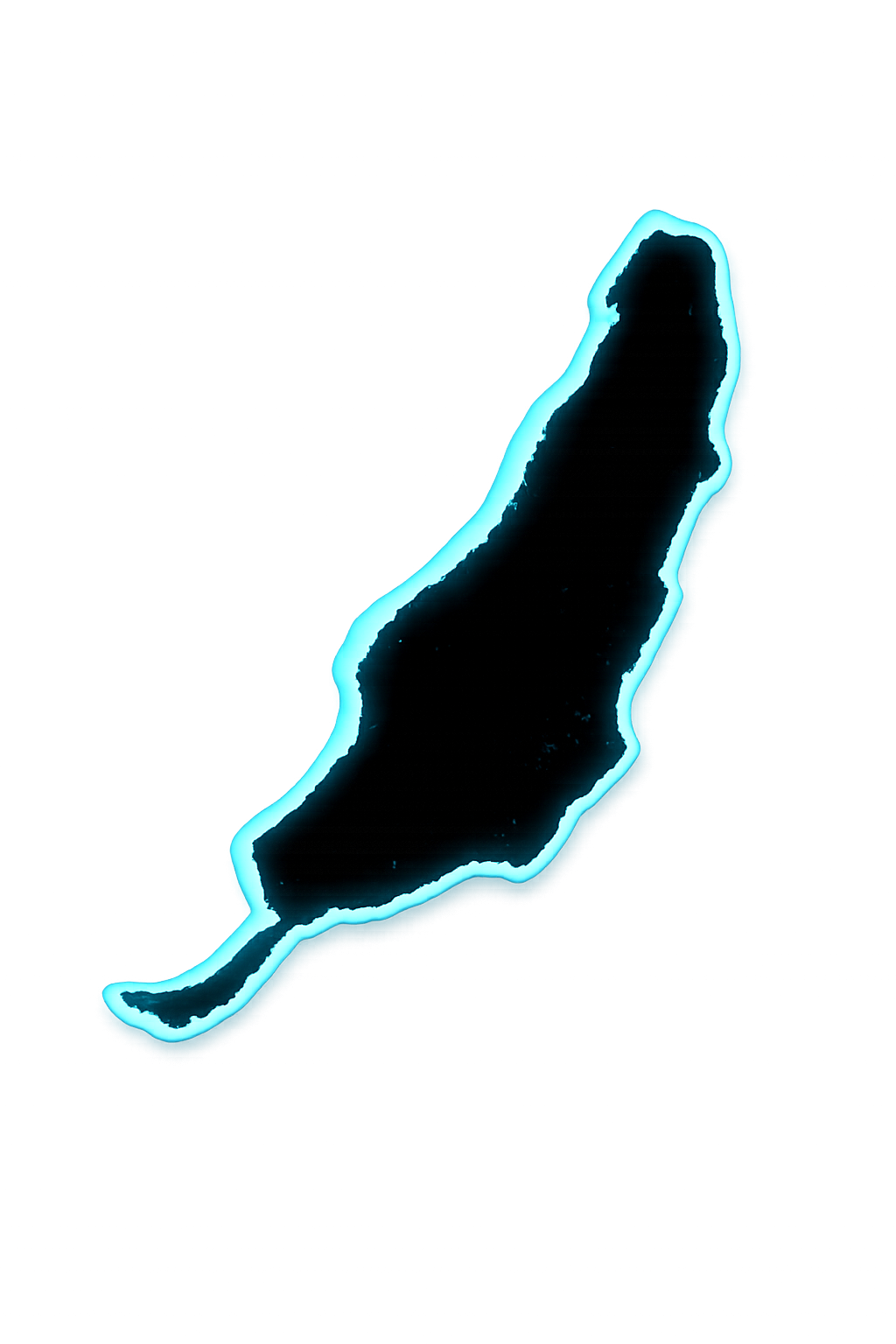
Lanzarote
Volcanoes, vineyards and the vision of one artist.
Everything Lanzarote in one place. Where to stay, the experiences worth booking, the best beaches and volcanic trails — your starting point for the whole island, from someone who lives in the Canaries.
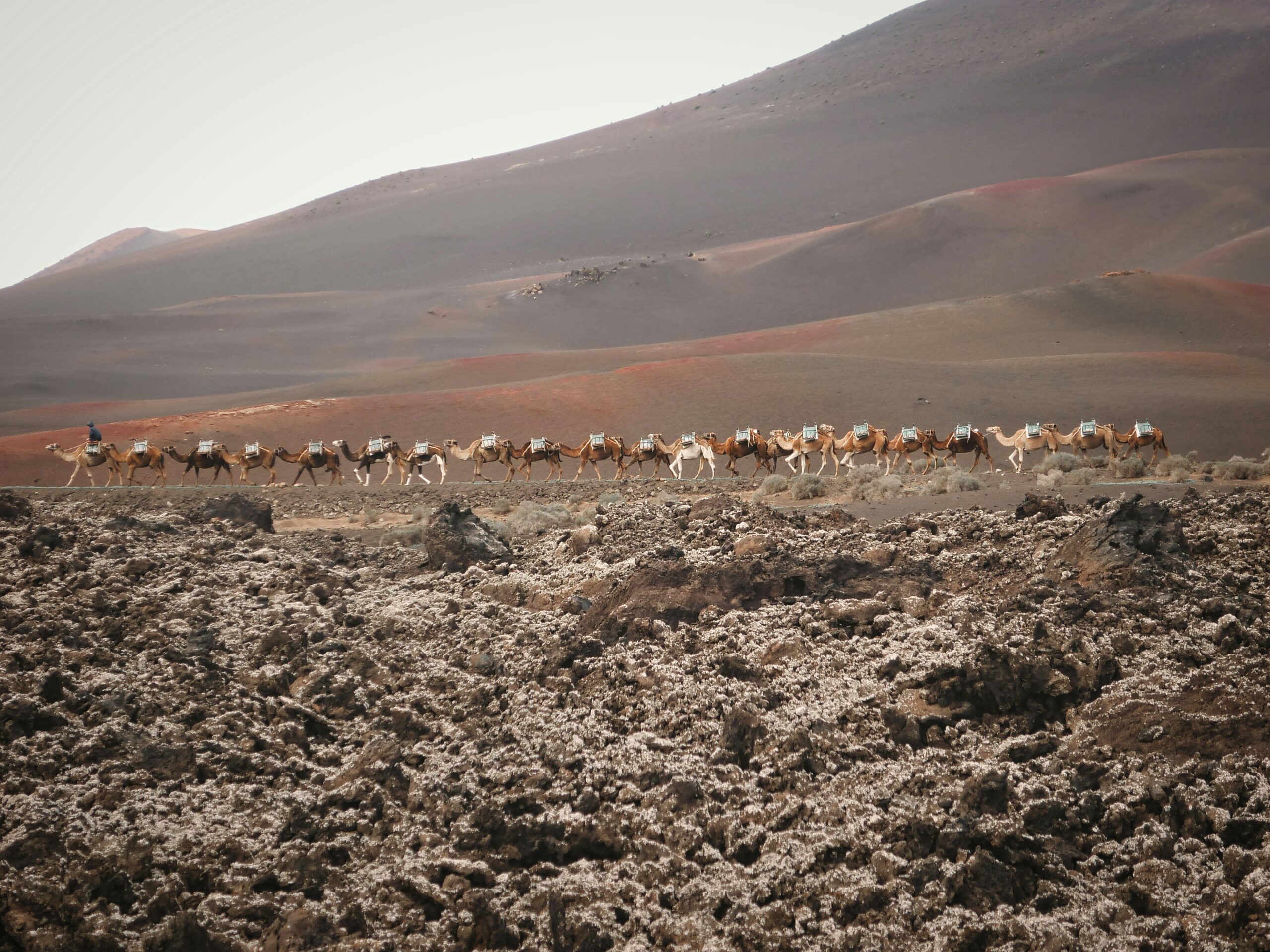
Lanzarote looks like nowhere else in the Canaries: black lava fields, whitewashed villages with no high-rises in sight, and the artist César Manrique’s touch on almost everything you’ll see. Timanfaya still steams, vines grow straight out of volcanic ash, and the beaches range from golden coves to wild Atlantic surf. It’s an island that surprises almost everyone — people arrive expecting a simple beach holiday and leave talking about volcanoes, wine and light. Pick a starting point below, and let the island do the rest.
What makes Lanzarote special is how much variety it packs into such a small space. In a single day you can stand on the rim of a crater that last erupted in the 1730s, taste a crisp volcanic wine grown in pits of black ash, swim in a sheltered turquoise cove, and watch the sun drop behind cliffs that fall straight into the sea. Nothing is more than an hour’s drive away, which makes it one of the easiest islands in the world to explore at your own pace.
Start here
Why visit Lanzarote?
Because there’s genuinely nowhere else like it. Lanzarote is a UNESCO Biosphere Reserve, and you feel why the moment you land: this is an island that decided, decades ago, to protect its own strange beauty instead of covering it in concrete. You won’t find towering hotels or flashing billboards here — just low white villages, black volcanic earth, and a quiet, almost designed sense of calm that came from one man’s vision for the whole island.
It’s a place that works for almost everyone. Families love the calm southern beaches and the volcano experiences; couples come for the wine, the sunsets and the slow north; hikers get craters and cliffs; and anyone curious about art and landscape finds an island that feels like an open-air gallery. Add roughly 300 days of sunshine a year and short transfer times, and it’s easy to see why people keep coming back.
Good to know before you go
How many days do you need in Lanzarote?
Four to five days is the sweet spot: enough to see Timanfaya and the Manrique sites, spend a day or two on the beaches, explore the green north, and still have time to slow down. A week lets you add La Graciosa, the wine country and the hidden coves without rushing.
When is the best time to visit?
Lanzarote is a year-round destination. Spring and autumn are ideal — warm, calm and quieter. Summer is hot but tempered by the trade winds, and even winter stays mild and sunny, which is exactly why so many travellers escape here from December to March.
Do you need a car?
For the most part, yes. The island is small, but the best of it — the volcanoes, the wine valley, the northern villages and the hidden beaches — sits away from the bus routes. A hire car is the single thing that unlocks the real Lanzarote.
Is Lanzarote good for families?
Very. The sheltered south coast has calm, shallow beaches, and the volcanic sights, camel rides and boat trips are a hit with kids. It’s safe, easy to get around, and rarely overwhelming.
Go deeper
Full Lanzarote itineraries — coming soon
We’re putting together complete downloadable guides: ready-made day-by-day plans from 3 to 15 days, with the best route, where to sleep each night, the volcanoes, beaches and Manrique sites in order, GPS points and offline maps. Coming soon — they’re on the way.
Coming soonThe guides linked here may contain affiliate links: if you book or buy through them it costs you nothing extra and helps keep Coastal Canary Life independent. I only recommend things I’d genuinely use myself. Opening hours, permits and prices change — always check official sources before you go.