Coastal Canary Life
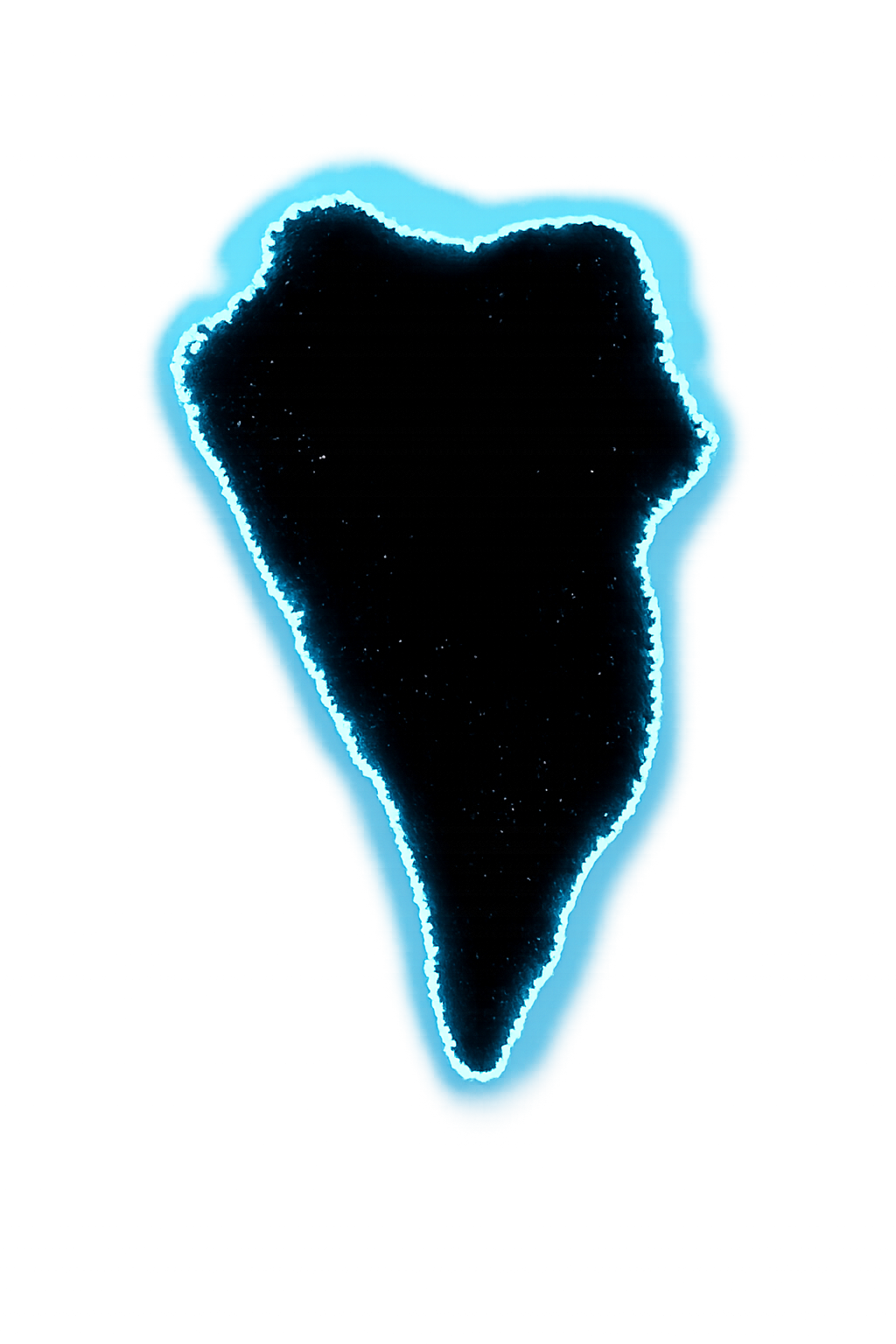
La Palma
La Isla Bonita — green ridges, volcanoes and the clearest skies in Europe.
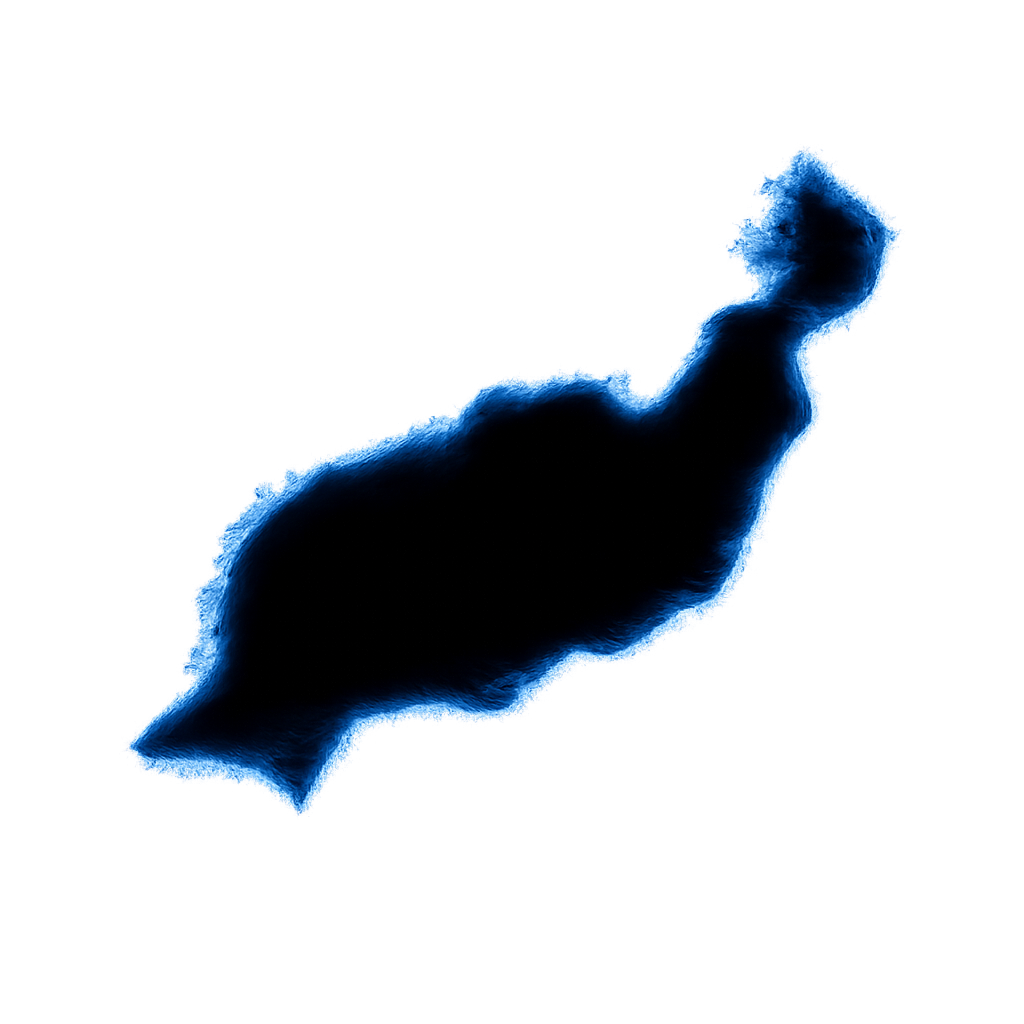
They call it La Isla Bonita for a reason. La Palma is the green, dramatic, vertical Canary: ancient laurel forests, the vast Caldera de Taburiente, fresh young volcanoes and some of the darkest, clearest night skies on the planet — the world’s first designated Starlight Reserve. Add black-sand beaches and barely any mass tourism, and you have a hiker’s and stargazer’s dream. I’ll be honest with you: this is one of the islands I know less intimately than my home turf — but as a canario, here’s the honest, practical lowdown to plan it well.
Why come to La Palma
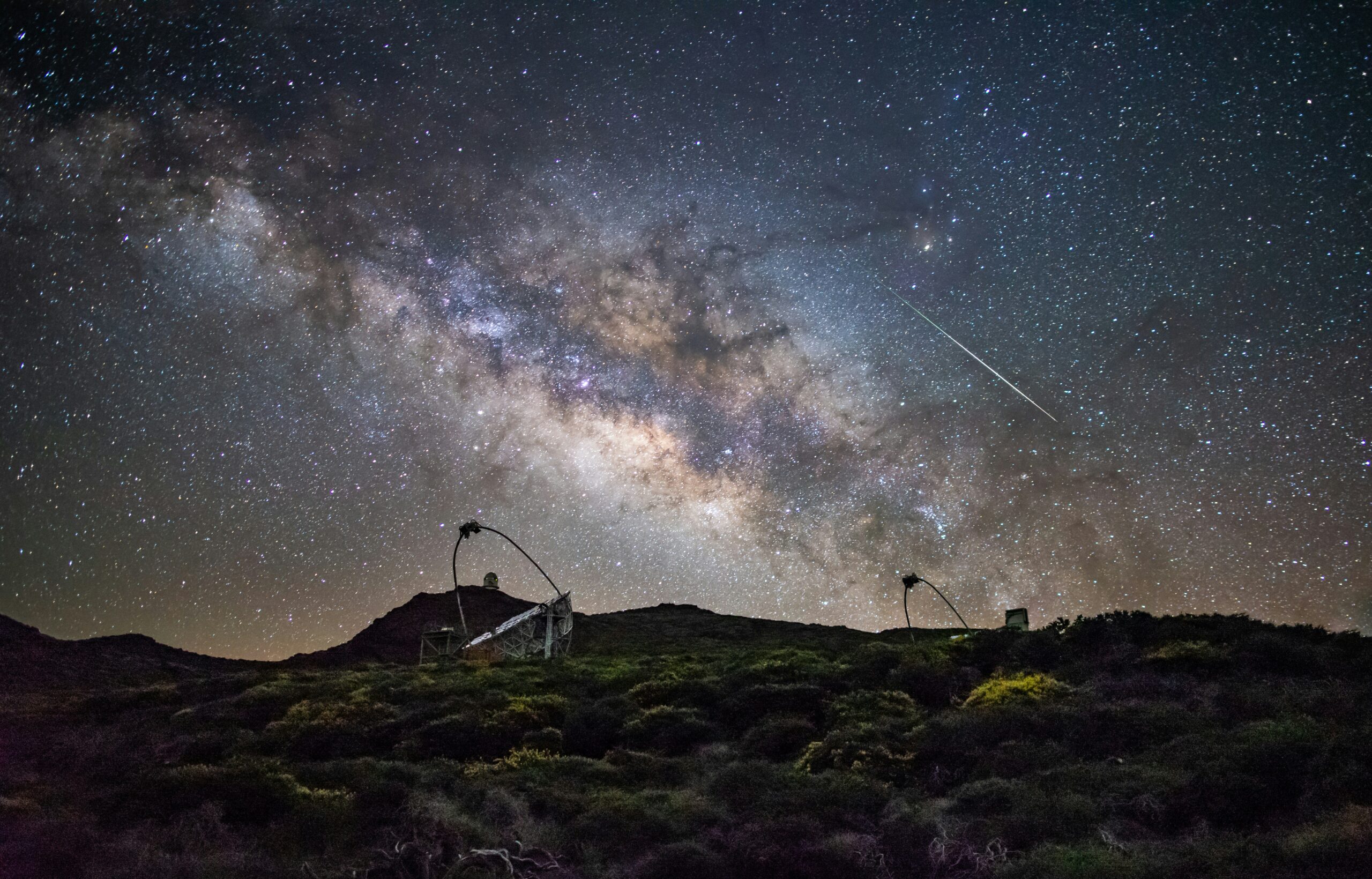
The best skies in Europe
The first Starlight Reserve on Earth, home to the Roque de los Muchachos Observatory at 2,426 m. On a clear night the Milky Way is breathtaking.
Arguably the best hiking
From the Ruta de los Volcanes ridge walk to the giant Caldera de Taburiente, this is a walker’s island through forest, crater and lava.
Living volcanoes
The 2021 Tajogaite eruption reshaped the south. You can now hike to see the fresh lava fields up close — a rare, powerful experience.
Green and uncrowded
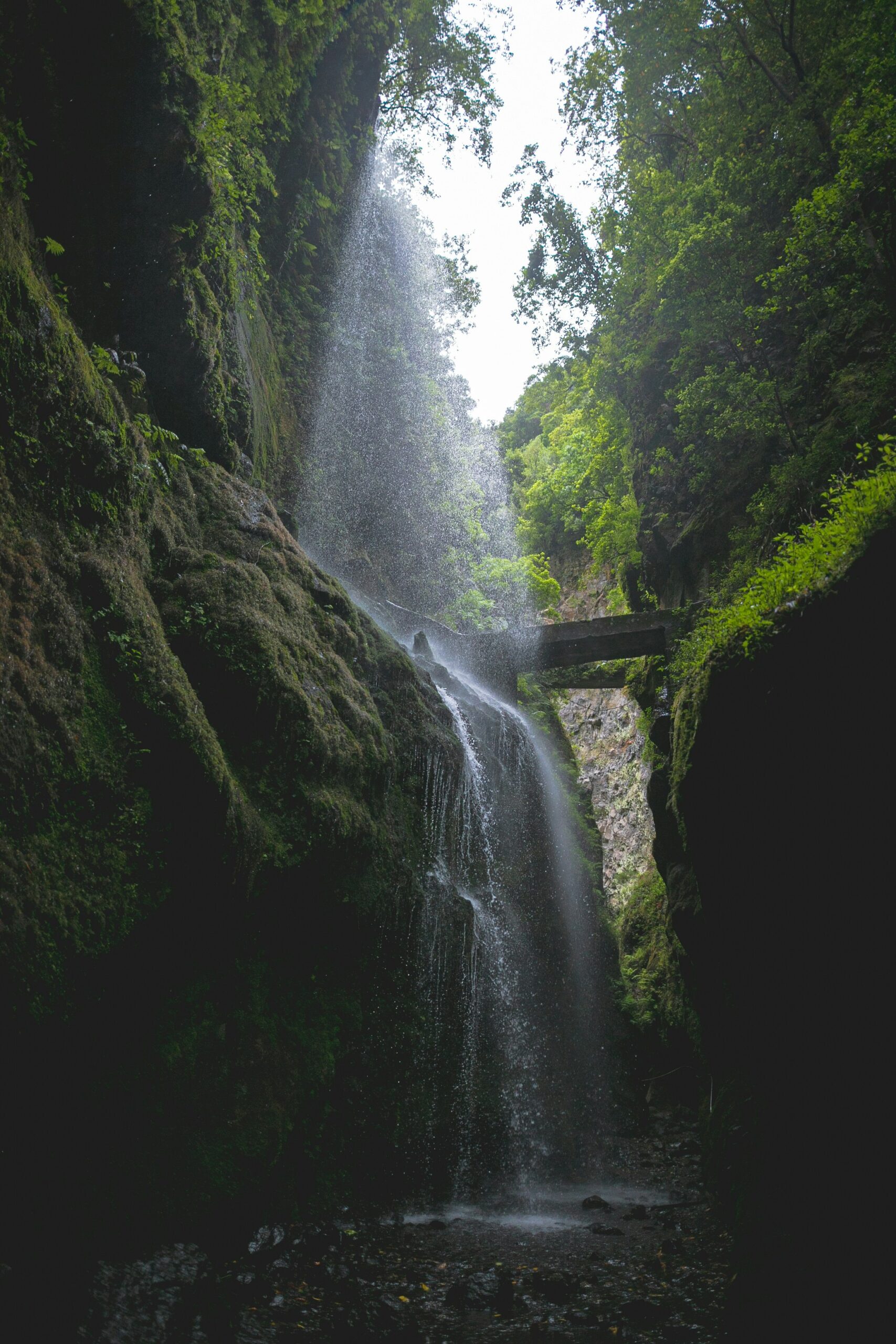
The greenest Canary, with laurel forests and banana country, and a fraction of the tourism of Tenerife or Gran Canaria.
Things to do
The experiences that make La Palma special — most are best booked ahead, especially the stargazing tours, which fill up fast.
Stargazing at Roque de los Muchachos
The island’s signature experience. Guided night tours take you high up the mountain with telescopes, near the world-famous observatory, for some of the clearest skies you’ll ever see.
Caldera de Taburiente
A vast volcanic crater ringed by 2,000 m walls and pine forest. Hike in along the Barranco de las Angustias to the Cascada de Colores, or take in the views from the Cumbrecita viewpoint.
The Tajogaite volcano route
Walk to the cones and steaming lava fields of the 2021 eruption in the south — a raw, moving look at how the island is still being born.
Volcanic caves & tubes
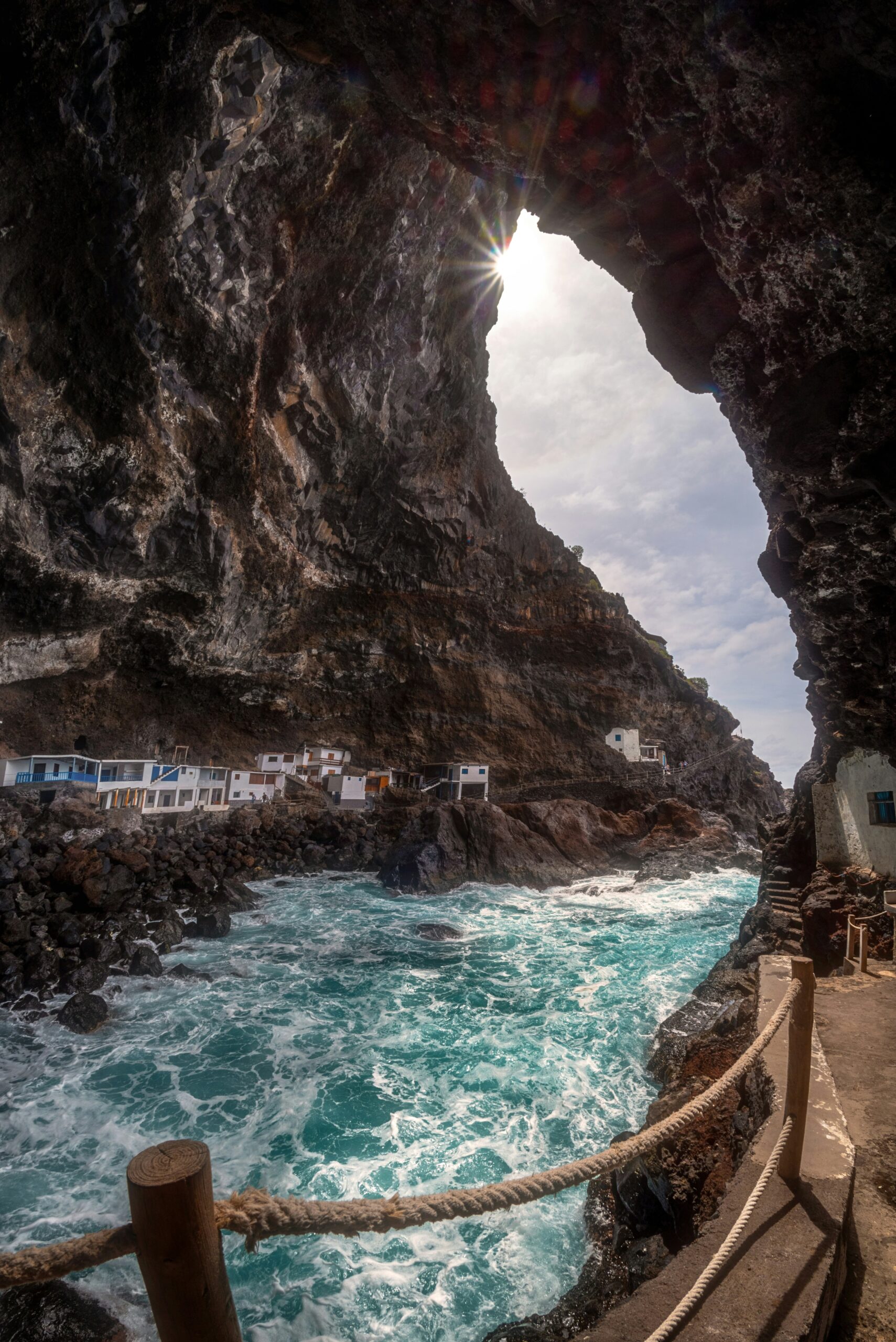
Explore lava tubes like the Cueva de las Palomas — underground tunnels carved by flowing lava, a fascinating window into the island’s volcanic heart.
Fuencaliente & the wine south
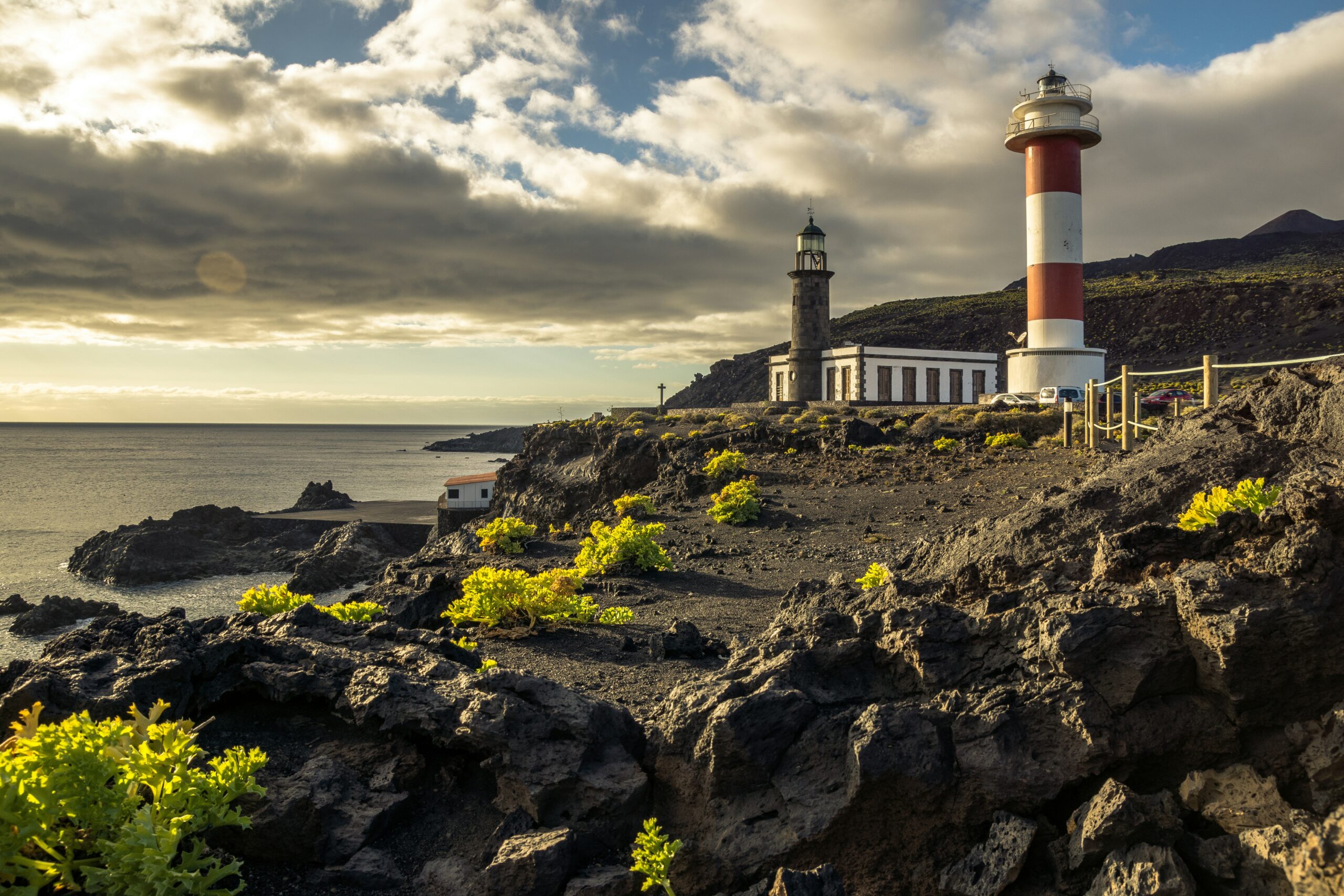
The volcanic south has salt flats, the San Antonio and Teneguía volcanoes, and the award-winning Bodegas Teneguía where you can taste wine grown in volcanic soil.
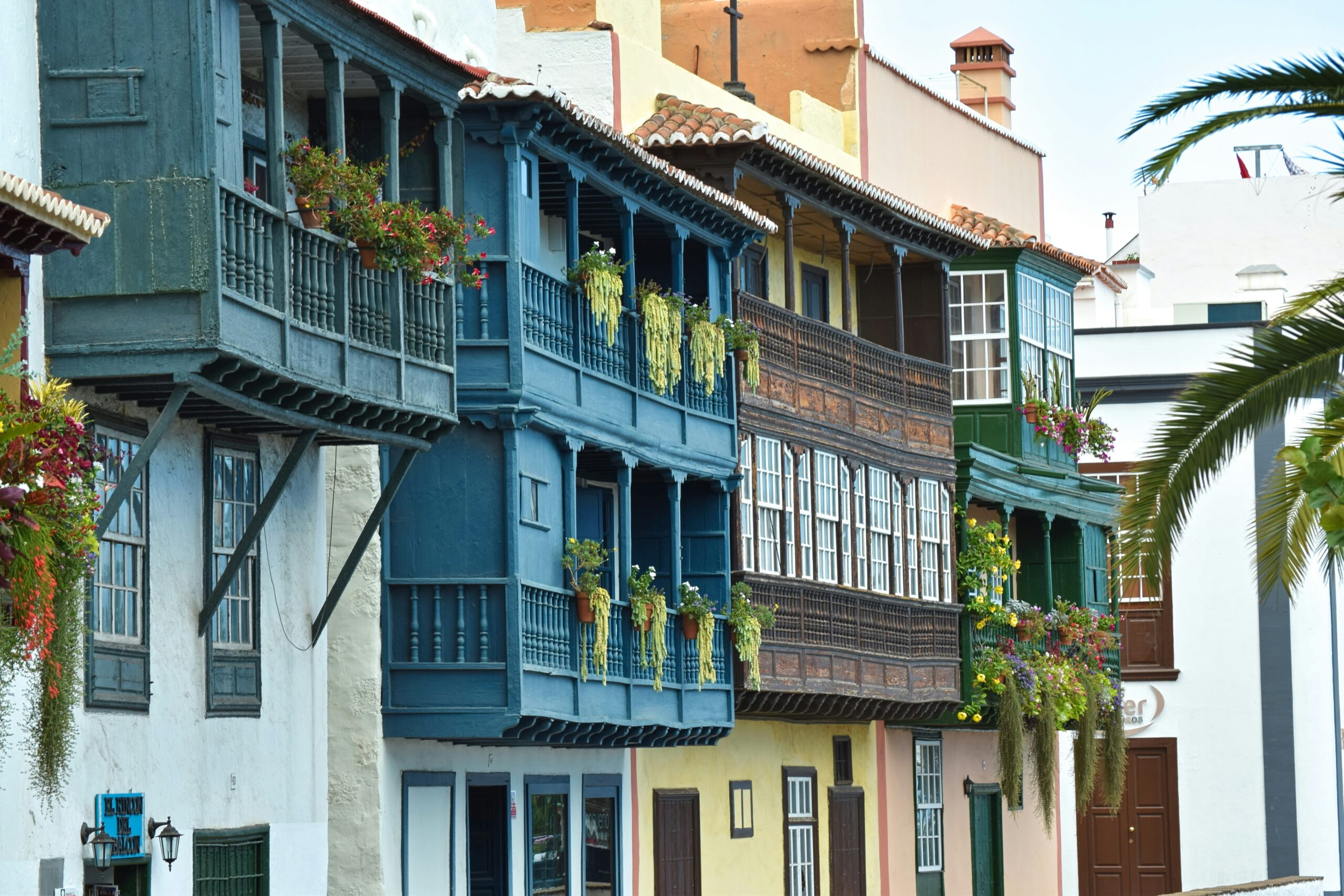
Santa Cruz de La Palma
One of the prettiest colonial towns in the Canaries — cobbled streets, balconied houses and a laid-back harbour capital worth a slow wander.
Book ahead
Book your La Palma experience
Real tours on the island, from stargazing to the Caldera — book with free cancellation.
Where to stay
La Palma is small and rural — pick a base and explore from there. The east (Santa Cruz, Los Cancajos) is handy for the airport and ferry; the west (El Paso, Los Llanos, Tazacorte) is sunnier and closer to the volcanoes and best stargazing.
Santa Cruz & Los Cancajos (East)
The capital and the main beach resort — convenient, lively-ish, close to the airport. Good first base.
El Paso & Los Llanos (West-Centre)
Central and sunny, the best base for the Caldera, the observatory road and dark-sky nights.
Tazacorte & the coast (West)
The warmest, sunniest corner, with black-sand beaches and a pretty port. Great for relaxing.
Rural casas
La Palma is famous for charming rural cottages (casas rurales) tucked in the green hills — the authentic way to stay.
How to get to La Palma
There’s no direct ferry-only route for most travellers — the two ways in are:
- Fly. La Palma airport (SPC) has direct flights from mainland Spain and some European cities, plus quick inter-island hops from Tenerife North and Gran Canaria with Binter and Canaryfly.
- Ferry. Naviera Armas and Fred Olsen run ferries from Tenerife (Los Cristianos) to Santa Cruz de La Palma — a scenic option if you’re island-hopping, though slower than flying.
La Palma FAQ
How many days do you need?
Four to five days is a good amount — enough for a couple of big hikes, a stargazing night, the Caldera and the volcanic south, without rushing. A week if you love walking.
When’s the best time to go?
La Palma is mild year-round. Spring and autumn are ideal for hiking. For stargazing, aim for nights around the new moon, when the sky is darkest.
Is it good for beaches?
It’s more a nature-and-hiking island than a beach one, but it has lovely black-sand spots like Charco Verde, Puerto Naos and the wild Nogales (mind the currents there).
Do you need a car?
Yes — to reach the trailheads, the observatory road and the scattered villages, a rental car makes all the difference on this vertical, winding island.
Keep exploring
Not sure La Palma is your island?
Compare all eight Canary Islands and find the one that fits your trip.
Compare the islands →Some links here are affiliate links: if you book through them it costs you nothing extra and helps keep Coastal Canary Life independent. Opening hours, ferry times, permits and prices change — always check official sources before you go.