Plan your trip · Uncovered
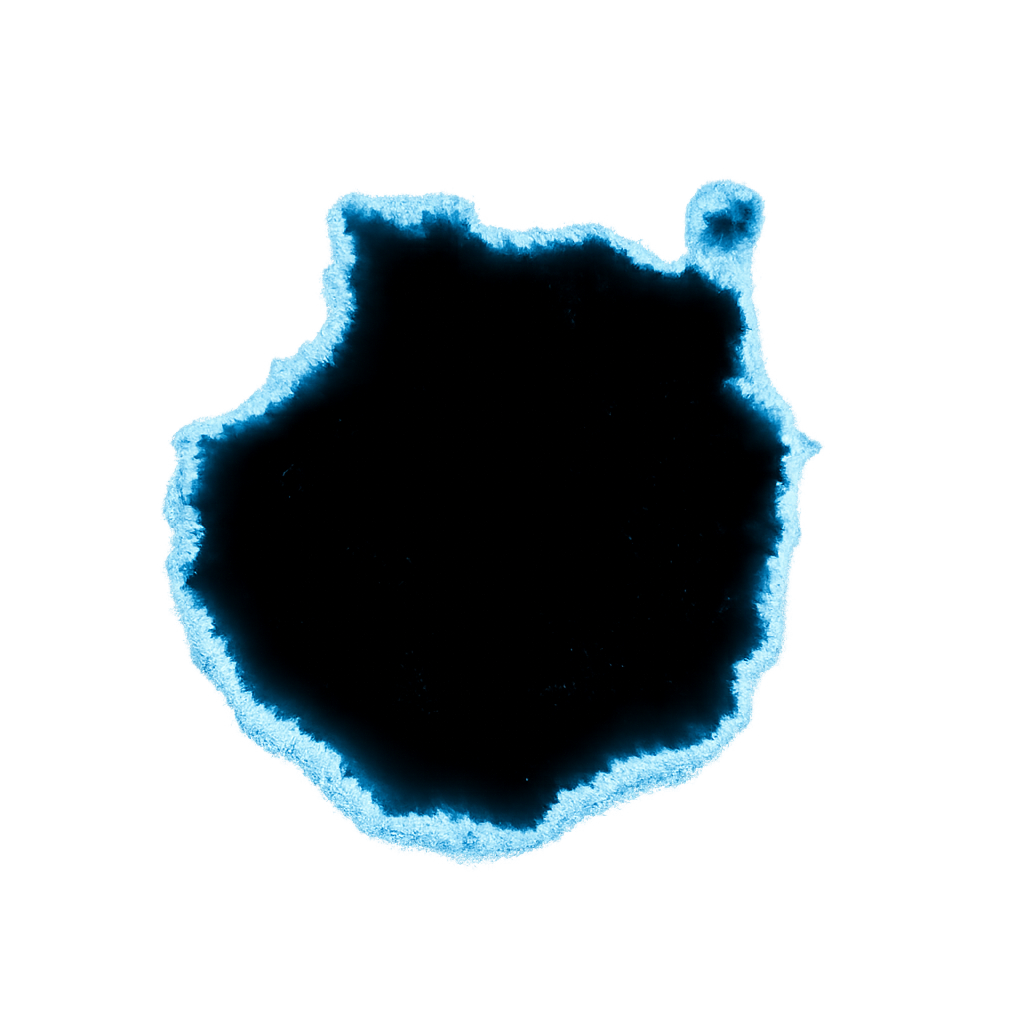
Gran Canaria Uncovered
The island beyond the resorts: white mountain villages, Sunday markets, award-winning cheeses and the small, real things that most visitors fly home without ever tasting.
It’s easy to spend a week in the south of Gran Canaria and think you’ve seen the island — but you haven’t, not really. The Gran Canaria I love is inland and up north: villages where time slows down, markets full of local cheese and honey, and food traditions that go back centuries. Here’s how to find the authentic side, the one worth slowing down for.
The villages worth the drive
Rent a car and head inland — this is where the real island lives. A few that are worth your time:
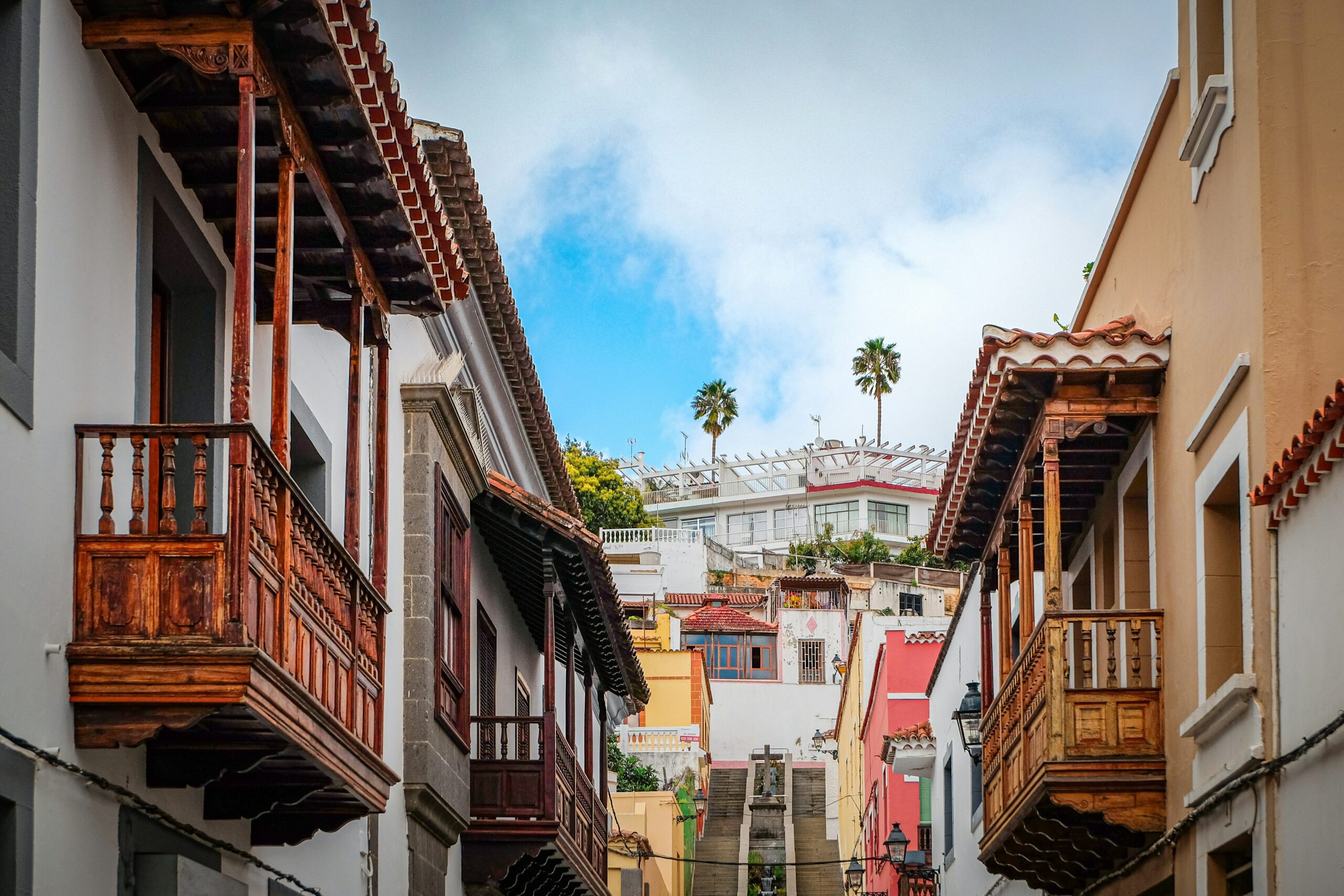
Teror
The most emblematic town in Gran Canaria, with its wooden Canarian balconies, the beautiful Basílica of the island’s patron virgin, and a famous Sunday market. This is also the home of the much-loved chorizo de Teror — a soft, spreadable chorizo you’ll see everywhere. Come on a Sunday for the full experience (but expect crowds).
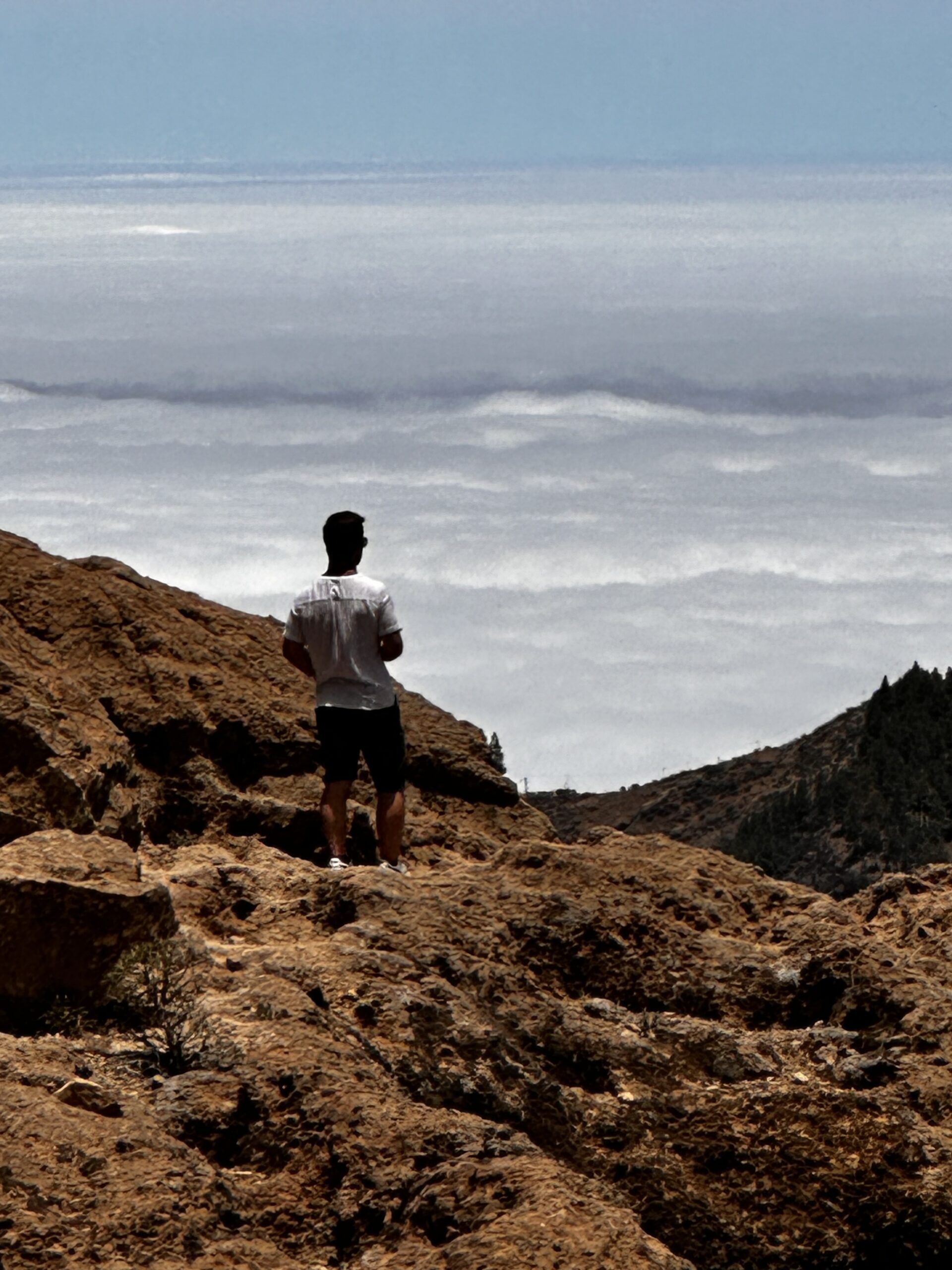
Tejeda
Officially one of the “most beautiful villages in Spain”, Tejeda sits high in the central caldera surrounded by peaks, with Roque Nublo and Roque Bentayga on its doorstep. It’s the island’s capital of almonds — try the bienmesabe (almond and honey cream), marzipan and almond sweets — and a perfect lunch stop after a cumbre hike.
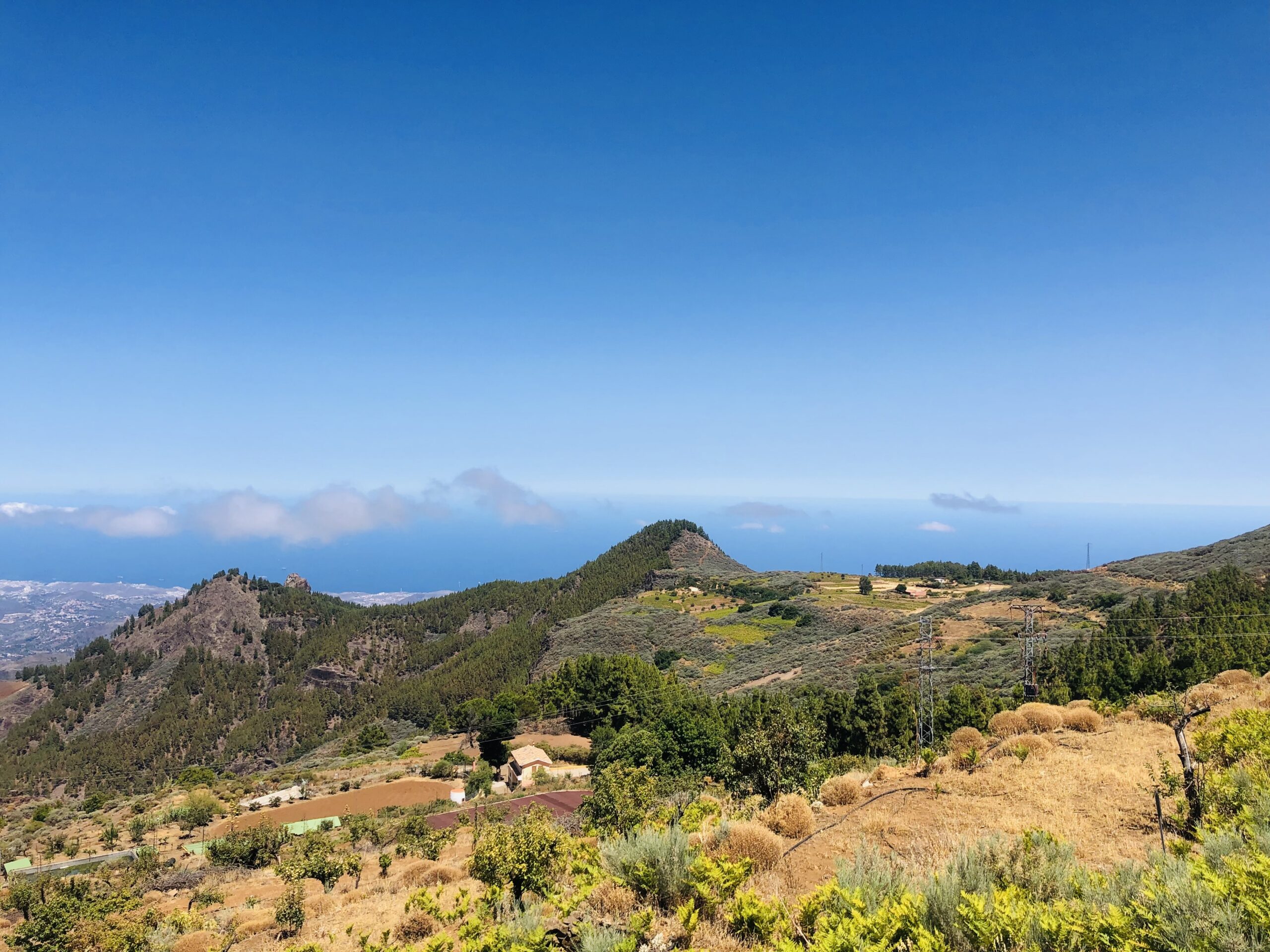
Artenara
The highest village on the island, famous for its cave houses carved into the rock and some of the best panoramic views over the central mountains. Quiet, authentic, and a window into how Canarians lived for centuries — some cave homes are still lived in today.
Fataga & the southern valleys
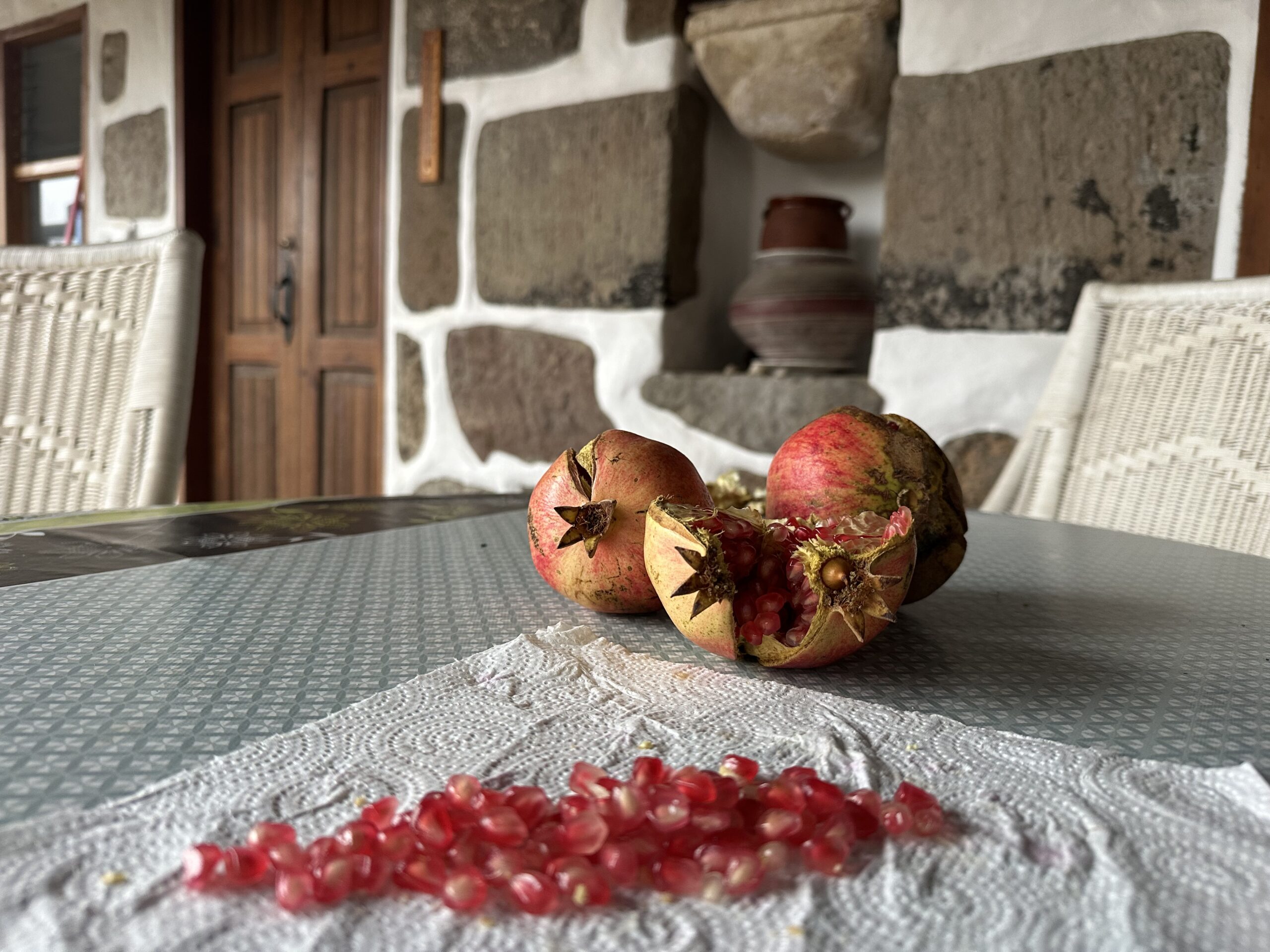
A tiny whitewashed village in the dramatic “Valley of a Thousand Palms”, between Maspalomas and the mountains. Together with nearby Santa Lucía de Tirajana, it’s the perfect taste of the rural south — slow, green, and a world away from the beach resorts just down the road. One of my favourite memories here is a rainy mountain afternoon under the porch of a friend’s house, right in the middle of the village: eating pomegranates, the air full of the mixed scent of plants and flowers, everything silent — and then watching the rain start to fall, out of nowhere. It created this completely unique, suspended atmosphere. That’s the Fataga I love, and the side of the island you only find when you slow down.
🏡 Tempted to stay the night up here?
If the mountains get under your skin — and they will — don’t rush back to the coast. The villages and the cumbre have lovely rural hotels, casas rurales, B&Bs and apartments, often stone-built with mountain views and total silence. Waking up to misty peaks and walking out to a trail or a Sunday market is a completely different side of Gran Canaria.
✨ Or sleep under the stars — literally
Here’s the one I’d save for a special occasion: up in the mountains there are geodesic glamping domes with transparent walls, where you lie in bed and watch the night sky through the dome. Think a private dome among the pines, often with a telescope, a hot tub and total silence — and with Gran Canaria’s clear, dark mountain skies, the stargazing is unreal. One of the most magical (and romantic) ways to spend a night on the island.
What to taste — the real local flavours
Don’t make the classic tourist mistake of eating only at the resort. These are the island’s authentic products, the ones locals are proud of:
🧀 Queso de Flor de Guía (DOP)
The island’s most singular cheese, and one of the very few in the world set with vegetable rennet — the dried flower of the wild cardoon thistle, instead of animal rennet. Made in the north (Guía, Gáldar, Moya) with the milk of transhumant sheep, it’s creamy, intense, with a gentle pleasant bitterness. A genuine treasure — look for “Flor de Guía”, “Media Flor” and “Queso de Guía”.
🌾 Gofio
The cornerstone of Canarian food for centuries: toasted, milled cereals (wheat, maize) used in countless ways — stirred into soups, kneaded into a pella, even in desserts and ice cream. Pure island heritage.
🥔 Papas arrugadas con mojo
“Wrinkly potatoes” boiled in very salty water and served with mojo — red (spicy) or green (coriander/garlic) sauce. The most iconic Canarian dish, simple and addictive.
🌰 Bienmesabe
A rich almond-and-honey dessert cream from Tejeda — the name literally means “tastes good to me”. Spoon it over ice cream or just eat it as is.
🍷 Local wines
Gran Canaria’s vineyards grow from 200 up to 1,300 m, producing distinctive, award-winning wines from grape varieties unique to the archipelago. Worth seeking out on a good restaurant list.
🧂 Sea salt & honey
Traditional artisan sea salt (prized for its delicate flavour) and local honey, often sold at village markets — small producers, big quality.
🍴 Taste it the easy way
Want to actually taste all this without hunting it down yourself? There are lovely small-group experiences that do the work for you — cheese and rum tastings, food walks and farm visits with local guides:
The best local markets
Markets are where you meet the real island — and the best souvenirs you can bring home are edible. The standouts:
Vegueta Market — Las Palmas
SundaysIn the historic old town, great for local crafts: leather, ceramics, woven baskets and jewellery — plus the beautiful covered food market nearby.
Teror Market
SundaysThe island’s most famous village market — come for the chorizo de Teror, local cheeses, honey, breads and sweets, in a gorgeous historic setting.
Moya Market
SundaysKnown for traditional biscuits (the suspiros and bizcochos of Moya), honey, gofio and farm produce, up in the green north.
Valsequillo Agricultural Market
WeekendsA proper farmers’ market: local cheeses, honey, strawberries (Valsequillo is famous for them) and wine, straight from the producers.
🚐 Don’t have a car?
No problem — guided market tours run on Sundays and take you to the best ones (often Teror, San Mateo and Santa Brígida in one day), with pickup and a local guide who helps you taste and shop like a local.
🛍️ Guided market tours →Things few visitors know
Market days, opening hours and producers can change — always check locally, especially for village markets, before making a special trip. Products like Flor de Guía cheese are seasonal and made in small quantities. This guide is built from local knowledge and research; I only point you to things genuinely worth your time.