Coastal Canary Life
El Hierro
The edge of the world — wild, remote, and one of Europe’s great dive destinations.
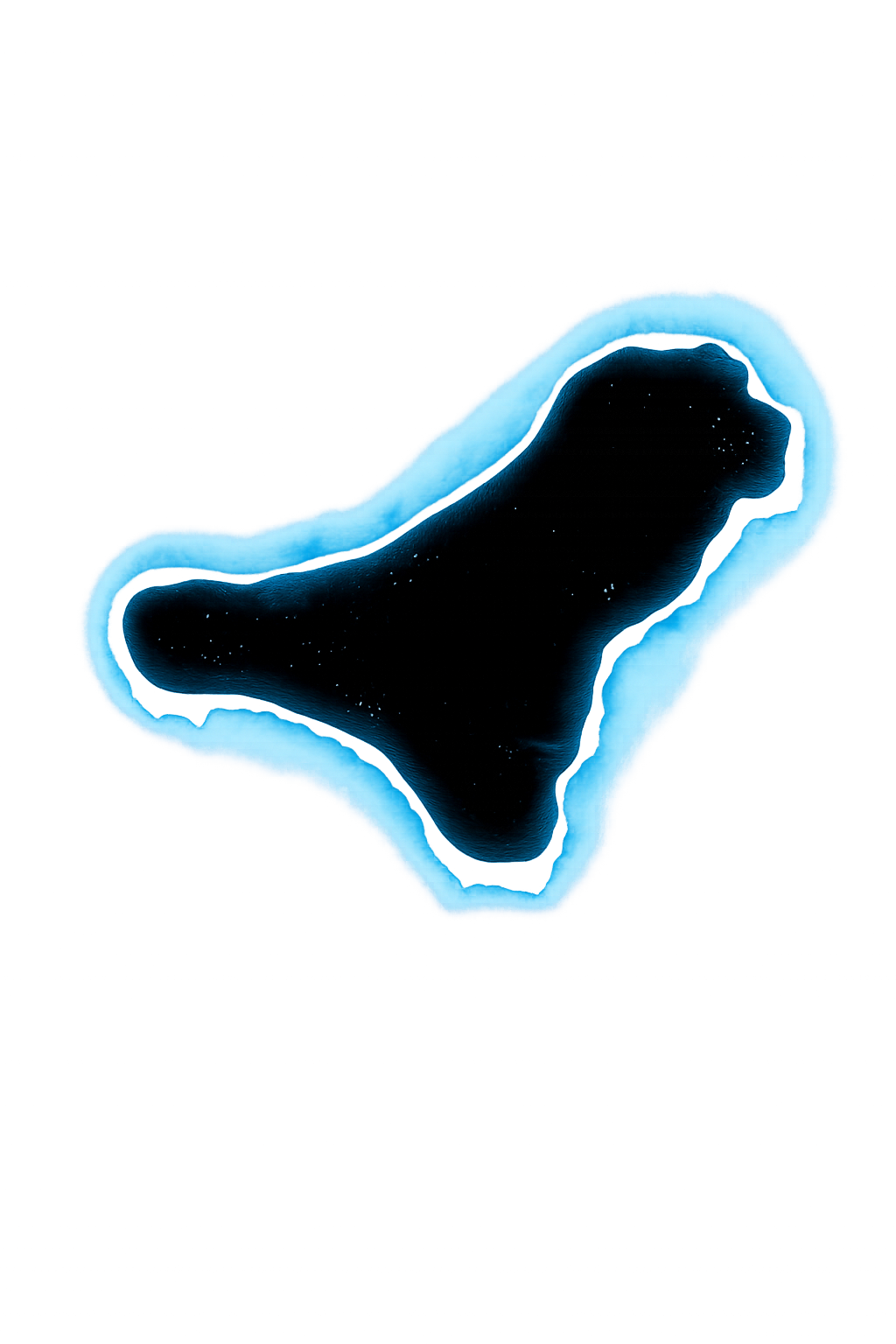
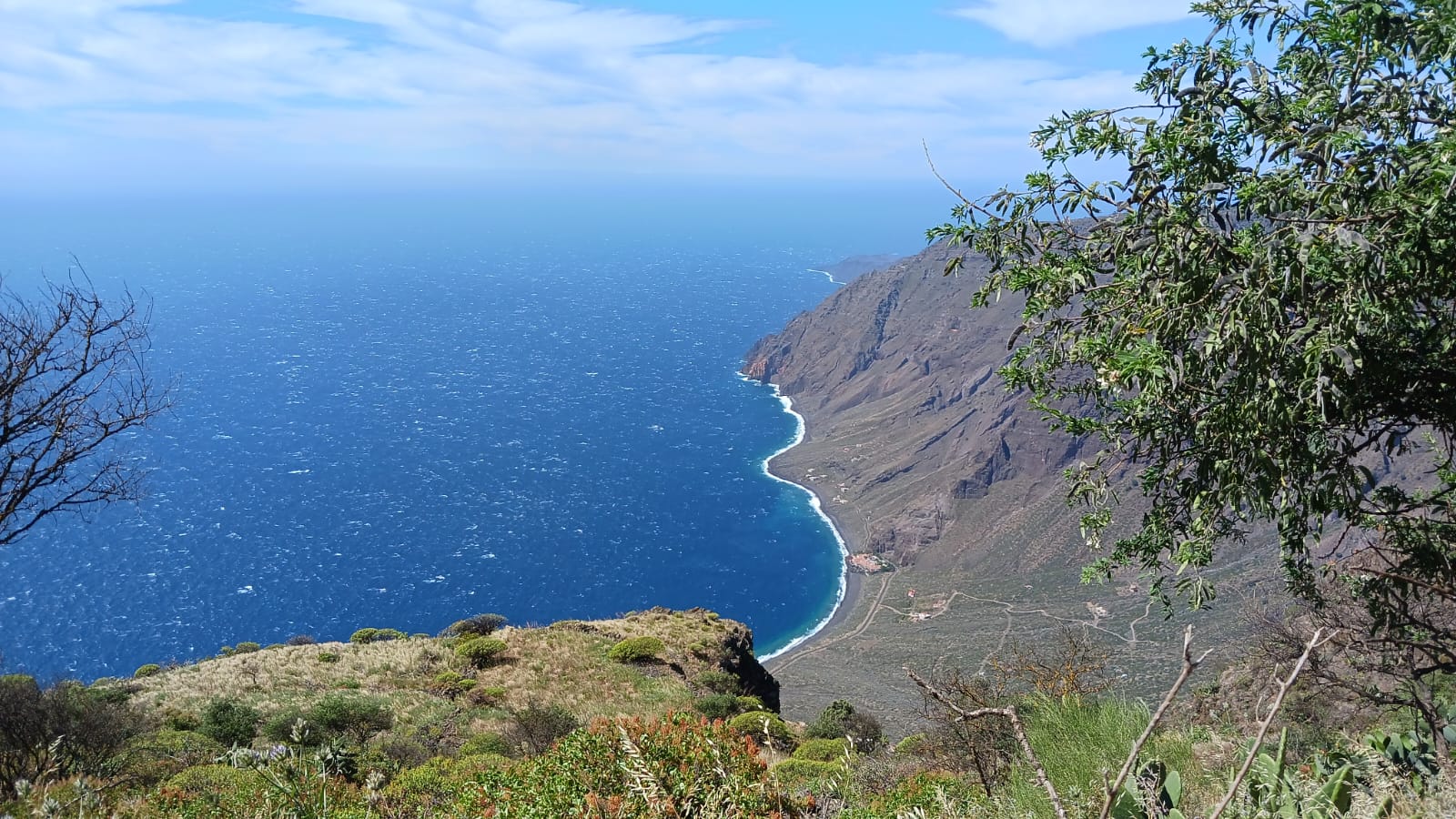
El Hierro is where the Canaries run out — the smallest, most far-flung and most untouched of the main islands. For centuries it was thought to be the end of the known world, and it still feels that way: barely 11,000 people, no mass tourism, no international flights, just volcanic cliffs, twisted juniper trees, lava pools and one of the cleanest, richest seas in Europe. It was the first island on Earth to aim for full renewable energy, and a UNESCO Geopark and Biosphere Reserve. I’ll be honest: this is the island I know least of all — but as a canario, here’s the real, practical lowdown to plan a trip to el fin del mundo.
Why come to El Hierro
World-class diving
The Mar de las Calmas marine reserve off La Restinga is one of Europe’s best dive sites — lava walls, arches and visibility up to 30 m.
Volcanic lava pools
Charco Azul, La Maceta and Tacorón are natural sea pools carved by lava — calm, crystal-clear and perfect for a swim.
Otherworldly nature
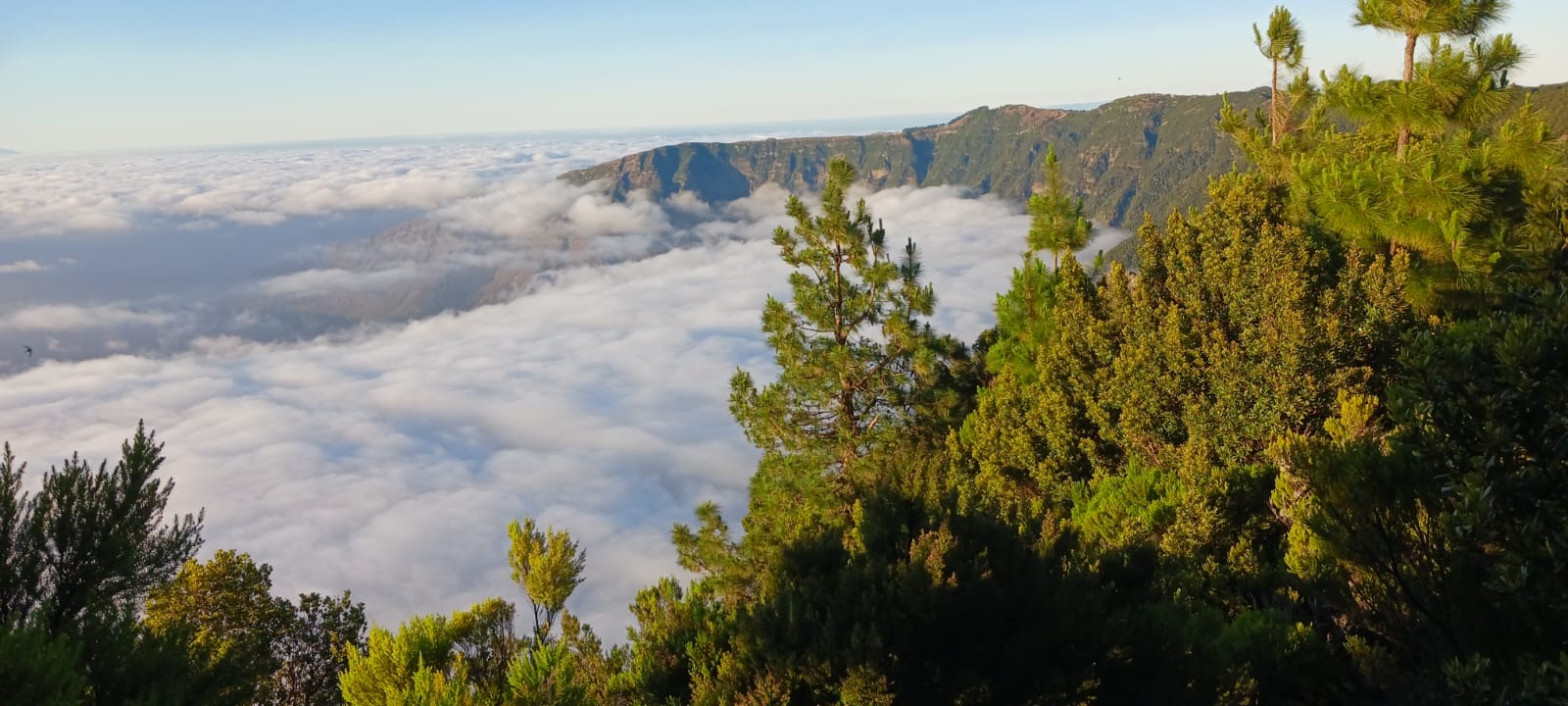
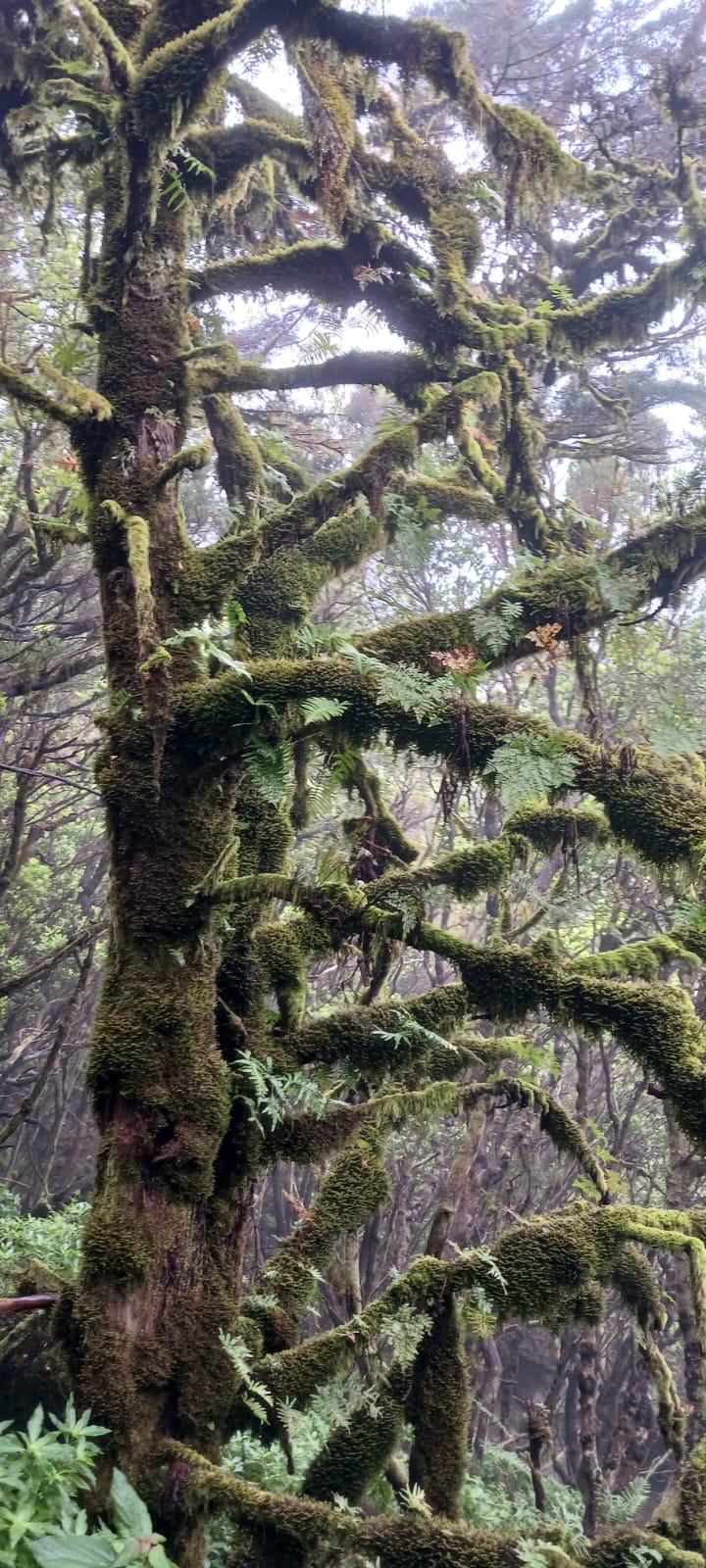
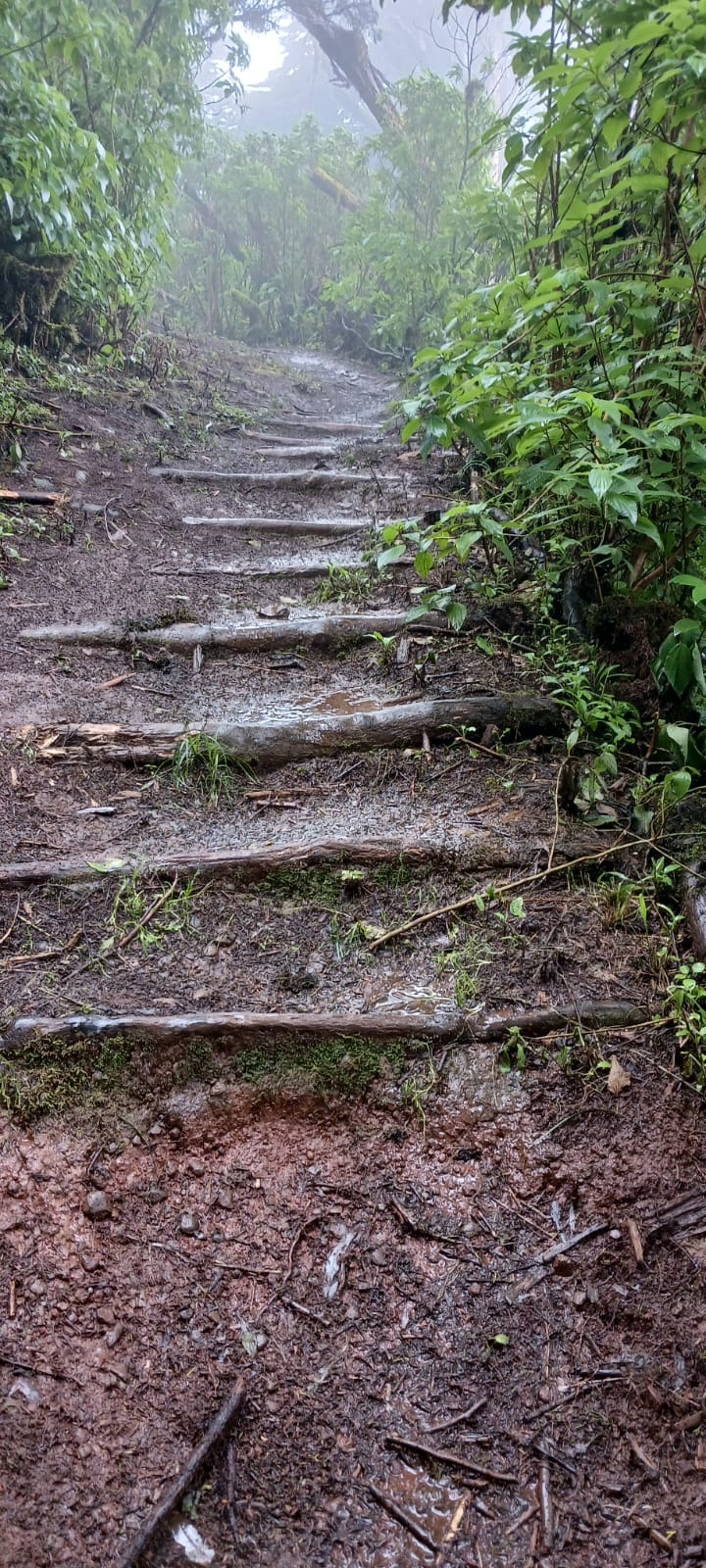
The wind-sculpted junipers of El Sabinar, misty laurel forests and the vast El Golfo valley make this a hiker’s wild dream.
True remoteness
No crowds, no resorts, no rush. El Hierro is for travellers who want silence, stars and a slower world.
Things to do
El Hierro is about slow discovery — diving, lava pools, viewpoints and forest trails. Book diving ahead, as the centres in La Restinga are small.
Dive the Mar de las Calmas
The island’s headline experience. From the fishing village of La Restinga, dive a protected marine reserve of lava tunnels, arches and groupers — one of the clearest, richest seas in Europe.
Natural lava pools
Swim in the volcanic sea pools of Charco Azul, La Maceta and Tacorón — sheltered from the swell, clear as glass, and gloriously uncrowded.
El Sabinar’s twisted trees
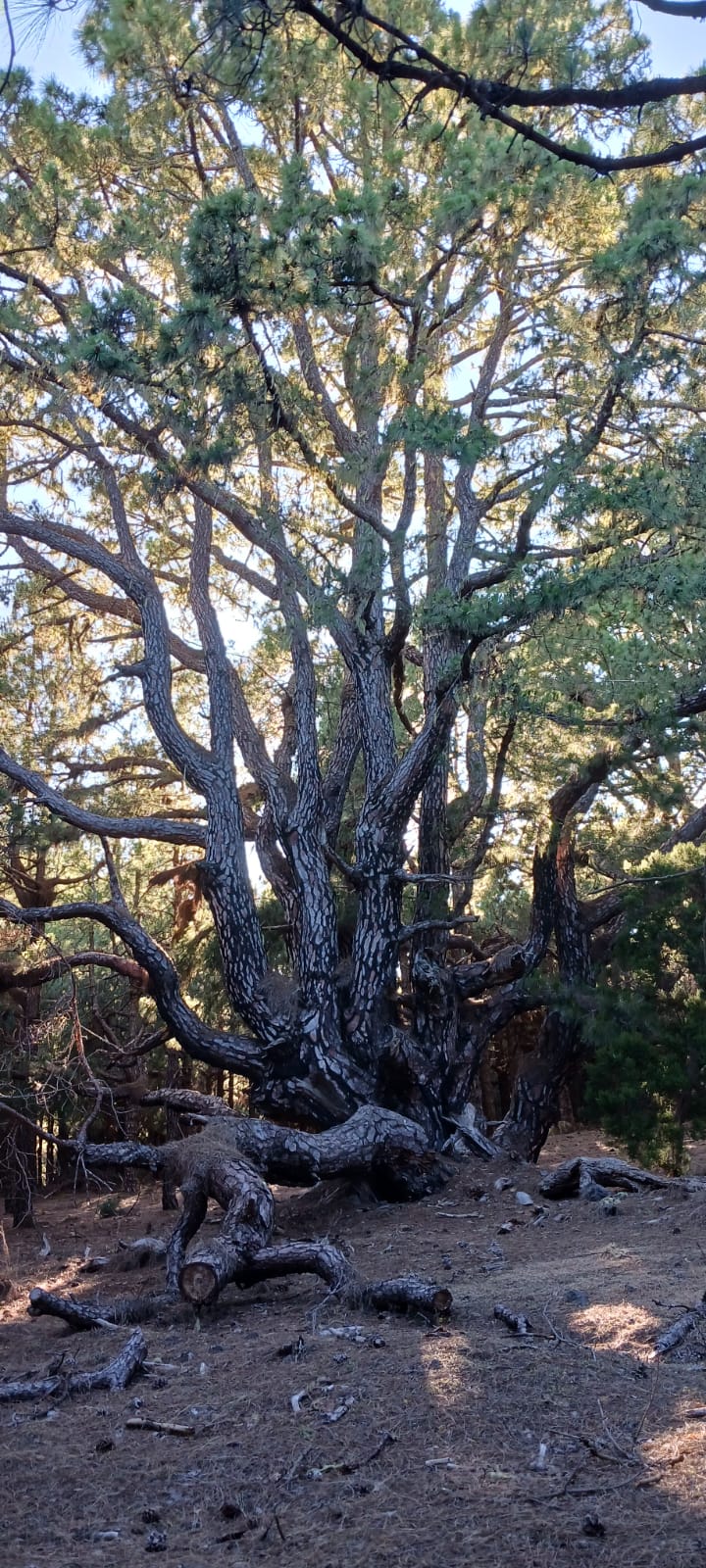
The island’s symbol: ancient juniper trees bent almost horizontal by centuries of trade winds, in a wild, windswept corner of the west.
Mirador de la Peña
A spectacular clifftop viewpoint designed by César Manrique, gazing over the vast El Golfo valley — with a restaurant built into the rock.
Ecomuseo de Guinea & Lagartario
A restored old village showing traditional Herreño life, a lava tunnel, and the project saving the island’s giant lizard from extinction.
Hike the Camino de la Virgen
Walk the old pilgrim and shepherd routes across the island — from misty heights to lava coast, on trails that link El Hierro’s tiny villages.
Book ahead
Book your El Hierro experience
El Hierro is a small, remote island, so options are fewer than elsewhere — here’s where to look for what’s bookable.
💡 Honest note: El Hierro has far fewer bookable tours online than the bigger islands — much is arranged locally once you arrive (especially diving, via the La Restinga centres directly). That’s part of its off-grid charm.
Where to stay
Accommodation is limited and rural — book ahead, especially in summer and Spanish holidays. Pick your base by what you came for.
Valverde (East)
The island capital and arrival point — practical, with shops and services, and close to the airport.
La Frontera & El Golfo (North-West)
The green, scenic heart for exploring the west, the lava pools and the viewpoints. A great all-round base.
La Restinga (South)
The diving village at the southern tip — stay here if you’ve come for the Mar de las Calmas reserve.
El Pinar & rural casas
Highland villages with traditional rural houses — peaceful, authentic, and high enough to sleep after diving days.
How to get to El Hierro
There are no international flights — you reach El Hierro from Tenerife:
- Ferry. Naviera Armas runs ferries from Los Cristianos (south Tenerife) to Valverde (Puerto de la Estaca) — around 2.5 hours. Scenic, and lets you bring a car.
- Fly. Quick inter-island flights from Tenerife North (Binter, Canaryfly) land at El Hierro airport (VDE) in about 40 minutes — the fastest way in.
El Hierro FAQ
How many days do you need?
Three to four days is enough to loop the island, swim the lava pools and see the highlights. Divers often stay a week to make the most of the Mar de las Calmas.
Is it only for divers?
No — though diving is the star, El Hierro is also superb for hiking, lava-pool swims, viewpoints and pure quiet. It’s a nature-and-silence island for anyone who loves the outdoors.
When’s the best time to go?
Mild year-round. Summer (June–September) has the warmest, calmest sea for diving and swimming. Spring and autumn are lovely and quiet for hiking.
Do you need a car?
Yes — public transport is minimal and the best spots are scattered. A rental car (bring it on the ferry or hire on arrival) is essential to explore.
Keep exploring
Not sure El Hierro is your island?
Compare all eight Canary Islands and find the one that fits your trip.
Compare the islands →Some links here are affiliate links: if you book through them it costs you nothing extra and helps keep Coastal Canary Life independent. Ferry times, opening hours and prices change — always check official sources before you go.