
Coastal Canary Life
La Gomera
Ancient forests, deep ravines and a whistled language — the Canaries’ time capsule.
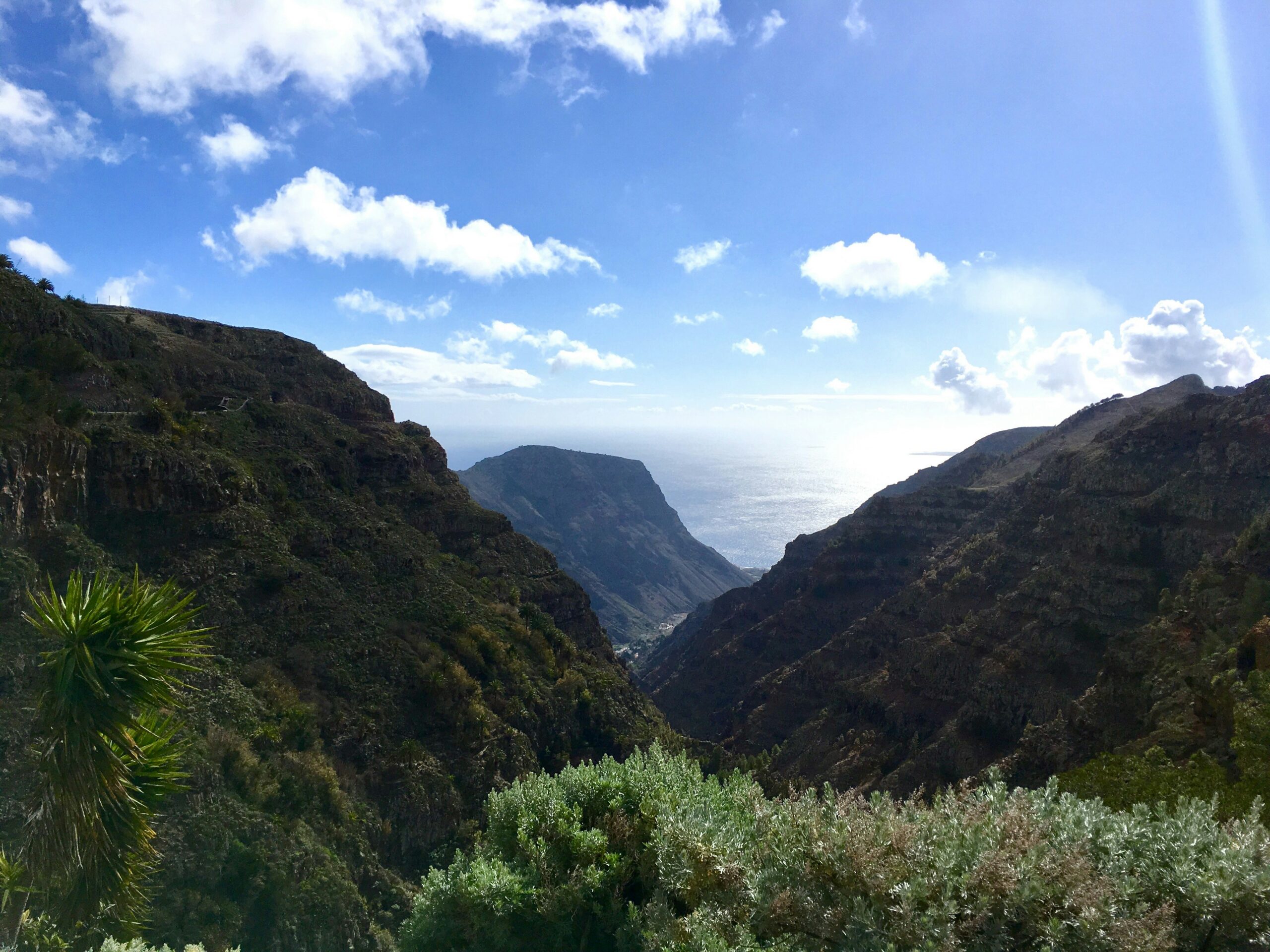
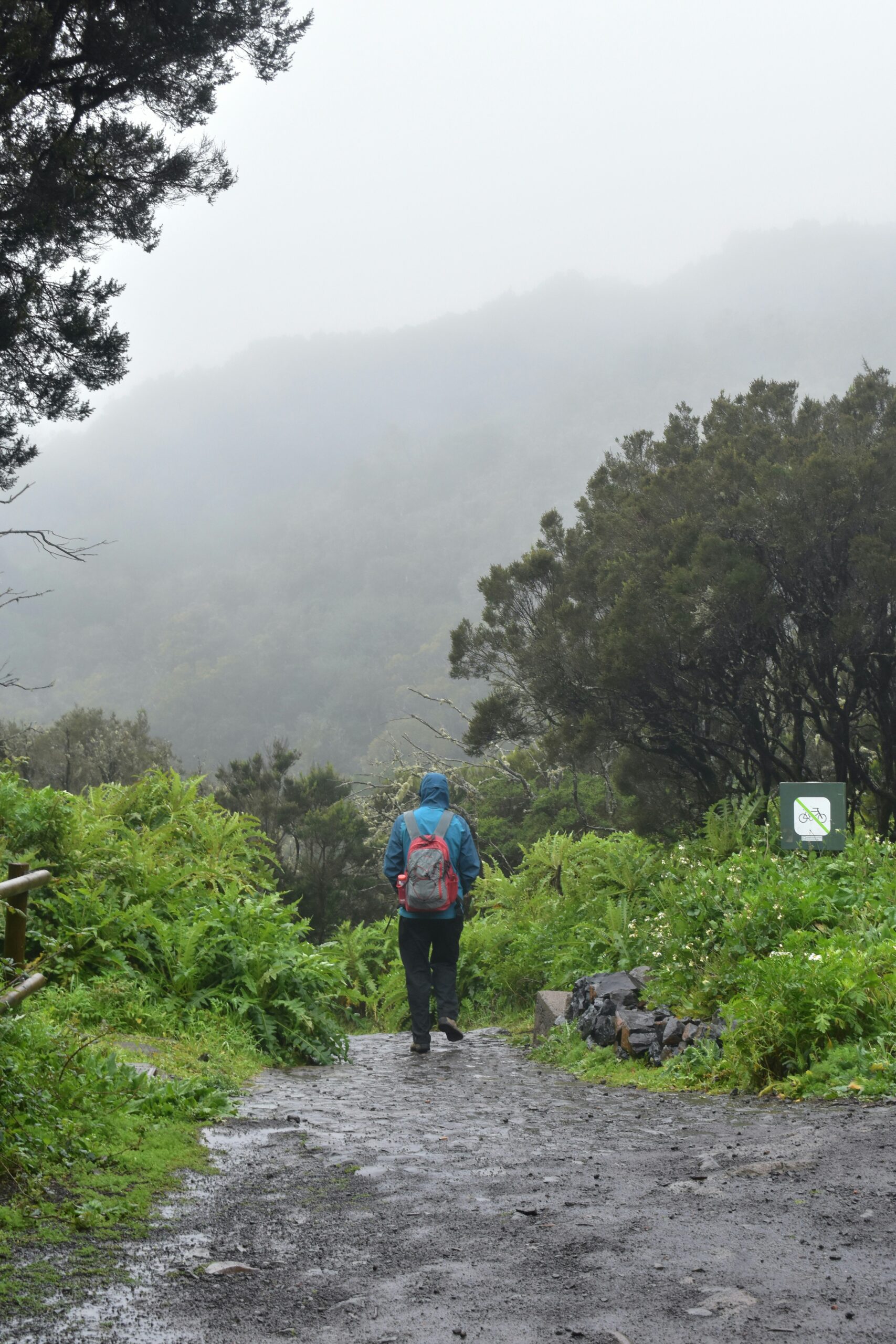
Step back in time on La Gomera. This is the green, vertical, almost mythical Canary: a UNESCO biosphere reserve crowned by Garajonay National Park, an ancient laurel cloud-forest that feels straight out of Jurassic Park. Deep ravines, terraced palm valleys, black-sand coves and a handful of timeless villages — plus the unique Silbo Gomero, a whistled language still used to talk across the gorges. It’s a hiker’s island, reached by a short ferry from Tenerife. I’ll be straight with you: I know this island less deeply than my home turf, but as a canario, here’s the honest, practical guide to do it right.
Why come to La Gomera
A prehistoric forest
Garajonay National Park is a UNESCO World Heritage laurel forest — misty, ancient and unlike anywhere else in Europe.
600 km of trails
One of the best walking islands in the Canaries, with marked paths through forest, ravine and palm valley.
Whales & dolphins
The deep waters off Valle Gran Rey are some of the best in the islands for respectful whale and dolphin watching.
Authentic & uncrowded
Almost no mass tourism — just stone villages, palm honey, goat cheese and the whistled Silbo language.
Things to do
The experiences that make La Gomera special — book the boat trips and guided hikes ahead, especially in spring and summer.
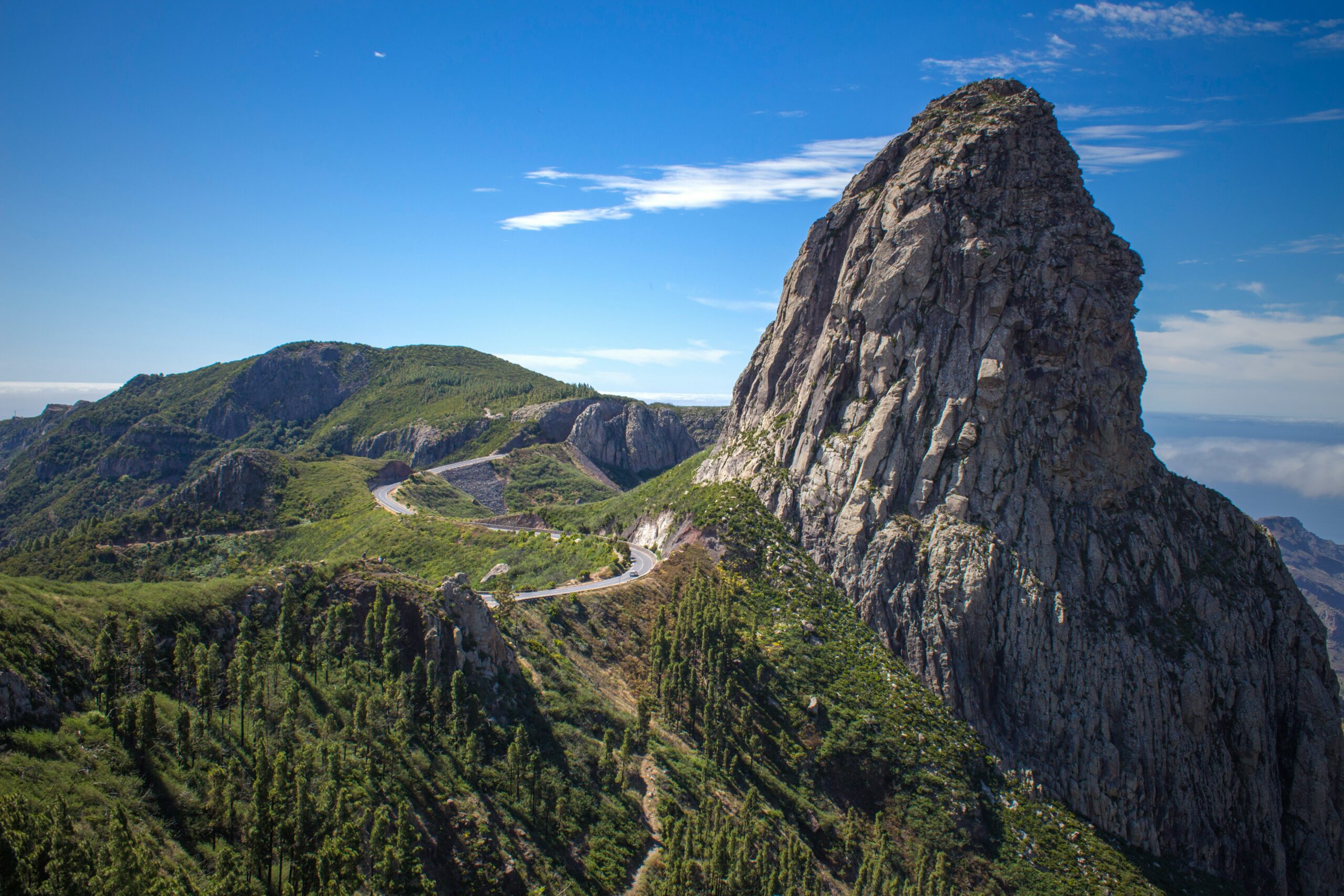
Garajonay National Park
The island’s crown jewel — walk the misty laurel forest trails around La Laguna Grande, or climb to the Alto de Garajonay (1,487 m), the island’s highest point, for views across to Tenerife and El Hierro.
Whale & dolphin watching
From Valle Gran Rey or Playa de Santiago, head out on a small boat to spot pilot whales, dolphins and more in some of the richest waters in the Canaries.
Valle Gran Rey
A spectacular terraced valley of palms tumbling down to the sea, with the Mirador del Palmarejo viewpoint above and laid-back beaches below — the island’s most beloved spot.
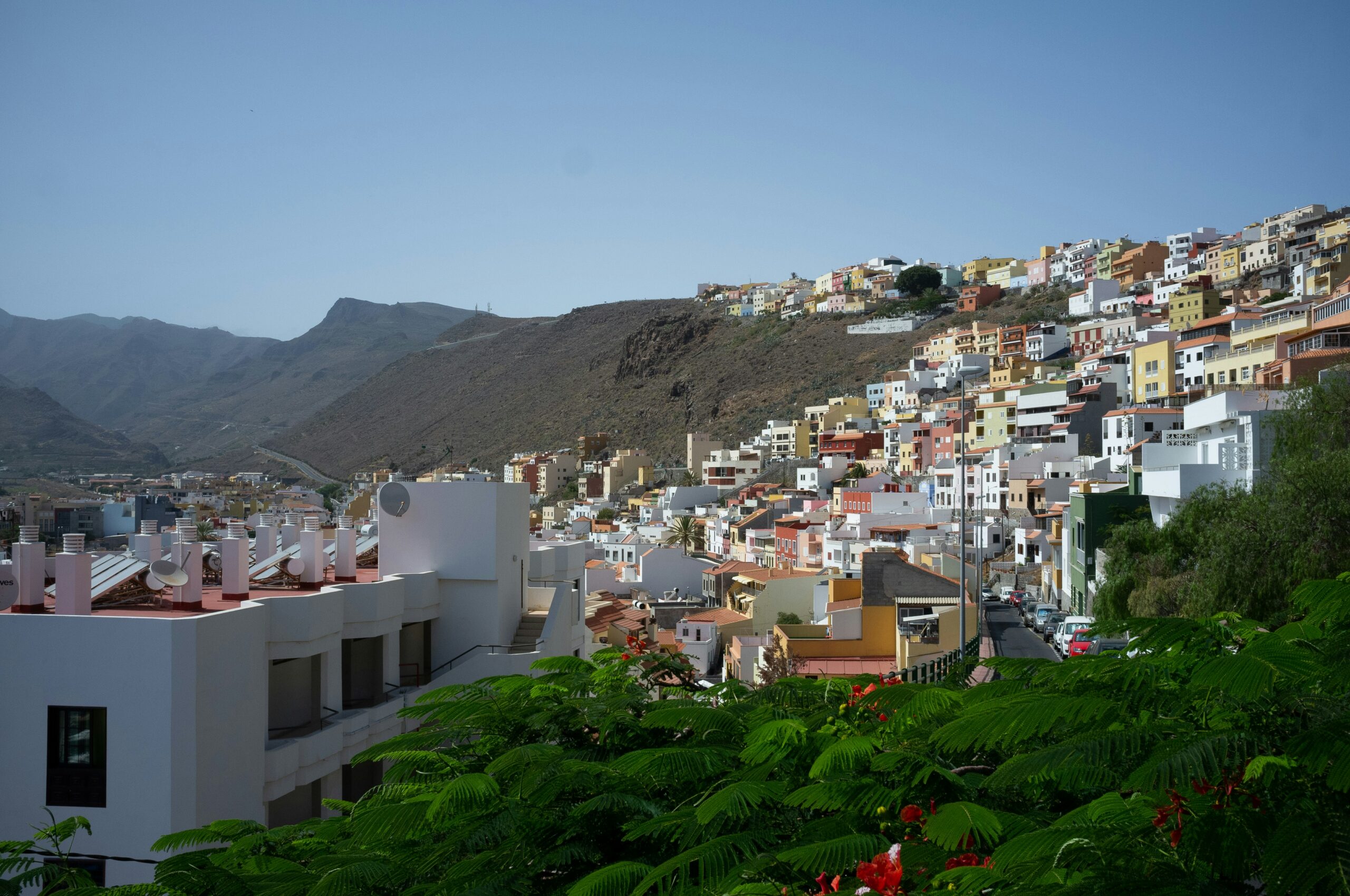
San Sebastián de La Gomera
The capital and ferry port, where Columbus stopped before crossing the Atlantic. Wander the Torre del Conde and the old streets before heading inland.
Los Órganos
A dramatic basalt cliff of organ-pipe rock columns rising from the sea on the north coast, only visible from the water — a highlight of coastal boat trips.
Silbo Gomero & local food
Hear the whistled language that carries across ravines, and taste almogrote (spicy cheese paste), palm honey and goat cheese in the village restaurants.
Book ahead
Book your La Gomera experience
Real tours on and to the island — from the forest to the whales — with free cancellation.
Where to stay
La Gomera is small and rural. San Sebastián is handy for the ferry; Valle Gran Rey is the favourite for coast, sunsets and walking; the green north is quietest and closest to the forest.
San Sebastián (East)
The capital and ferry port — the most convenient base, with shops, restaurants and roads to everywhere.
Valle Gran Rey (West)
The most popular spot: palm valley, beaches, sunsets and whale-watching departures. Relaxed and scenic.
The green north
Hermigua, Agulo and Vallehermoso — lush, quiet and closest to Garajonay’s best trails. Best for hikers.
Rural casas
Stone cottages in the hills are the authentic Gomera stay — peaceful, traditional and deeply local.
How to get to La Gomera
The easiest and most common way is the ferry from Tenerife:
- Ferry. Fred Olsen and Naviera Armas run frequent ferries from Los Cristianos (south Tenerife) to San Sebastián de La Gomera — around 50 minutes. The simplest, most scenic route.
- Fly. La Gomera has a small airport (GMZ) with inter-island flights from Tenerife North (Binter), handy but more limited than the ferry.
La Gomera FAQ
How many days do you need?
Many visit on a day trip from Tenerife, but the island deserves more. Three to four days lets you walk Garajonay, see Valle Gran Rey, do a whale-watching trip and slow down properly.
When’s the best time to go?
Spring and autumn are ideal — comfortable for hiking, green scenery and good marine wildlife. The highlands can be cloudy and cool, so pack a layer even in summer.
Can you visit without staying over?
Yes — a day trip from south Tenerife (with ferry and a guided tour) is very doable and popular. But to feel the island’s calm, an overnight or two is worth it.
Do you need a car?
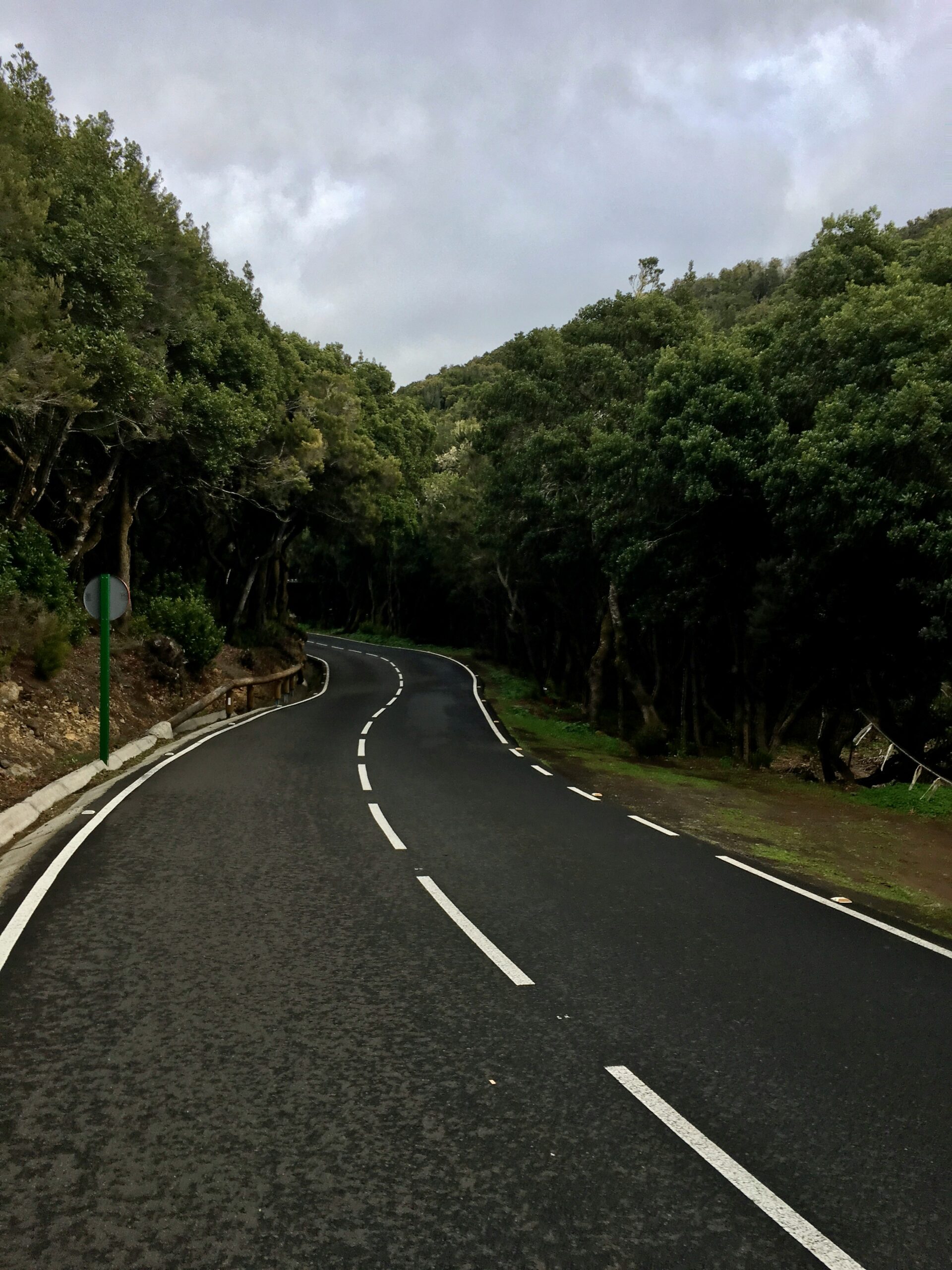
To explore freely, yes — the roads are winding and slow, and buses are limited. A rental car (or a guided tour) makes all the difference.
Keep exploring
Not sure La Gomera is your island?
Compare all eight Canary Islands and find the one that fits your trip.
Compare the islands →Some links here are affiliate links: if you book through them it costs you nothing extra and helps keep Coastal Canary Life independent. Ferry times, opening hours and prices change — always check official sources before you go.