Coastal Canary Life
The Island Has Everything
How one small island ended up with a desert, a rainforest, a 3,700m volcano and some of the clearest skies on Earth.
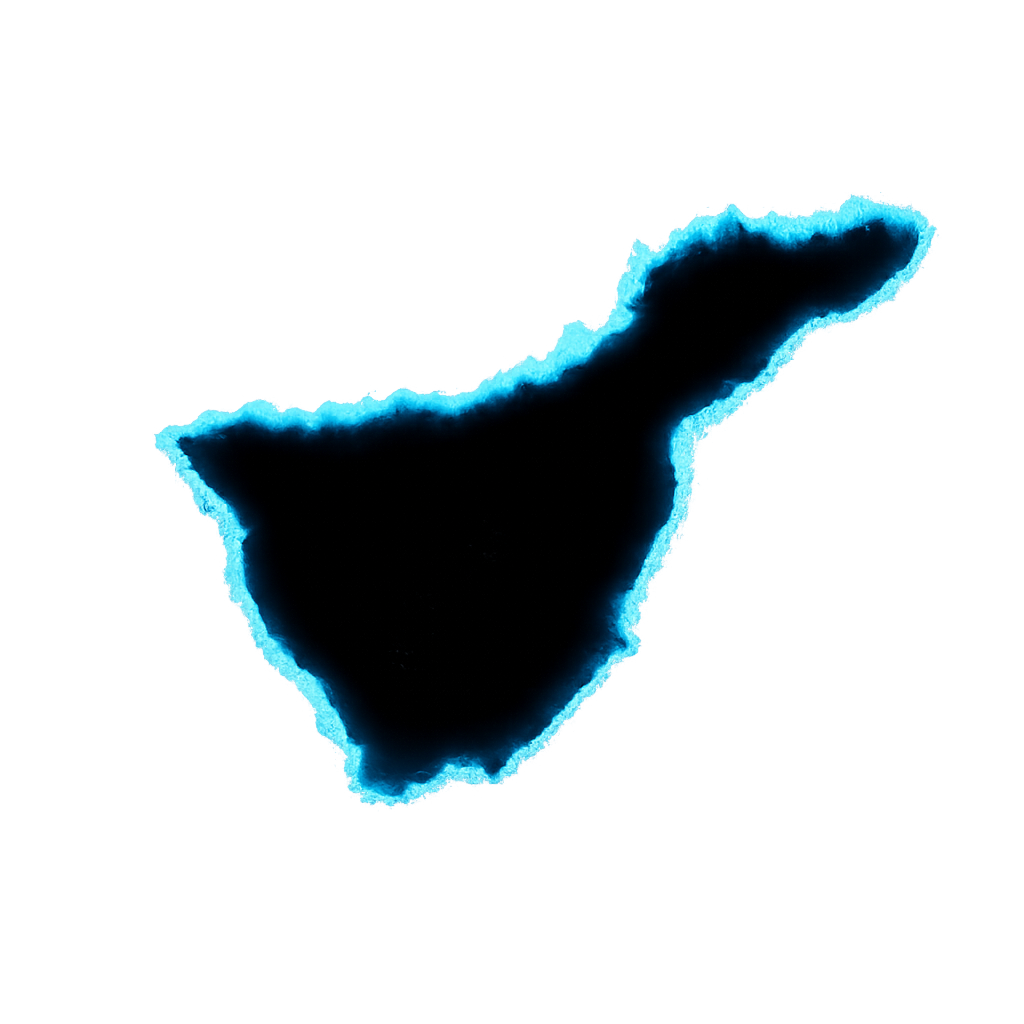
People come to Tenerife expecting a beach holiday and leave slightly confused — in the best way. You can start your morning on a black volcanic beach in shorts, drive ninety minutes, and be standing in cold thin air at the foot of a volcano by lunch, in a forest that looks prehistoric by mid-afternoon. It doesn’t feel like one island. It feels like someone folded a whole continent into something you can drive across in two hours.
This page isn’t a list of things to book — those live on the other guides. This is the why. The handful of things that make Tenerife genuinely strange and special, the stuff most brochures skip, and a few things even some locals only half-explain. If you read one page before you come, make it this one.
It has two climates, and a volcano decides which one you get
Here’s the thing nobody tells you until you’re already here: Tenerife isn’t one weather. Mount Teide — at 3,715m, the highest peak in all of Spain — sits dead in the middle of the island and works like a giant wall. The Atlantic trade winds hit the north, dump their moisture, and leave it green, lush and a few degrees cooler, with cloud often hanging on the peaks. The south, sheltered behind the mountain, stays dry and sunny — over 300 sunny days a year.
What this means in practice surprises everyone: you can drive from one side to the other and watch the temperature swing by ten degrees in ten minutes. Locals don’t think twice about it — if it’s grey in Puerto de la Cruz, you just go south for the day. My honest advice? Don’t pick a “side” and stay glued to it. The whole point of Tenerife is that both exist an hour apart. Rent a car and use both.
The beaches are black — and the golden ones are a little white lie
Tenerife is volcanic, so its real sand is black. Not dirty-grey — properly black, made of lava ground down by the Atlantic, and weirdly lovely once you get over the surprise (it’s also said to be good for the skin thanks to the minerals). The wild northern beaches like Benijo and Almáciga, guarded by sea stacks at the literal end of the road, are the island at its most dramatic.
Now the open secret: those postcard golden beaches in the polished south? Much of that pale sand isn’t local at all — it was brought in to make the resort coast look more “Caribbean.” There are essentially no natural white-sand beaches on the island. It’s not a scandal, it’s just the kind of thing that makes you see the place differently once you know. A quick honesty note too: the north’s wild beaches are gorgeous but the Atlantic there is powerful — swim where there are flags and lifeguards, not wherever looks pretty.
Local tip For black-sand drama with safe swimming, the calm cove at Los Gigantes under the cliffs is the sweet spot. For raw beauty over a dip, Benijo at sunset — bring cash for the seafood shacks and don’t rush the twisty road back.
It has one of the best night skies on the planet
This is the one that genuinely stops people in their tracks. The air above Teide is so clear and so free of light pollution that the national park is a designated Starlight Reserve — one of only a handful on Earth — and the island is home to the Canary Islands Institute of Astrophysics, one of the world’s most important observatories. National Geographic rates it among the best stargazing spots anywhere, and standing under it you understand why.
You don’t need a tour or a telescope to feel it. Just drive up into the park after dark, pull over, and look up. If you’ve only ever seen a city sky, the Milky Way overhead here is the kind of thing you remember for years. Time it around the Geminids in December if you can — but honestly, almost any clear night up there delivers.
Good to know · 2026 A small thing that trips people up: the cable car ticket gets you to the upper station (3,555m), not the actual summit. Standing on the very peak needs a separate permit on the Tenerife ON portal — and as of 2026 it carries a small eco-fee and sells out weeks ahead. If the summit matters to you, book that permit before anything else.
The best meal you’ll eat won’t be in a restaurant
Forget the seafront places with laminated menus in five languages. The real food of Tenerife happens in guachinches — tiny, family-run taverns, mostly tucked into the northern wine country around Tacoronte, La Matanza and El Sauzal. They started as places where families sold their own homemade wine and threw in a plate of food, and the best ones still feel exactly like that: a few tables, a handwritten sign by the road, house wine poured from an unlabelled bottle.
What you eat: papas arrugadas (little potatoes boiled in heavily salted water until the skin wrinkles) with mojo — green for herby, red for a kick; conejo en salmorejo (marinated rabbit); roasted goat’s cheese; thick chickpea stews. A full meal with wine often runs €10–15. Two honest catches: many guachinches only open certain months or weekends, and they don’t really advertise — locals find them by word of mouth (and a couple of community-run maps online). That’s part of the charm, and part of why eating at one feels like being let in on something.
Local tip A guachinche won’t take a card and won’t take a reservation by email. Bring cash, go hungry, and don’t expect a website. If it has a flashy sign and a hostess, it’s a restaurant pretending to be a guachinche.
The wine survived something that wiped out the rest of Europe
Here’s a detail even seasoned travellers miss. In the 1800s a plague called phylloxera destroyed almost every vineyard in Europe. Tenerife’s island isolation meant its vines were never hit — so it’s one of the very few places left where you can drink wine from pre-phylloxera grape varieties, grown on their own original rootstock, in volcanic soil, at some of the highest altitudes in Europe. Five separate wine regions on one island. Look for crisp whites from Malvasía and mineral, smoky reds from Listán Negro.
And while you’re in the north, detour to Icod de los Vinos to see the Drago Milenario — a vast dragon tree thought to be among the oldest in the world. It’s the kind of stop that’s free, takes twenty minutes, and quietly tells you how old and strange this island really is.
There’s a prehistoric forest up here too
In the far northeast, the Anaga mountains hold a laurisilva — a laurel forest that’s a living relic of the kind that covered southern Europe millions of years ago, kept alive by that same northern mist. Walking through it, dripping and green and silent, is about as far from “beach resort” as you can get while still being on the same island. It’s also a UNESCO Biosphere Reserve.
The island’s wildlife is just as oddly specific: the Blue Chaffinch, a little slate-blue bird, lives only in Tenerife’s mountain forests and nowhere else on Earth. You won’t necessarily spot one, but knowing it’s up there — found on this island and no other — is a neat reminder of how isolated and singular this place is.
So — everything, really
A desert coast and a rainforest. Black beaches and imported gold ones. The highest mountain in Spain and one of the clearest skies on the planet. Wine that outlived a continent’s vineyards, and a meal you’ll only find if someone points you to it. You don’t “do” Tenerife in a long weekend by a pool — you barely scratch it. Come knowing it’s bigger and stranger than the brochure, give yourself a car and a few days, and let the island show off. It will.
See it for yourself
An island this varied only really opens up with wheels and a couple of booked-ahead experiences.
Some links above are affiliate links. If you book through them it costs you nothing extra and helps keep Coastal Canary Life running. I only point you to things genuinely worth your time. Prices, permits and opening days change — always check official sources before you travel.
One island, a hundred islands ✦