Coastal Canary Life
Best & Hidden Beaches in Lanzarote
Turquoise coves between black cliffs, Atlantic surf strands beneath giant escarpments, white-sand lagoons and lava pools. The famous ones — and the secret ones.
Most people arrive in Lanzarote expecting a classic beach destination. The reality is far more interesting. Unlike neighbouring Fuerteventura, this isn’t endless white sand — large stretches of coast are lava fields, cliffs and black rock. The famous turquoise beaches exist, but they appear like hidden rewards between some of the most dramatic coastline in Europe.
That’s exactly why beach lovers keep coming back. One morning you can snorkel over volcanic reefs in glassy water; that same afternoon watch Atlantic waves explode beneath the cliffs of Famara. Few islands give you so much variety inside a one-hour drive. Here’s the honest mix — with a straight answer on which beaches you can actually swim at.
🧭 The 30-second beach finder
Best overall
Papagayo
Best surf
Famara
Best snorkelling
Playa Chica
Best for families
Playa Dorada
Best sunset
Famara
Best hidden
Playa del Risco
Before you pick a beach
Two things decide your day here far more than the calendar: the sea temperature, and the wind.
🌊 The water
The Atlantic around Lanzarote stays remarkably steady year-round — roughly 18–19°C in winter, climbing to about 22–23°C in September–October, often the most comfortable swimming of the year.
21–23°C
22–23°C
18–19°C
Local tip: wind matters more than water temperature. A calm 21°C day feels warmer than a windy 23°C one.
💨 The wind
The single most useful thing to know: the trade winds usually come from the north-east. So the south coast feels calmer and warmer, while the north-west gets more wind and Atlantic swell. It’s why Playa Blanca and Famara can feel like different planets on the same day.
- Papagayo
- Playa Mujeres
- Playa Dorada
- Playa Flamingo
- Playa Chica
- Famara
- La Cantería
- Las Cucharas
- North-west coast
The beaches you shouldn’t miss
Papagayo
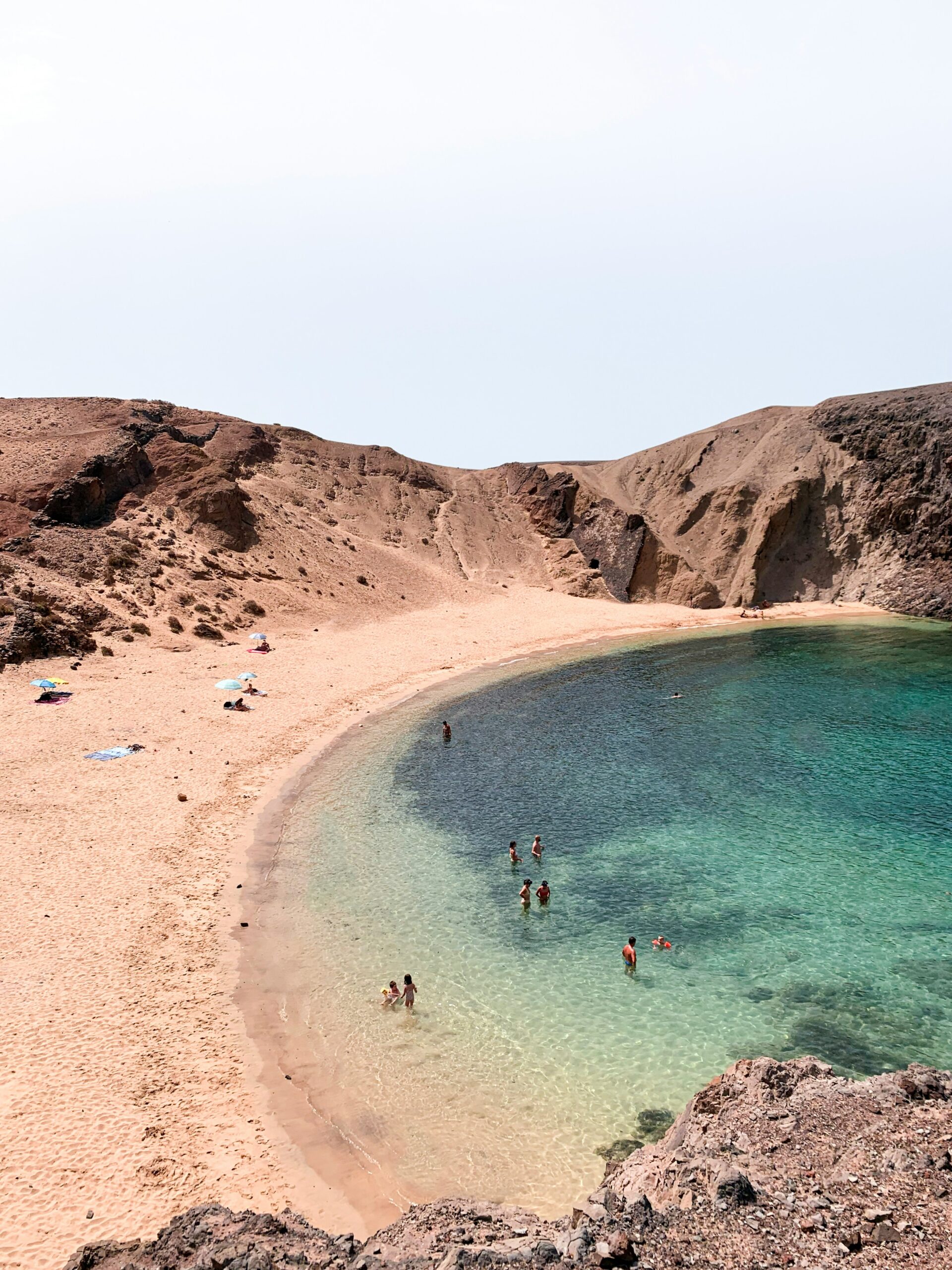
Everyone recommends Papagayo. For once, everyone’s right. And it isn’t one beach — it’s a whole protected stretch of coves, each with its own character: Playa Papagayo, Playa Mujeres, Caleta del Congrio, Puerto Muelas, Playa del Pozo. Facing south and sheltered from the worst of the Atlantic, the water here is often the clearest on the island — unreal turquoise on a calm morning.
Insider tip: arrive before 10:00. Most people turn up late morning; 09:00 vs 12:00 feels like two different beaches. Reached by a dusty road with a €3 “road maintenance” contribution; bring everything — little shade, few facilities.
Famara
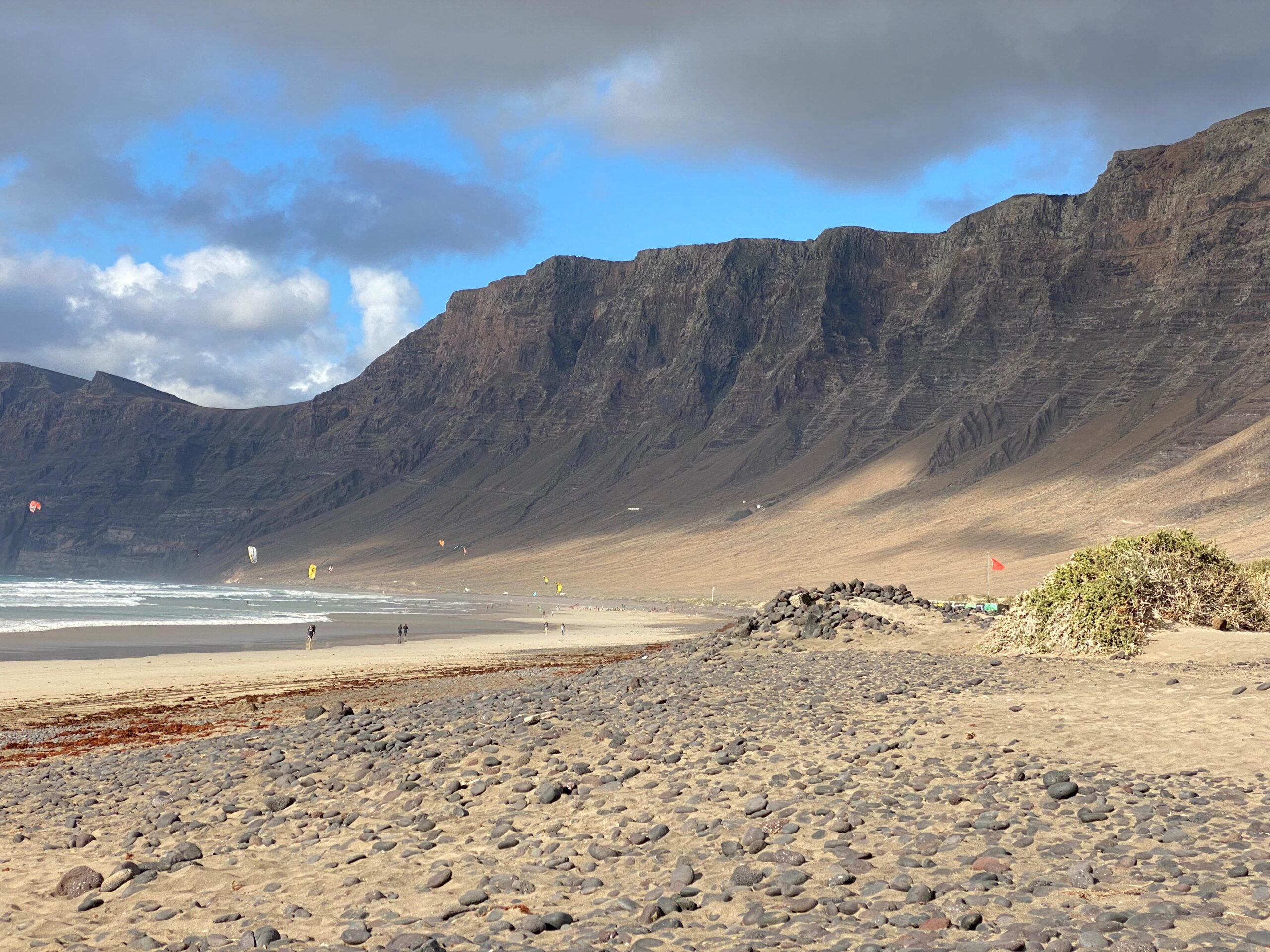
If Papagayo is the postcard, Famara is the soul of Lanzarote. Nearly six kilometres of sand beneath the enormous Risco de Famara cliffs — one of the most dramatic beaches in the Canaries. It’s not the best swimming beach; it might be the most beautiful. At low tide the wet sand turns into a giant mirror, and on the right evening the whole bay glows gold. This is where surfers, photographers and locals come.
Catch: open to Atlantic swell and strong wind, with real currents — conditions change fast. Glorious for walking, surfing and sunsets; swim only when calm and stay shallow.
Playa Chica
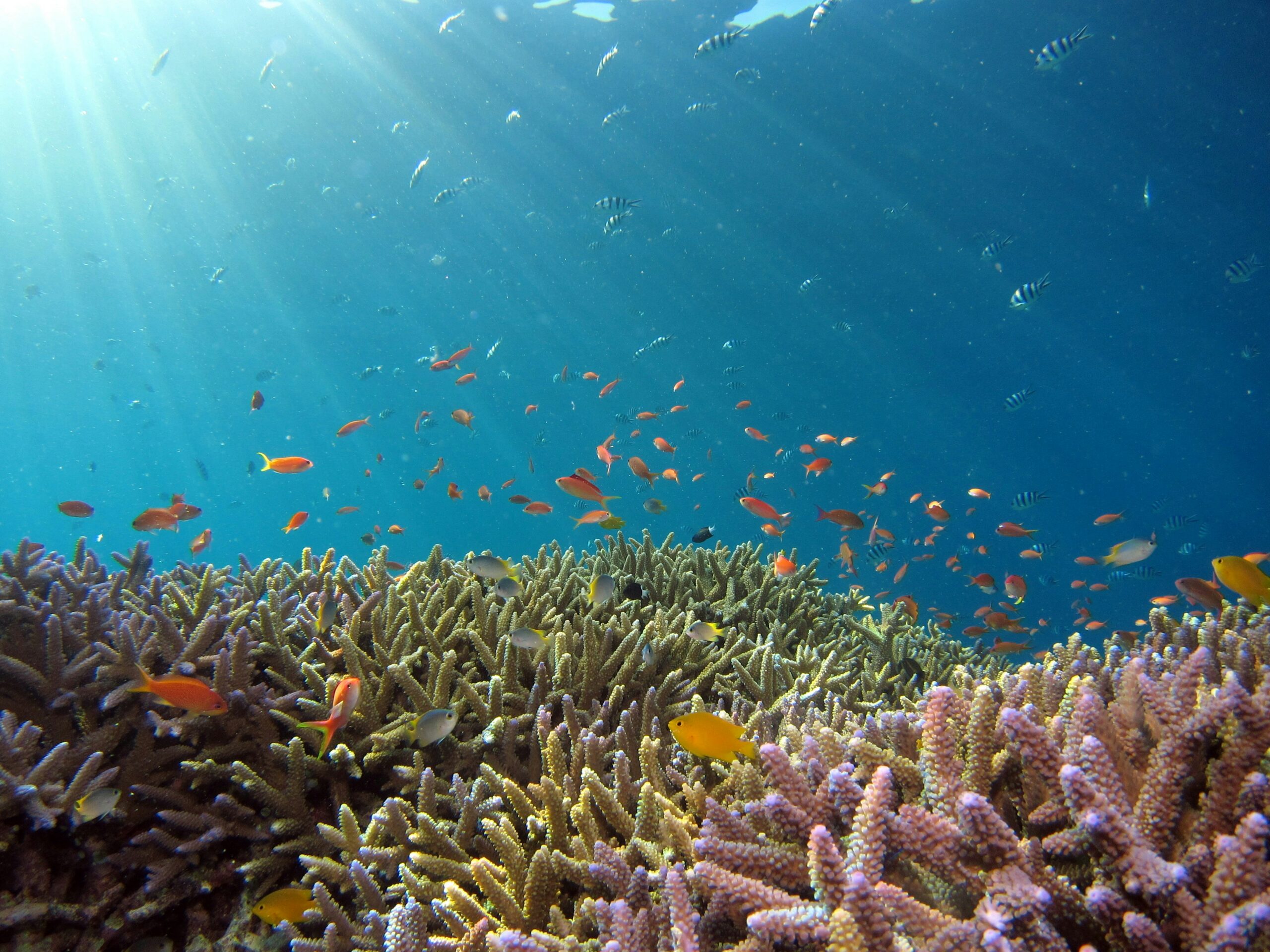
Tiny, easy to miss — and arguably the best snorkelling beach on the island. The little sandy cove in Puerto del Carmen looks unremarkable until you put your face in the water: volcanic reefs start almost at the shoreline, and even casual snorkellers spot parrotfish, bream, trumpetfish, octopus and the odd barracuda, no boat needed. On calm mornings visibility can top 20 metres.
Best time: early morning, before the dive boats and excursion groups arrive. It’s also a popular entry point for divers.
Caletón Blanco
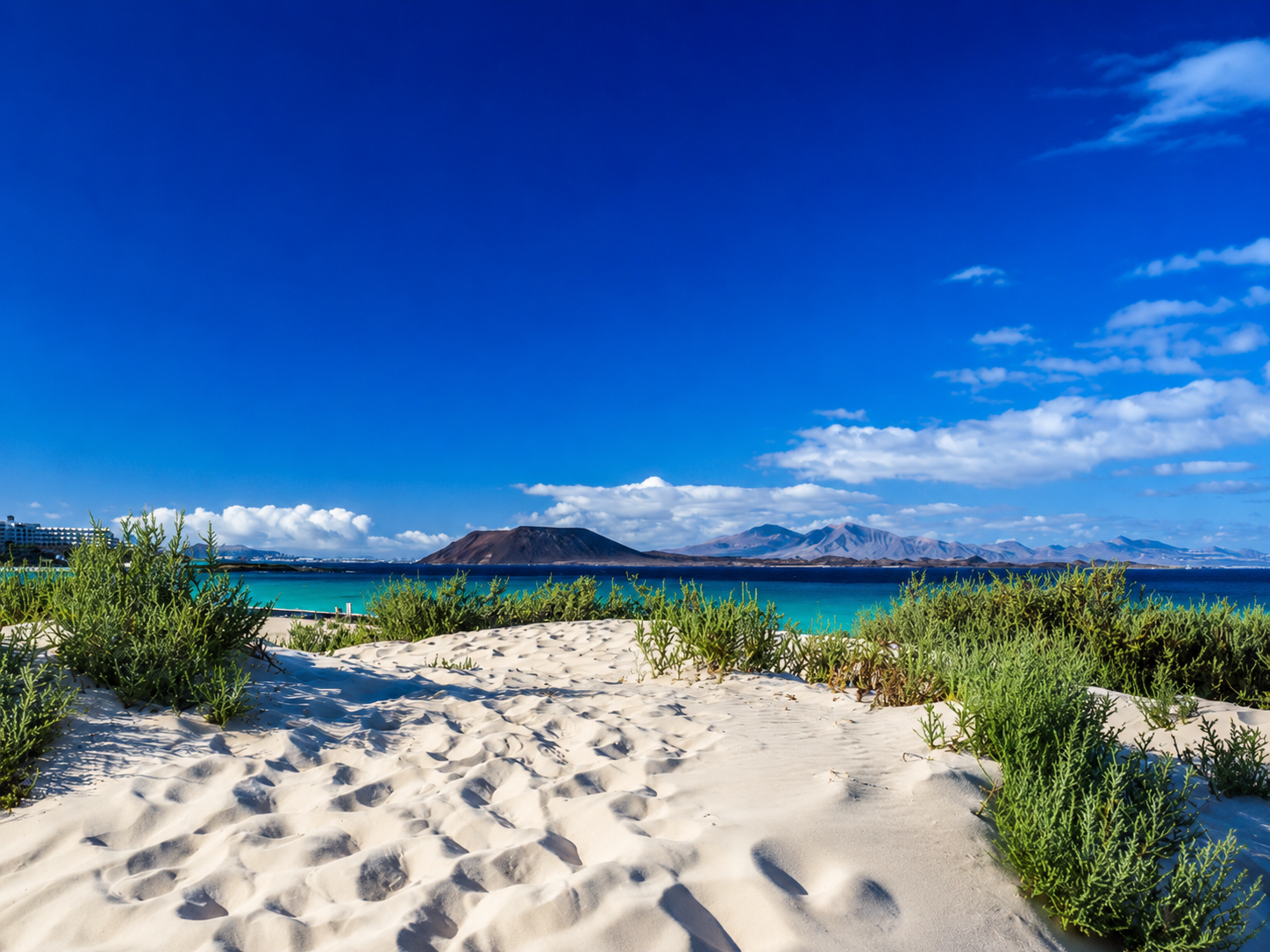
The beach that confuses first-timers. After days of black volcanic landscapes you round a bend and find white sand and shallow turquoise lagoons that look more Caribbean than Canarian. The white shell-sand built up between ancient lava flows over centuries, and the contrast of white sand against jet-black rock is spectacular. At low tide, calm natural pools form along the shore — ideal for families.
Local tip: right on the LZ-1, so it gets busy at weekends — come around sunrise for a pool to yourself and incredible light over the Chinijo Archipelago.
Playa del Risco
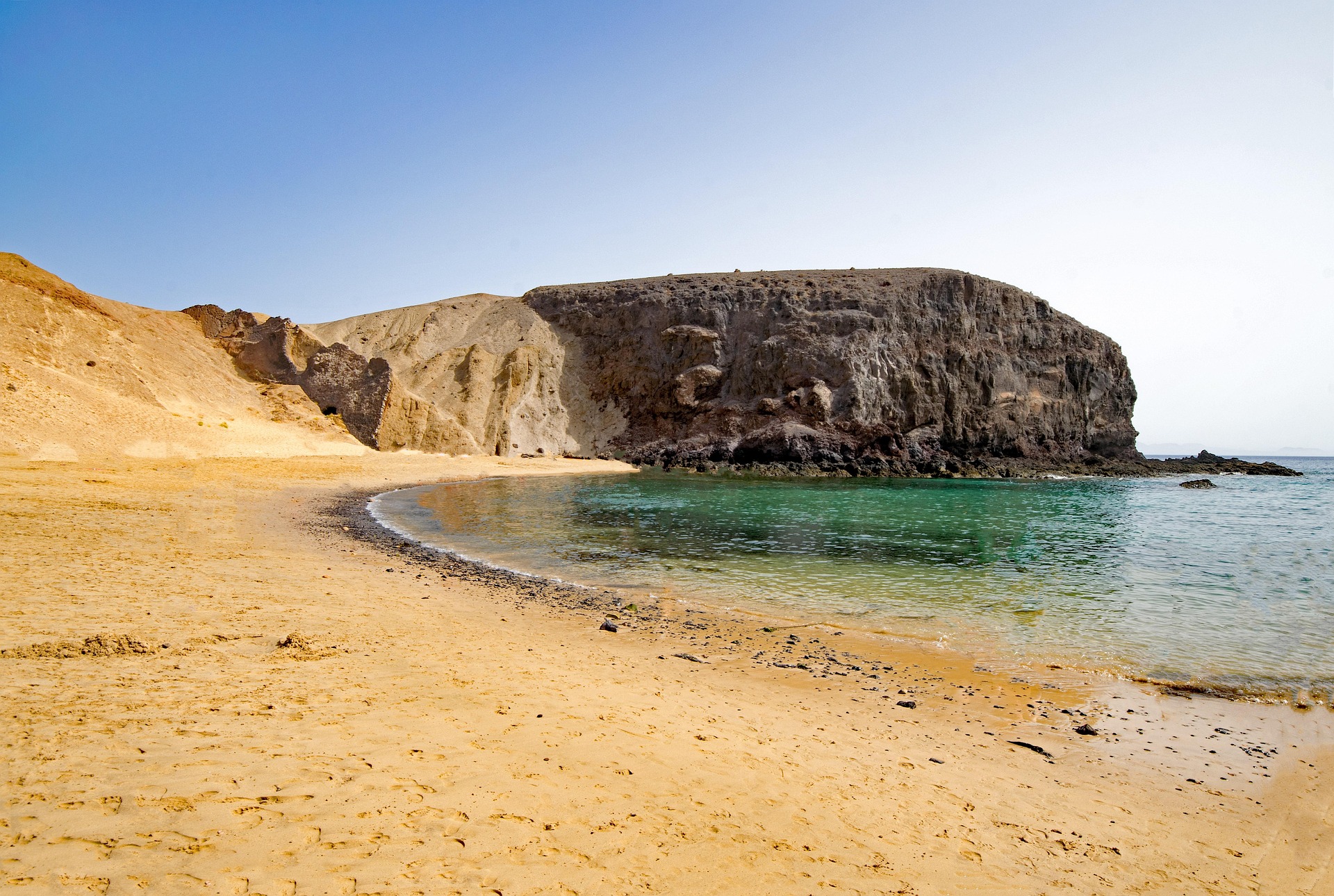
Most visitors never see it — which is exactly why it’s special. Tucked beneath the giant Famara escarpment, this is one of the most isolated beaches on Lanzarote: no road, no beach clubs, no sunbeds. To reach it you descend the old stone Camino de los Gracioseros, the path islanders once used between Lanzarote and La Graciosa. The reward: a vast golden strand facing the turquoise channel of El Río, with La Graciosa right across the water and the Salinas del Río beside you.
Worth knowing: bring plenty of water — the climb back up is far harder than the way down. Proper shoes, sun cover, and skip it on windy days.
Caleta del Mero
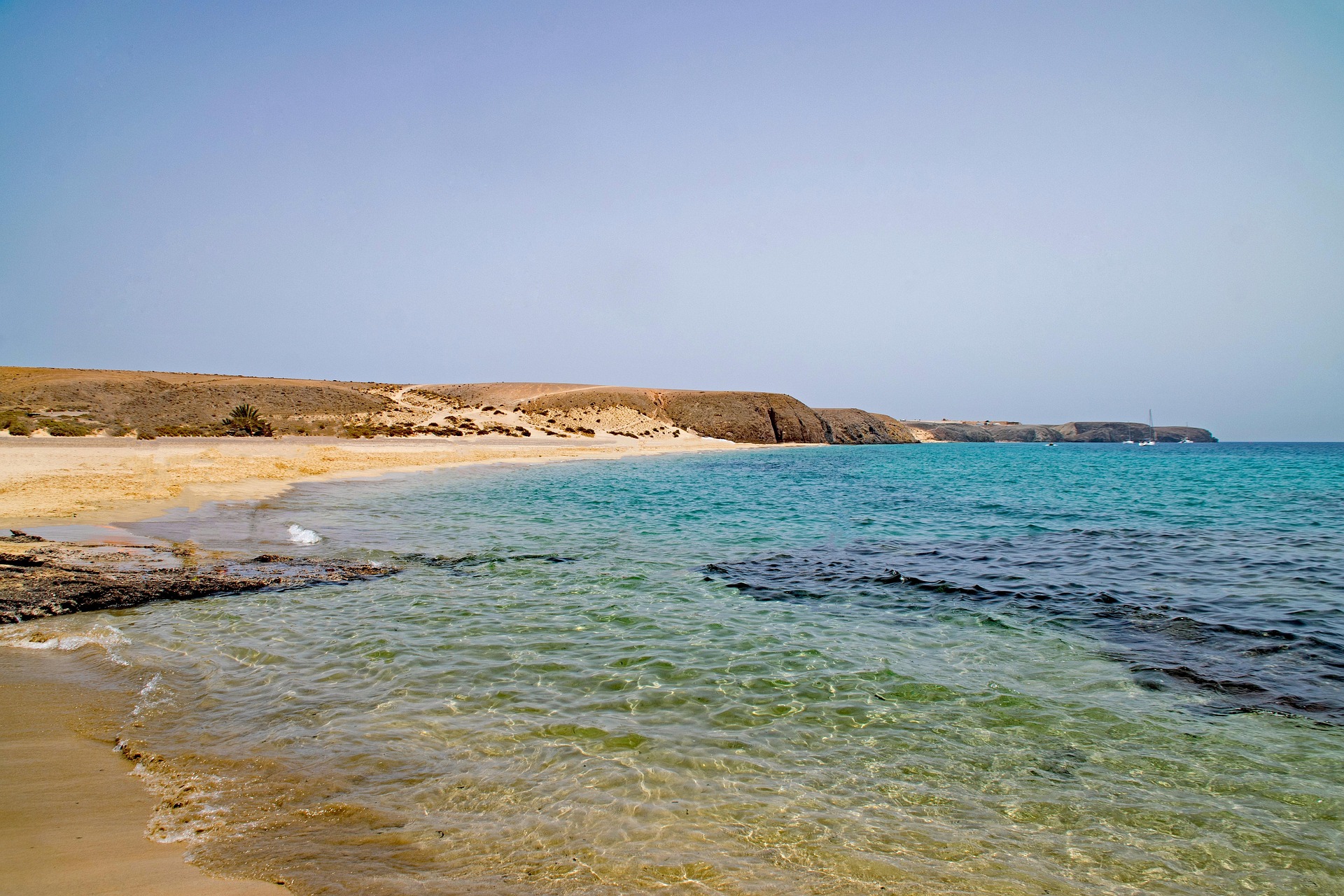
Raw and barely touristy — black lava meeting clear water, with almost nobody around. It feels like the end of the world in the best way: a quiet northern cove for snorkelling, sunbathing on the rocks and total calm. The anti-resort beach, and a local favourite for a peaceful morning swim.
Good to know: rocky entry rather than soft sand, so water shoes help and it’s best on calm days. Come for the peace and the snorkelling, not for a big sandy lounge.
Easy swimming around Playa Blanca
If a relaxed, reliable swim is the priority, the sheltered south is your friend.
Playa Dorada
The easiest beach on the island for a relaxed dip — golden sand, sheltered water, simple access and a central spot. The most consistently reliable beach in the south.
- Family friendly
- Calm water
- Easy parking
- Restaurants nearby
Playa Flamingo
Another family favourite: artificial breakwaters shelter the bay, creating a natural-pool effect in most conditions. Gentle entry, good facilities, popular with locals.
- Kids love it
- Gentle entry
- Good facilities
- Calm most days
Costa Teguise & watersports
A windier, more active coast — the heart of the island’s windsurf scene.
Playa de las Cucharas
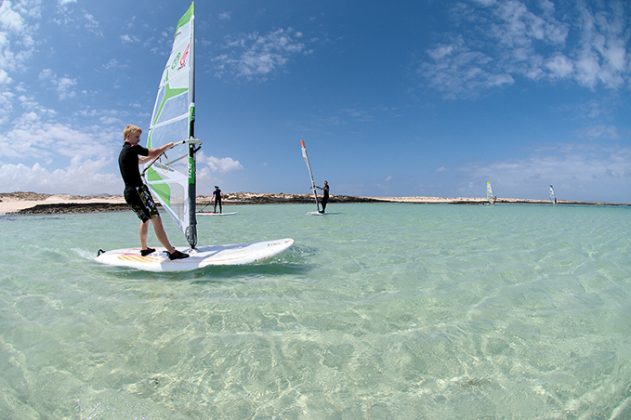
The centre of Lanzarote windsurfing. On windy days the bay fills with colourful sails — one of the island’s most recognisable scenes. If you’ve ever wanted to try windsurfing, this is the place to learn.
Playa del Jablillo
The quieter alternative next door: protected by volcanic reefs, so the water is calmer and clearer than its neighbours. Great for families and beginner snorkellers.
Book your water activities
Lanzarote is one of the best watersports islands in the Atlantic — steady wind, warm water and reefs right off the beach. Here’s where to book each one.
 ⛵
Windsurfing
Las Cucharas in Costa Teguise is the island’s windsurf HQ — rentals & courses.
Find windsurfing →
⛵
Windsurfing
Las Cucharas in Costa Teguise is the island’s windsurf HQ — rentals & courses.
Find windsurfing →
 🪁
Kitesurfing
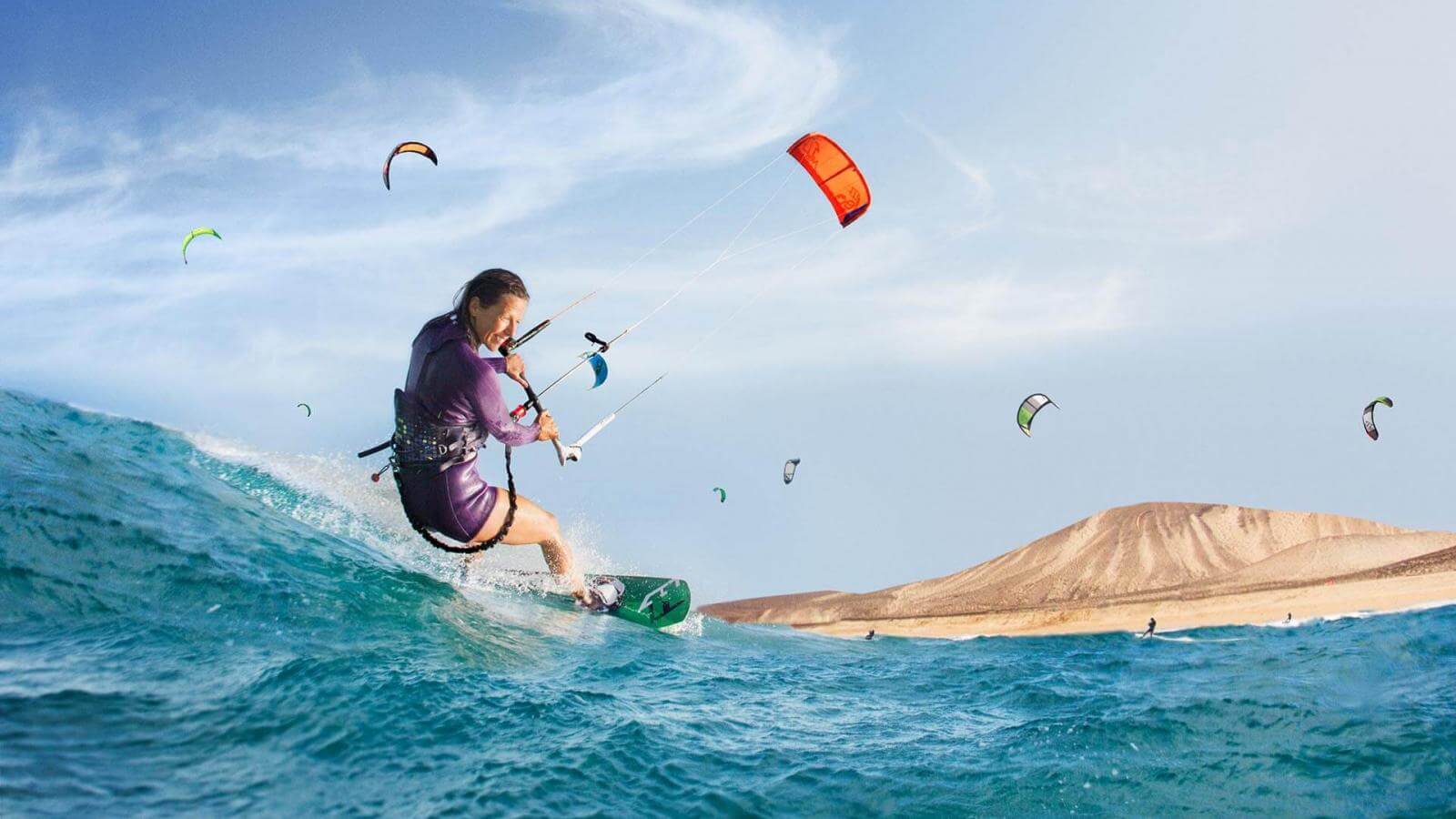
Reliable trade winds make Lanzarote a kite hotspot — lessons for beginners up.
Find kitesurfing →
🤿
Scuba diving
Volcanic reefs, caves and the Atlantic Museum — try-dives and certified trips.
Find diving →
🐠
Snorkelling tours
Guided snorkel trips to the clearest coves — gear and boat included.
Find snorkelling →
🛥️
Boat & catamaran trips
Sail to the Papagayo coves and La Graciosa — swim stops, paella & drinks aboard.
Find boat trips →
🐬
Dolphin & whale watching
The waters off Lanzarote are full of dolphins and whales — morning & sunset cruises.
Find cruises →
🌊
Jet ski & parasailing
Adrenaline off Puerto del Carmen and Puerto Calero — jet ski safaris & flights.
Find activities →
🪁
Kitesurfing
Reliable trade winds make Lanzarote a kite hotspot — lessons for beginners up.
Find kitesurfing →
🤿
Scuba diving
Volcanic reefs, caves and the Atlantic Museum — try-dives and certified trips.
Find diving →
🐠
Snorkelling tours
Guided snorkel trips to the clearest coves — gear and boat included.
Find snorkelling →
🛥️
Boat & catamaran trips
Sail to the Papagayo coves and La Graciosa — swim stops, paella & drinks aboard.
Find boat trips →
🐬
Dolphin & whale watching
The waters off Lanzarote are full of dolphins and whales — morning & sunset cruises.
Find cruises →
🌊
Jet ski & parasailing
Adrenaline off Puerto del Carmen and Puerto Calero — jet ski safaris & flights.
Find activities →
Need wheels to reach the surf in the north, or a base near the water?
Best beaches by traveller type
👨👩👧 Families
- Playa Dorada
- Playa Flamingo
- Caletón Blanco
- Playa del Jablillo
🤿 Snorkelling
- Playa Chica
- Papagayo
- Caleta del Mero
🏄 Surfing
- Famara
- La Santa
- Las Cucharas
🌅 Sunsets
- Famara
- Playa del Risco
- Janubio
Beautiful to admire, not to swim
Some of the island’s greatest coastal sights aren’t really beaches at all — they’re for the scenery, the geology and the sheer power of the Atlantic.
Playa de Janubio
Big, dramatic and completely different from the postcard coves — a long sweep of jet-black volcanic sand beside the historic Janubio salt pans. It’s raw cinema, especially at sunset when the salinas glow pink and white, and it pairs perfectly with Los Hervideros and El Golfo on a west-coast drive.
Catch: strong currents and waves mean it’s not a swimming beach most days — come for the walk, the black sand underfoot and the photographs, not a dip.
Los Hervideros
No beach here — instead, one of the most dramatic volcanic coastlines in the Canaries. Centuries of Atlantic erosion have carved tunnels, caves and blowholes into the lava; on a big swell the sea explodes up through the black rock with thunderous echoes. Walkways let you stand right above it. Best at sunset.
El Golfo
One of the most photographed spots on the island. The black volcanic beach is striking, but the star is the green lagoon (Charco de los Clicos) sitting inside a half-eaten crater. Emerald water, black sand, deep-blue Atlantic — an iconic, unreal-looking landscape. Come for the view, and great fresh fish in the village.
Playa de la Cantería
Wild, exposed and unforgettable — the raw Atlantic face of Lanzarote near Órzola, beneath the Risco. Big waves pound the shore and conditions are usually unsafe for swimming, but as a place to feel the ocean’s power it’s extraordinary. Black sand, huge surf, almost no one.
The biggest mistake visitors make
They stay on one beach all week. Lanzarote rewards movement. Spend a morning at Papagayo, watch the sunset at Famara, snorkel at Playa Chica, explore Caletón Blanco, hike down to Playa del Risco — and by the end of the week it’ll feel like you visited several islands, not one. The greatest beaches here aren’t always the most famous.
🌊 Beach-smart on Lanzarote
- Read the coast before you swim. The sheltered south coves (Papagayo, Mujeres, Dorada) are calm; north and west beaches face the open Atlantic with real currents. In doubt, stay shallow.
- Wind is the local wildcard. A beach that’s idyllic at 9am can be a sandstorm by afternoon — Famara especially. Check the forecast and go early.
- The best ones have nothing. No shops, no shade, sometimes no lifeguard. Carry water, sun cover and everything you need — and take all rubbish home.
- Dirt roads & the €3. The Papagayo coves sit behind an unpaved road with a small “road maintenance” contribution. Drive slowly; a normal car is fine if you take it easy.
- Respect the protected coast. Much of this shoreline is protected — stick to tracks, never drive on the sand, leave the lava and dunes as you found them.
Plan your beach days
The best beaches are spread right across the island — a car and the right base make all the difference.
Some links above are affiliate links. If you book through them it costs you nothing extra and helps keep Coastal Canary Life running. Always check local flags, signs and the day’s forecast before entering the ocean.
Salt on your skin, volcanoes on the horizon ✦