Coastal Canary Life
Hiking & Nature in Lanzarote
You can walk into a volcano here. Across lava seas, along 600 m cliffs, down to the wildest beaches on the island — and most of it is free.
Here’s what nobody tells you before they come: Lanzarote is one of the best walking islands in the Canaries — precisely because it doesn’t look like it should be. There are no forests, barely any green, almost no shade. What there is is otherworldly: trails that cross frozen seas of lava from the 1730s eruptions, a crater you can walk right inside, a 23 km cliff-ridge with the whole Chinijo archipelago laid out below, and an oasis of a thousand palms in the green north.
This is the honest, practical rundown — real distances, real difficulty, what the ground is actually like underfoot, and the gear that makes or breaks a Lanzarote hike. Because the island’s beauty comes with two non-negotiables: sun and wind.
🎒 What to bring (Lanzarote is different)
This isn’t alpine hiking — it’s desert-volcanic hiking, and it has its own rules. Get these right and every trail is a joy.
Proper closed shoes — non-negotiable
Every trail here is sharp lava rock, loose gravel and black grit. Trainers slip and get shredded; sandals are out. Grippy hiking shoes or boots, always — the gravelly descents (Caldera Blanca!) are where people fall.
More water than feels sane
Carry 1.5–2 litres each, minimum. There is no shade and no refreshment on any of these trails, and no fountains. The dry heat sneaks up on you.
A windproof layer
The big surprise. On the crater rims and cliffs the trade winds howl — it can be calm at the car and fierce at the top. A light windbreaker changes everything.
Sun armour
Hat, sunglasses, high-factor sun cream. The black ground radiates heat back up at you and there’s nowhere to hide from the sun. Reapply.
Offline map
Phone signal drops in the lava fields. Download the route (AllTrails / Komoot) offline, and start with enough daylight — there are no lights and no easy shortcuts back.
An early start
Set off at sunrise in summer. By midday the exposed trails are brutal, and the light’s better for photos early anyway. Tell someone your plan.
The trails worth doing
Ranked roughly from “do this first” to “for the keen”. Every one is free unless noted.
Caldera Blanca
📍 Los Volcanes Natural Park · trailhead at Mancha Blanca (Camino del Cráter car park)
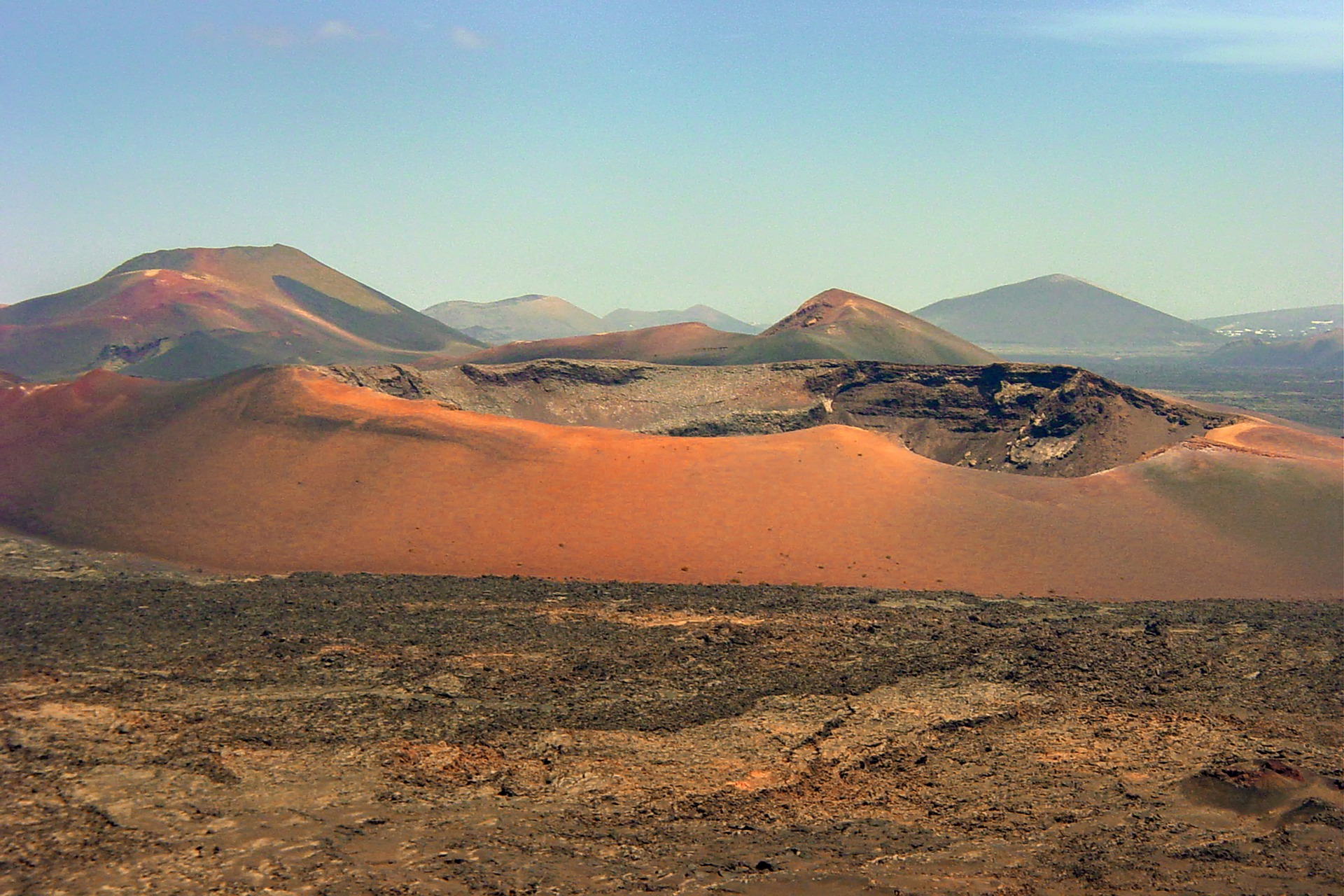
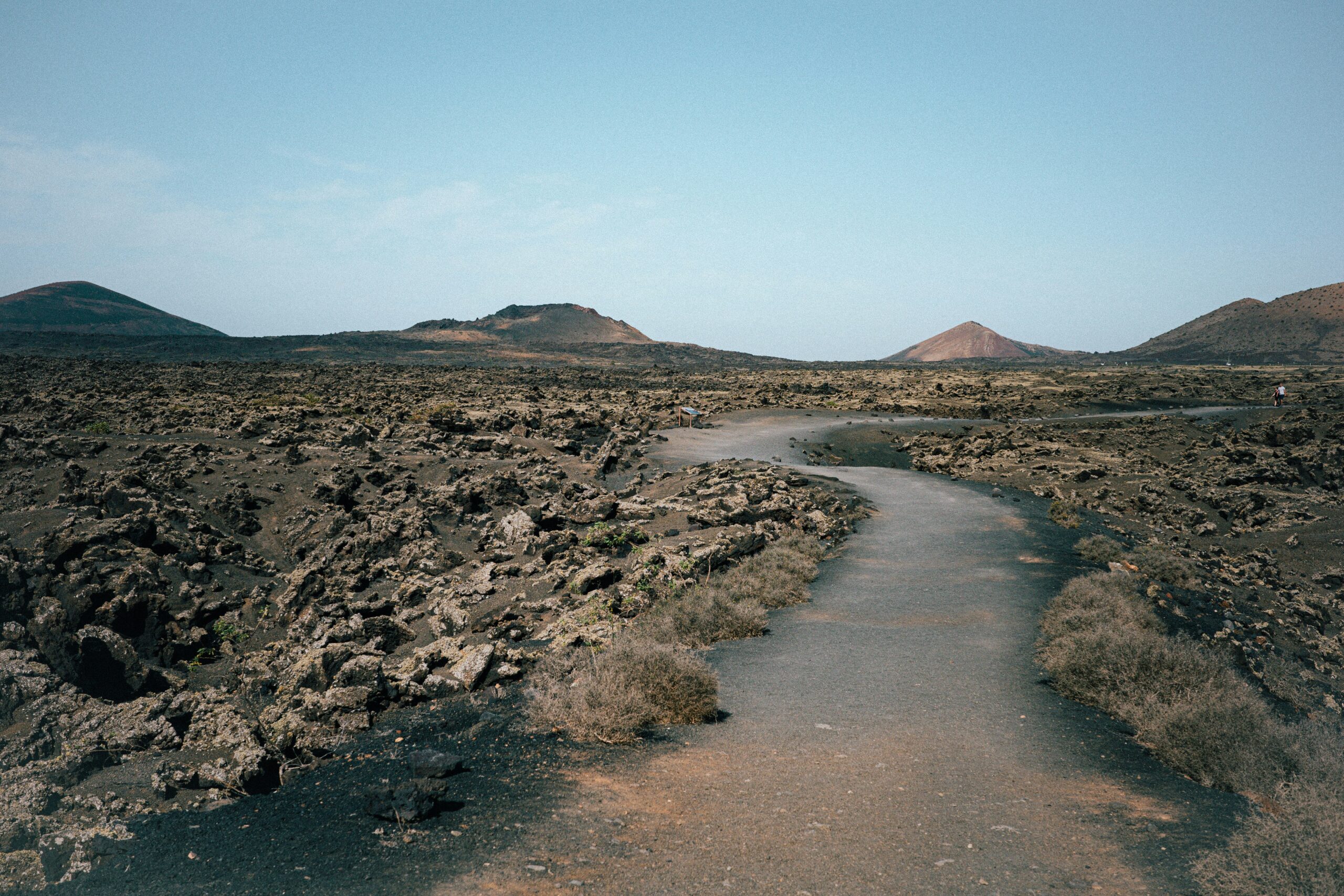
The island’s best hike, full stop — and the one to do if you only do one. You cross a genuine sea of lava from the 1730–36 eruptions, pass the smaller Caldereta crater, then climb the flank of Lanzarote’s largest crater (1.2 km across, ~458 m). From the rim: Timanfaya’s fire mountains on one side, lava fields running to the Atlantic on the other, and the whole Chinijo archipelago on a clear day. Pure Mordor, and no tour bus needed.
Volcán del Cuervo (Caldera de los Cuervos)
📍 Los Volcanes Natural Park · car park on the LZ-56 near Mancha Blanca / Tinajo
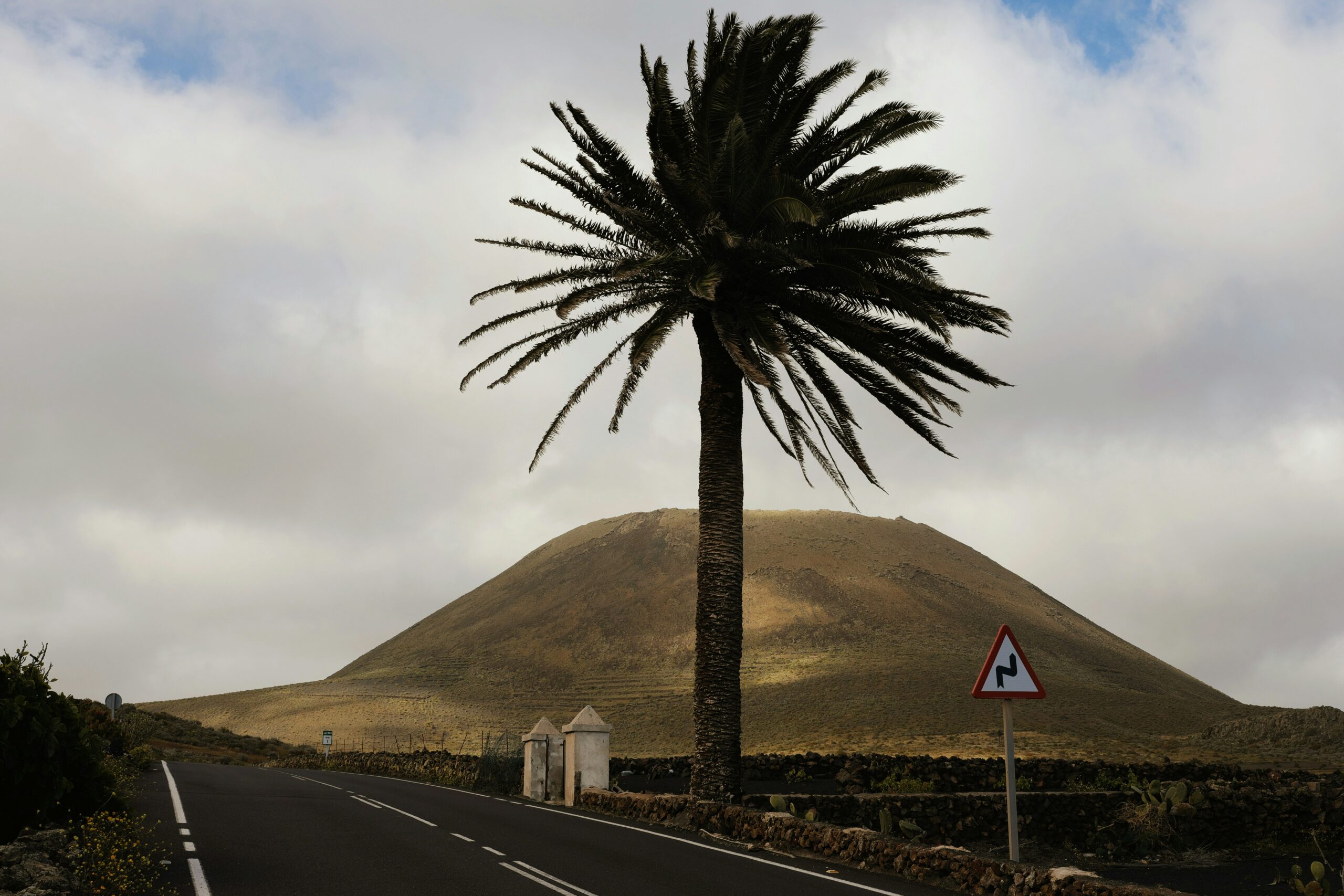
The magic one for families and first-timers: the only crater on Lanzarote you can walk right inside. A flat, easy loop circles the cone, then a short path leads through a breach into the hollow heart of the volcano — red-and-black walls towering around you. It was the very first cone to erupt in 1730, the spark of the whole Timanfaya transformation. Genuinely awe-inspiring for so little effort.
Camino de los Gracioseros & the Famara cliffs
📍 North · from Yé / Guinate down to Órzola, above the 600 m Risco de Famara
The most spectacular walk on the island, and a real piece of history — the old cobbled path the people of La Graciosa once used to reach Lanzarote on foot. It zig-zags down the giant Famara cliffs (Risco de Famara, up to ~600 m) with the whole Chinijo archipelago — La Graciosa, Montaña Clara, Alegranza — spread out below you. Endemic plants, soaring birds, and a sense of standing at the edge of the world.
Los Ajaches & the Papagayo coves
📍 South · from Playa Blanca or Femés (€3 road contribution to the Papagayo coves)
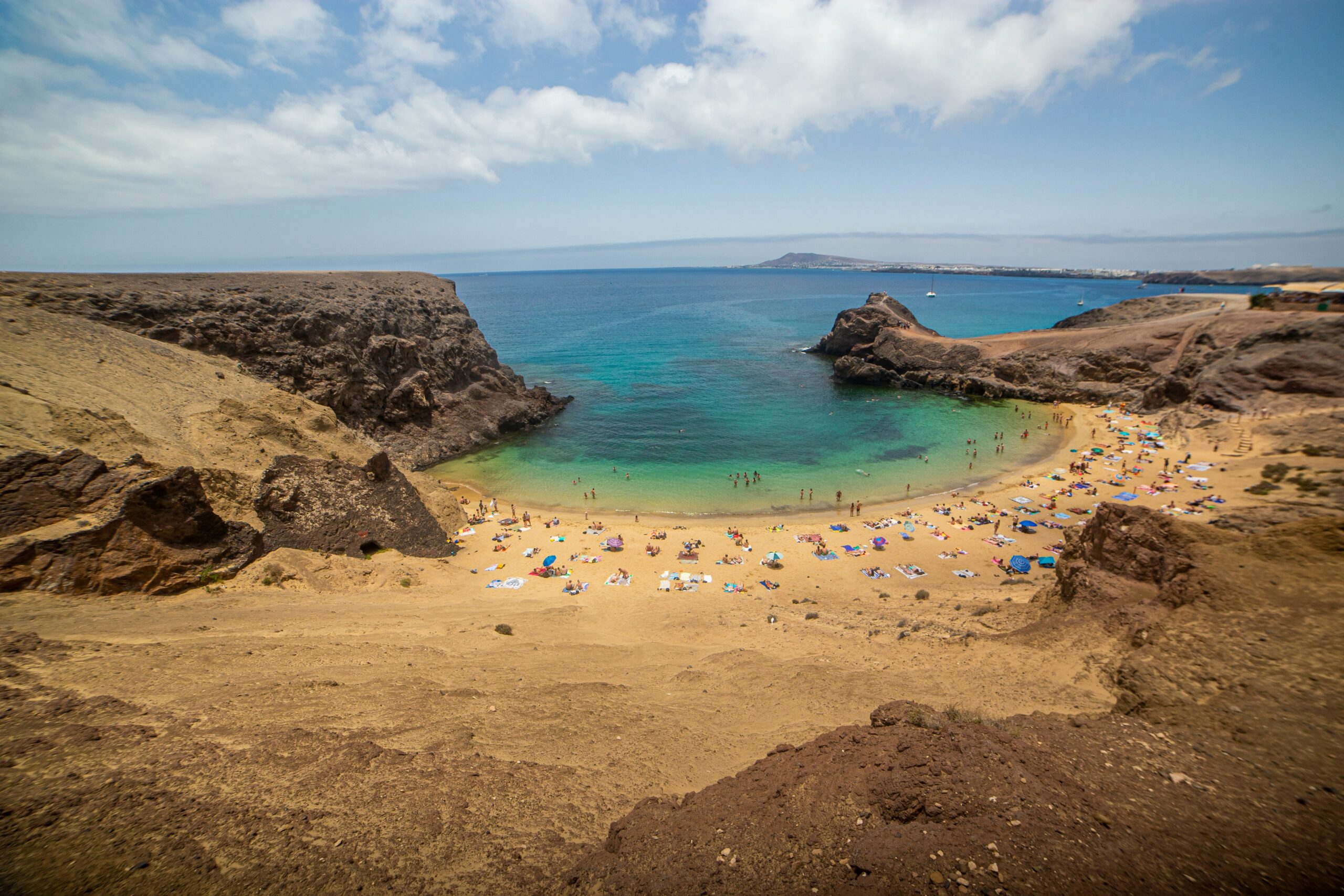
The island’s oldest land — a 14-million-year-old massif of ravines, semi-desert and hidden coves, now a protected Natural Monument. A web of trails winds between craters and the coast, linking the famous Papagayo beaches with quieter gems like Caleta del Congrio and Playa de la Arena. Climb Pico Redondo for views across to Fuerteventura, then cool off in a turquoise cove. Desert-meets-sea, movie-set wild.
Haría & Mirador El Bosquecillo
📍 North · circular from Haría, the “Valley of a Thousand Palms”
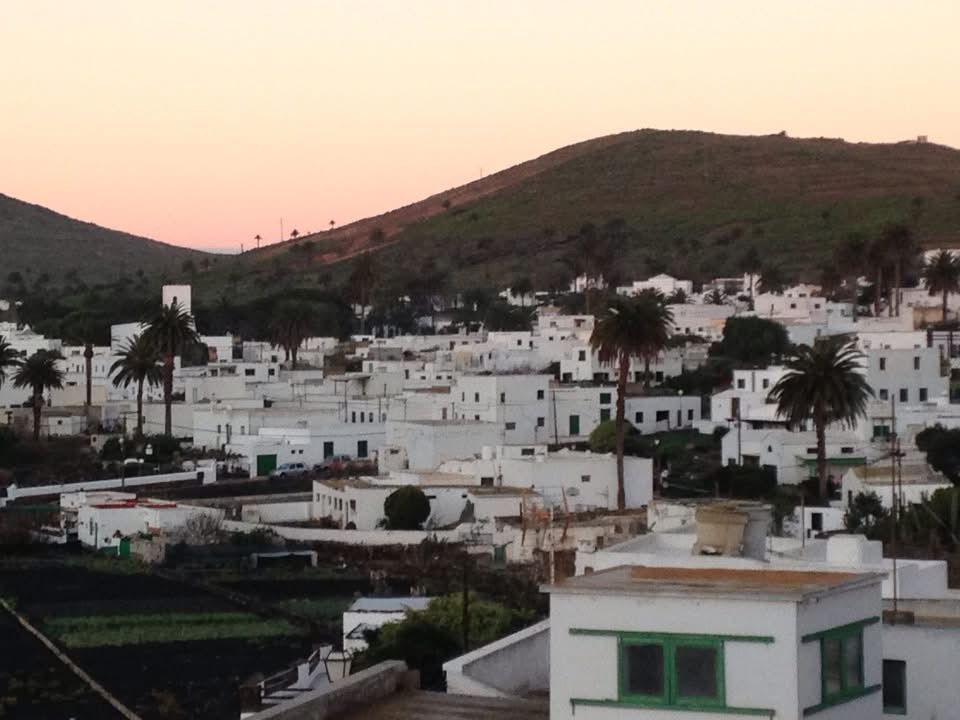
The gentle, green antidote to all that lava. Haría sits in a lush valley of palm trees — the prettiest village on the island, and where Manrique chose to live. This circuit climbs from the village to the El Bosquecillo viewpoint and along the ridge, with coastal panoramas, pines (actual trees!), and a totally different, softer Lanzarote. Lovely lunch in Haría after.
Ruta Tremesana — inside Timanfaya on foot
📍 Timanfaya National Park · meeting point Yaiza · official guide only
The only way to actually walk in Timanfaya itself (the famous bus route doesn’t let you off). This free, ranger-guided 3 km route takes you past lava walls, hornitos and volcanic detail you can’t see any other way, with an expert explaining the 1730s cataclysm. A quiet privilege — numbers are tiny on purpose.
The GR131 — walk the whole island
If you want to really know Lanzarote on foot, the GR131 long-distance trail runs the length of it — roughly from Órzola in the north to Playa Blanca in the south, usually split over several days. It climbs the Risco de Famara to Mirador del Río, skirts Timanfaya and the Los Ajaches range, threads through the historic towns of Teguise and Yaíza, and crosses the green valleys of the north. It’s the same waymarked GR131 network that crosses several Canary Islands — and the best way to understand how wildly the island changes from end to end.
Do it self-guided with a luggage-transfer company, or pick off the best single stages (the Famara ridge is the showstopper) as day walks.
More wild corners
Montaña Corona & the north volcanoes
The volcano whose eruption created the Jameos and Cueva de los Verdes lava tubes. Quiet trails on its flanks, traditional vineyards, and far fewer people than the headline craters.
Montaña Negra & Caldera Colorada
A steeper climb (~509 m) to an older, black-pyroclast cone with direct views over the red Montaña Colorada. Raw, lesser-walked, brilliant geology.
La Graciosa on foot
Ferry from Órzola, then walk the sand tracks of the eighth island — Caleta de Sebo to Playa Francesa and the yellow rocks of Playa Amarilla. No cars, no crowds, pure escape.
Chinijo & the birds
The cliffs and islets off the north form the Chinijo Archipelago marine reserve — Europe’s largest — and a haven for seabirds and ospreys. The Famara walks are your front-row seat.
⚠️ Walk smart on Lanzarote
- Wind first, summit second. Check the forecast — on Caldera Blanca and the Famara cliffs, strong gusts turn a great hike risky. When it’s blowing hard, pick a low, sheltered route.
- The gravel is the danger, not the height. Most “incidents” are slips on loose volcanic scree, especially descending. Slow down, grippy shoes, hike the steep bits uphill.
- No shade, no water, no toilets. Treat every trail as fully self-sufficient. Sun cover and 1.5–2 L of water per person, every time.
- Stick to the path. The lava fields and craters are protected and fragile — and it’s genuinely easy to get lost or twist an ankle off-trail. Leave no trace, take nothing.
- Respect the park rules. Timanfaya’s core is guided-only; dogs are restricted in protected areas. Always check before you go.
Plan your hiking trip
Trailheads are scattered across the island — here’s what makes the nature side work.
Some links above are affiliate links. If you book through them it costs you nothing extra and helps keep Coastal Canary Life running. Trail conditions, park rules and wind change fast — always check official sources (reservasparquesnacionales.es for Timanfaya) and carry a proper offline map before you set out.
Good shoes, full bottle, early start ✦