Coastal Canary Life
Fuerteventura
Endless golden beaches, Saharan dunes and the best wind in the Atlantic.
Everything Fuerteventura in one place. Where to stay, the experiences worth booking, the best beaches and the island’s local side — your starting point for the whole island, from someone who lives in the Canaries.
Fuerteventura is the Canaries at their wildest and most laid-back: the oldest island in the archipelago, shaped by wind and time into golden dunes, endless white-sand beaches and wide-open desert skies. It’s the windsurf and kitesurf capital of the islands, home to remote stunners like Cofete, and still far quieter and more spacious than its neighbours. If you come for one thing, it’s the beaches — but you’ll leave talking about the light, the space and the slow, easy pace of life.
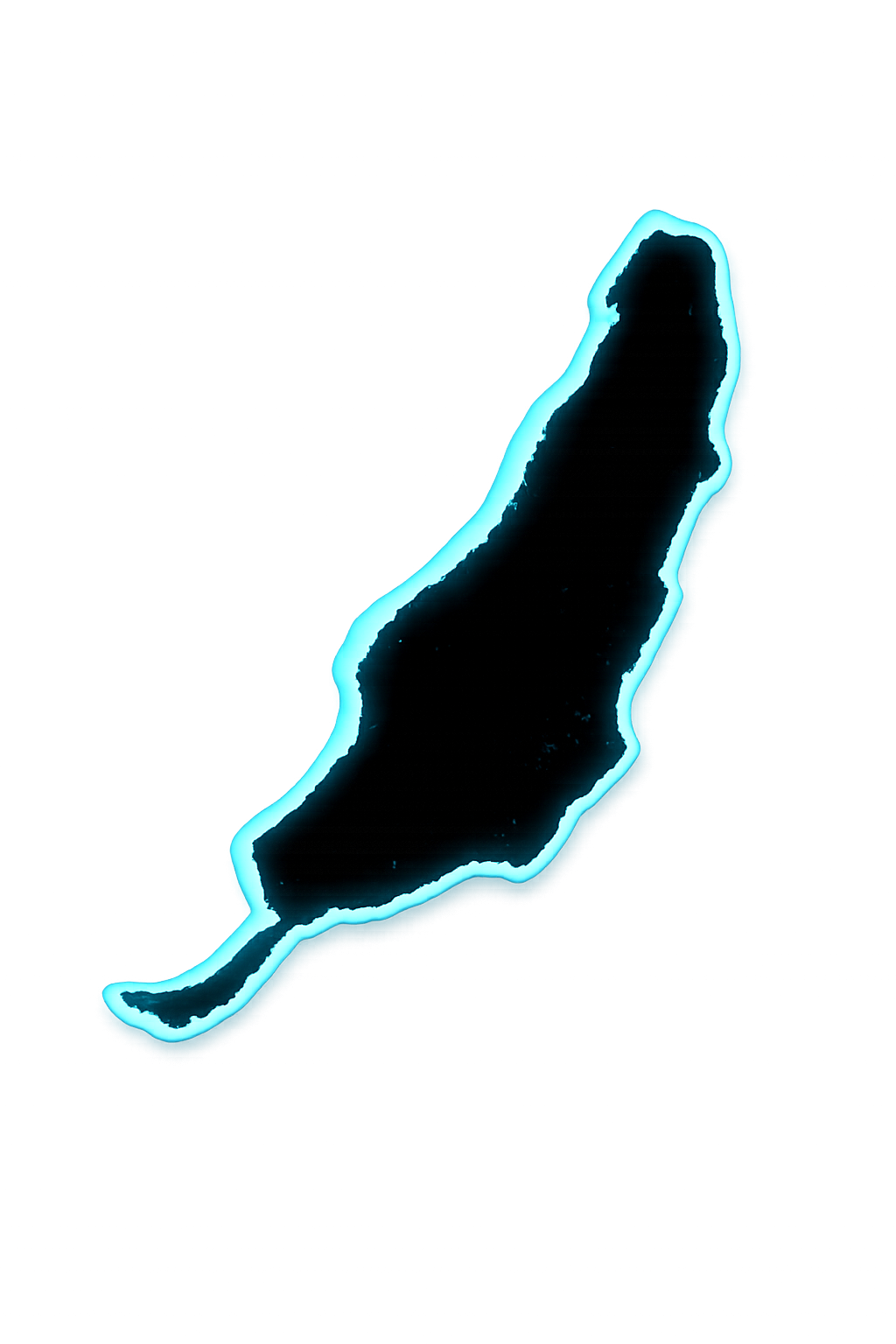
The island is long and thin, stretching roughly 100 kilometres north to south, with over 300 kilometres of coastline and more than 150 beaches — more sand than any other Canary Island. The east coast is calmer and family-friendly; the west is wilder, windswept and dramatic; and the interior is open, empty volcanic plain dotted with goats and sleepy villages. Wherever you base yourself, you’re never far from an extraordinary stretch of coast. Pick a starting point below.
Start here
Why visit Fuerteventura?
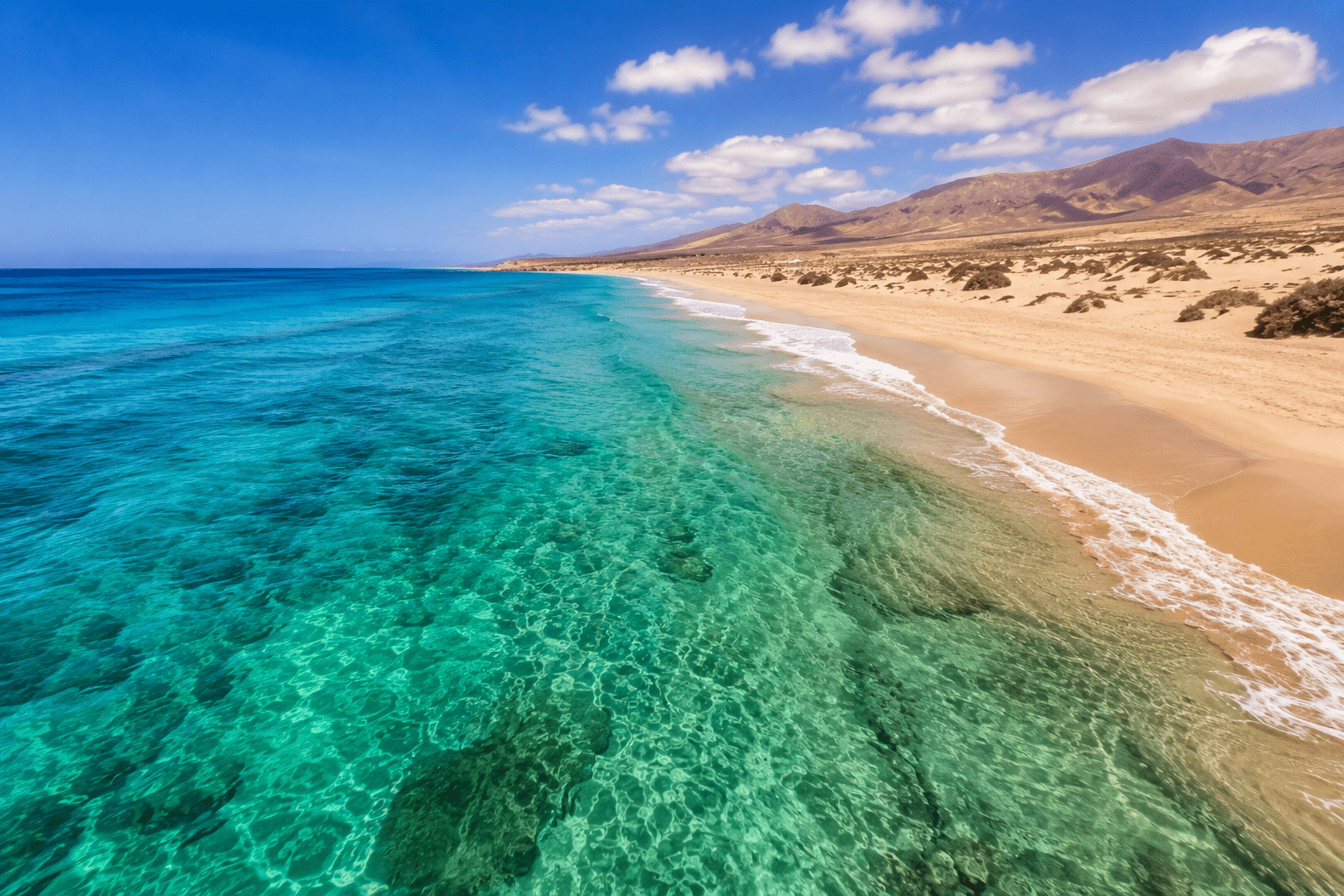
The first answer is always the beaches. Fuerteventura has the finest sand in the Canaries — long, pale, often empty stretches like the famous Sotavento lagoon in the south and the wild, cliff-backed Cofete in the far southwest, one of the most dramatic beaches in Europe. Add reliable warmth almost all year and water that glows turquoise in the shallows, and it’s a beach-lover’s dream.
Then there’s the wind. The same Atlantic breezes that shaped the island make it one of the world’s great windsurf and kitesurf destinations — Sotavento hosts world championship events — while the seas around it are superb for diving and spotting dolphins. On land, the Corralejo dunes roll for kilometres like a slice of the Sahara, and the empty interior hides volcanic cones, the historic old capital of Betancuria, and goat farms producing the island’s prized majorero cheese.
And above all, there’s the calm. Fuerteventura is the second-largest Canary Island but one of the least crowded, with space to breathe and a genuinely slow pace. It’s where you come to switch off.
How Fuerteventura was born
Fuerteventura is the oldest of the Canary Islands — it first rose from the Atlantic around 20 million years ago, born from volcanic eruptions on the ocean floor. Because it’s had so long to weather, its once-towering volcanoes have been worn down by twenty million years of wind and rain into the smooth, low, rolling profile you see today — softer and flatter than the jagged peaks of younger islands like Tenerife or La Palma.
That great age is also why the island feels like a desert. Lying just ~100 km off the coast of Africa, it catches the same dry Saharan winds, and the eroded volcanic soil and low rainfall give it that wide, arid, golden landscape. The dunes, the fossil beaches and the bare volcanic plains are all chapters of a very long geological story — one you can read straight off the land as you drive across it.
Good to know before you go
How many days do you need?
A week is ideal — enough to enjoy several beaches, take a boat trip to Isla de Lobos, see the dunes and explore the wild south without rushing. Four or five days works if you base in one area. With longer, you can slow right down, which is what the island does best.
When is the best time to visit?
Any time, honestly. Fuerteventura is warm and sunny year-round, making it a superb winter-sun escape. It’s nearly always breezy — great for windsurfers, worth knowing if you want pure stillness on the beach. Spring and autumn are the sweet spot for warmth without the peak crowds.
Do you need a car?
To make the most of it, yes. The best beaches — Cofete especially — are well off the main routes, and the island is big and spread out. A rental car turns Fuerteventura from a resort holiday into a proper adventure.
Is it good for families?
Very. The east-coast resorts (Caleta de Fuste, Corralejo) have calm, shallow beaches ideal for young kids, plenty of family hotels and easy boat trips. The reliable sunshine makes it an easy choice with children.
Go deeper
Full Fuerteventura itineraries — coming soon
We’re putting together complete downloadable guides: ready-made day-by-day plans from 3 to 15 days, with the best route, where to sleep each night, the beaches, dunes and viewpoints in order, GPS points and offline maps. Coming soon — they’re on the way.
Coming soonThe guides linked here may contain affiliate links: if you book or buy through them it costs you nothing extra and helps keep Coastal Canary Life independent. I only recommend things I’d genuinely use myself. Opening hours, permits and prices change — always check official sources before you go.