Coastal Canary Life
The Island Has Everything
They call Gran Canaria a continent in miniature. Spend a week here and you’ll understand why it’s not just a slogan.
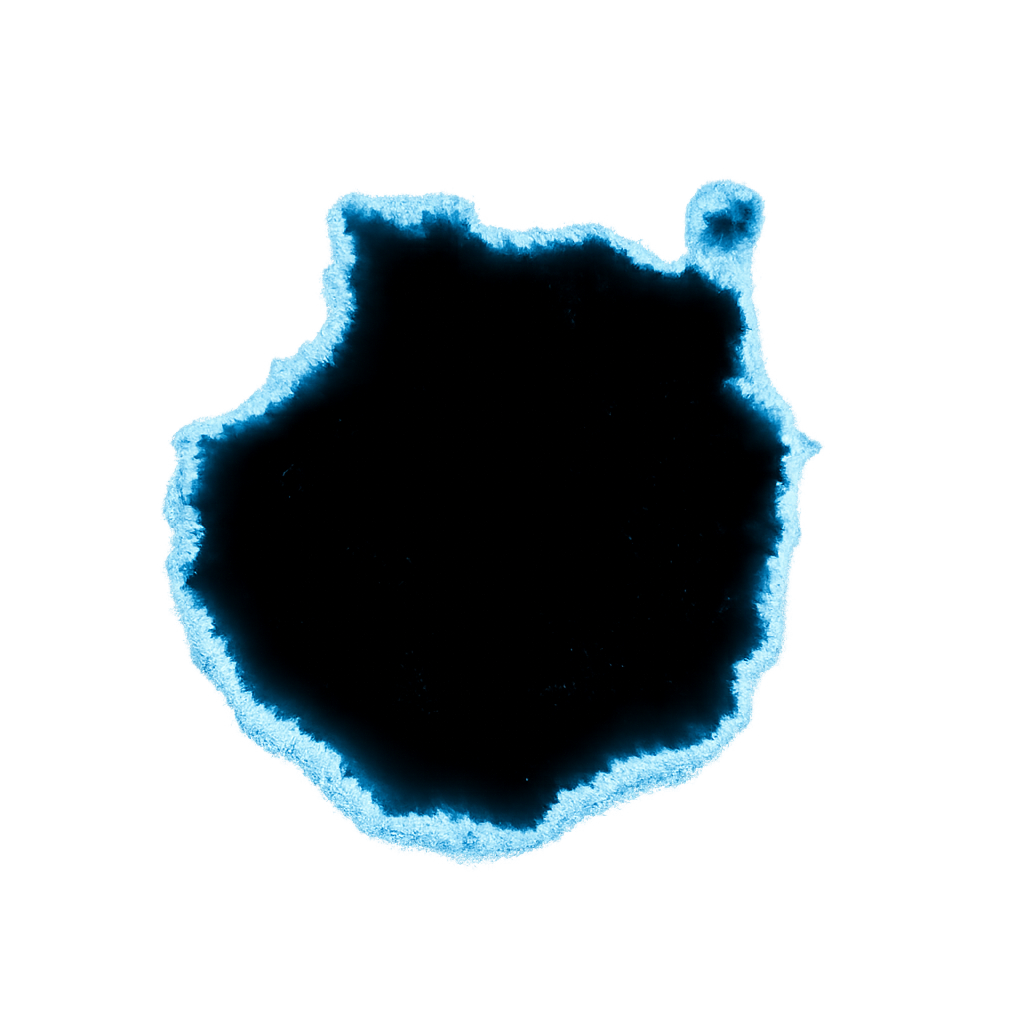
Most islands give you one thing and do it well — a beach, a volcano, a city. Gran Canaria refuses to choose. In a single day you can wake up on golden dunes, drive up into pine forest and cloud, stand on a 1,800-metre rock that the first islanders held sacred, and be back on the coast for a swim before sunset. It’s barely 50 kilometres across, and yet it holds more landscapes than countries ten times its size.
That’s the real reason people fall for it — and keep coming back. Here’s what makes this island a world of its own.
A desert that meets the sea
The first thing most people see is the Maspalomas dunes — a vast sweep of golden sand rolling right down to the Atlantic, protected as a nature reserve. Walk into them and the resorts vanish behind you; for a few minutes it genuinely feels like the Sahara has drifted across the water and washed up on a European beach. There’s nothing else quite like it in the islands.
Around the dunes, the south delivers what it’s famous for: calm beaches, almost guaranteed sunshine, and warm water year-round. This is the corner of the island that turns grey northern winters into something worth booking a flight for.
An island that climbs to the clouds
Drive inland and Gran Canaria transforms. The land folds upward into deep ravines and pine forest, climbing all the way to Pico de las Nieves at 1,949 metres — high enough that, on a clear day, you look across a sea of cloud to the peak of Teide floating on the horizon in Tenerife.
At the heart of it stands Roque Nublo, an 1,813-metre volcanic monolith with a finger of basalt pointing at the sky. The island’s first inhabitants treated it as a sacred place, and standing beneath it you can see why. The whole interior is volcanic drama — the bones of an ancient stratovolcano, carved by fifteen million years of erosion into the shape you see today.
Forests, ravines and a real city
The north catches the trade winds, and it shows: this side is greener, cooler and far more local. Canary pine forests — a species found nowhere else on Earth — cloak the slopes of parks like Tamadaba, and the ravines run with proper vegetation rather than dust.
It’s also home to Las Palmas, the island’s lively capital and one of the few Canary towns that feels like a real working city. It has a historic quarter (Vegueta), a buzzing food scene, and in Las Canteras one of the finest city beaches anywhere in Europe — a long golden arc protected by a natural reef, right at the end of the high street.
Gran Canaria in numbers
Why “continent in miniature” actually fits
It’s an easy phrase to throw around, but here it’s earned. Because of its near-circular shape and that high central massif, the trade winds hit one side and dry out before they reach the other — so the lush green north and the sun-baked south exist on the same small island, separated by a single mountain range. Climb through it and you pass from coastal scrub to pine forest to almost-alpine summit in under an hour.
That’s the magic of Gran Canaria. You don’t pick between the beach holiday and the mountain adventure and the city break. You get all three, in one week, on one island — and you leave already planning the next trip.
Ready to explore it?
Start planning your Gran Canaria
From the dunes to the peaks — sort the trip that lets you see all of it.
Written from real experience and local knowledge. Opening hours, permits and prices change — always check official sources before you go.